East Coast Shoreline Sinking Crisis Takes Center Stage in Infrastructure Emergency Meeting
PUBLISHED Oct 5, 2026, 1:47 AM ET
Read, Watch or Listen

Federal, state, and municipal leaders convened an emergency infrastructure summit following alarming scientific findings and severe coastal flooding from a recent nor'easter that underscored rapid land subsidence along the U.S. East Coast. The discussions focused heavily on protecting critical assets, including transportation networks, water treatment facilities, and evacuation routes stretching from New York down to the Carolinas. Experts emphasized that ground sinking combined with accelerating sea level rise is creating compounding vulnerabilities that require immediate federal intervention, resilient engineering, and substantial long-term funding commitments to prevent catastrophic structural and economic failures across major metropolitan areas.
By Neha R. | JQJO News
Timeline of Events
- On January 2, 2024, Virginia Tech researchers published landmark findings detailing accelerating subsidence along the U.S. Atlantic coast.
- On February 20, 2024, NASA Earth Observatory highlighted how sinking land amplifies global sea level rise for vulnerable coastal communities.
- On September 18, 2024, engineering experts warned of escalating risks to critical infrastructure assets and evacuation corridors.
- On September 28, 2026, a prolonged nor'easter struck the mid-Atlantic and Northeast, triggering severe coastal flooding across multiple states.
- On September 29, 2026, Climate Central released attribution data showing climate change worsened storm surge impacts throughout the region.
- On October 1, 2026, municipal planners reported widespread drainage failures and structural strain following high-tide flooding events.
- On October 2, 2026, federal transportation and emergency management agencies announced an urgent bipartisan infrastructure summit.
- On October 3, 2026, state governors from New York to South Carolina submitted preliminary damage assessments and adaptation funding requests.
- On October 4, 2026, emergency infrastructure meetings commenced with urban planners, geologists, and civil engineers in Washington, D.C.
- On October 5, 2026, policymakers drafted joint proposals for federal grants aimed at reinforcing vulnerable coastal foundations and transit systems.
News Intelligence
- Immediate US impact: Federal officials and state leaders convene emergency sessions to allocate immediate funds for vulnerable coastal transport and drainage infrastructure.
- Possible long-term US impact: Accelerated coastal hardening, zoning revisions, and potential managed retreat strategies for low-lying urban sectors along the Atlantic seaboard.
- Most affected groups: Coastal residents, municipal engineers, urban planners, transportation workers, and emergency management agencies.
- Reader Prioritization: Prioritise updates from the Federal Emergency Management Agency (FEMA), municipal engineering reports, and official state infrastructural guidelines.
Coverage of Story:
From Center
Associated Press News Hub
Associated Press Reuters New York Times Washington Post Wall Street Journal Bloomberg USA Today Los Angeles Times Politico The Hill Axios BBC News NPR NBC News CBS News ABC News Newsweek Time Forbes CNBC Christian Science Monitor PBS NewsHour Al Jazeera Financial Times Scientific American National Geographic Reuters Analysis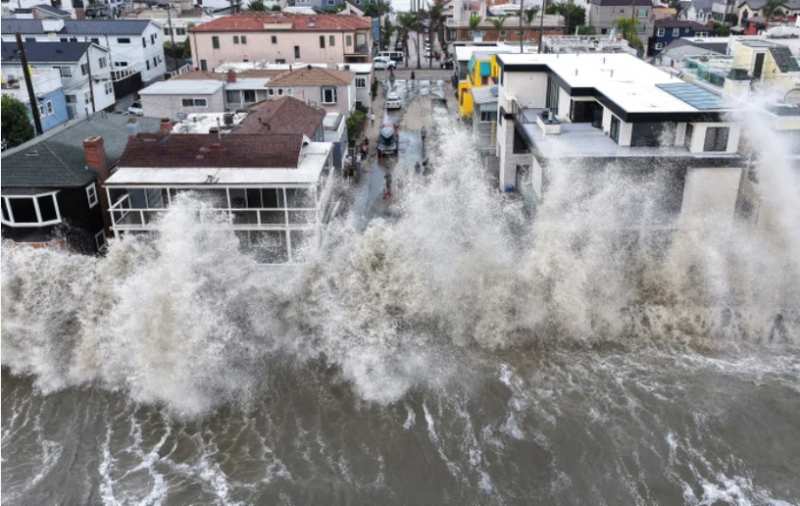




Comments