Med Student Recalls ‘Concerning’ First Signs of Leukemia Before Her Diagnosis at 22
PUBLISHED Oct 4, 2026, 11:56 AM ET
Read, Watch or Listen
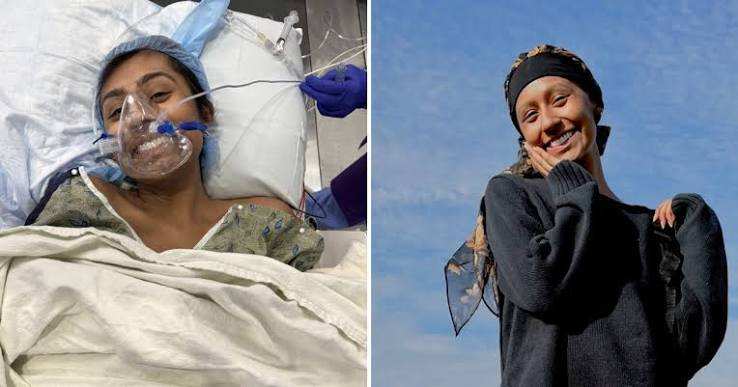
In September 2021, twenty-two-year-old biology teacher Ananya Bashyam experienced sudden vision loss, fatigue, and dark brown urine in Houston. Initially hospitalized for suspected liver failure, further testing revealed B-cell acute lymphoblastic leukemia, a fast-growing bone marrow cancer. Bashyam endured intensive chemotherapy, targeted immunotherapy with blinatumomab, CAR T-cell therapy, and multiple relapses. Following a stem cell transplant utilizing her brother as a donor, she achieved remission and enrolled in Chicago medical school in fall 2024. Continuing immunotherapy during her first year, she managed her ongoing treatment while attending classes. Currently in her third year of medical school and over a year post-treatment, Bashyam remains in remission and advocates for patient awareness. Her treatment journey highlights the resilience required to balance serious medical trauma with professional training in young adult oncology.
By Haya | JQJO News
Timeline of Events
- On September 1 2021 Ananya Bashyam experienced sudden vision loss in Houston.
- On September 5 2021 Doctors initially suspected severe liver failure at urgent care.
- On September 15 2021 Bone marrow biopsy confirmed acute lymphoblastic leukemia diagnosis.
- On January 15 2022 Completed initial four-month round of intensive chemotherapy treatments.
- On June 1 2022 Started blinatumomab targeted immunotherapy for twenty-four-hour infusions.
- On January 15 2023 Bone marrow biopsy revealed cancer had unfortunately returned.
- On June 15 2023 Underwent successful stem cell transplant using her brother.
- On August 15 2023 Experienced second cancer relapse following transplant recovery.
- On September 1 2024 Began medical school in Chicago while continuing treatment.
- On October 4 2026 Remains in remission and continues third-year medical training.
News Intelligence
- Immediate US impact: Highlights young adult cancer detection challenges and modern immunotherapy advancements.
- Possible long-term US impact: Inspires medical education reforms supporting students through chronic health crises.
- Most affected groups: Young adult cancer patients, medical students, oncology workers, and blood donors.
- Reader priority: Verify personal health symptoms promptly and consult professional medical providers.
Coverage of Story:
From Left
No left-leaning sources found for this story.
From Center
Med Student Recalls Concerning First Signs of Leukemia Before Her Diagnosis at 22
TODAY StudyFinds Talker News Medical School Headquarters American Nurses AssociationFrom Right
No right-leaning sources found for this story.





Comments