Markets Brace for Sharp Swings No Matter Result of Brazil Vote
Tap title to read story
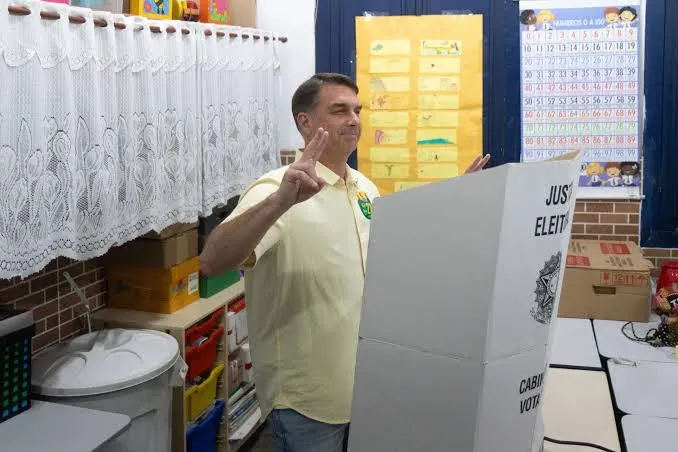
Brazil faces heightened financial market volatility as the upcoming presidential election between incumbent Luiz Inacio Lula da Silva and right-wing challenger Flavio Bolsonaro remains a statistical dead heat. Investors are closely monitoring the candidates' competing fiscal policies amid concerns over the nation's rising debt-to-GDP ratio, which currently hovers around 82 percent. Market analysts report that a Bolsonaro victory is widely perceived as more favorable for structural fiscal discipline, potentially strengthening local equities and the real currency. Conversely, a victory by Lula raises investor skepticism regarding necessary government spending reductions, risking increased pressure on financial assets. Economic experts emphasize that while initial market reactions may fluctuate sharply, long-term asset sustainability ultimately depends on the incoming administration implementing credible stabilization measures.
More context
Timeline
- On January 15 2025, Brazil reported debt to GDP ratio reaching eighty percent.
- On March 10 2025, economists warned fiscal adjustments were urgently required nationwide.
- On June 20 2025, preliminary presidential polling showed tight margins between candidates.
- On September 05 2025, financial analysts projected extreme volatility ahead of voting.
- On November 12 2025, central bank officials discussed necessary economic policy reforms.
- On January 18 2026, campaign fundraising campaigns officially commenced across the country.
- On March 04 2026, first round election polling indicated a statistical tie.
- On May 22 2026, investor concerns over national fiscal stability intensified significantly.
- On August 14 2026, currency values fluctuated following new fiscal policy debates.
- On October 04 2026, markets brace for sharp swings amid election uncertainties.
Why it matters
Immediate US impact: US financial markets monitor emerging currency and equity fluctuations closely. Possible long-term US impact: Investor confidence shifts based on Brazilian trade and fiscal policies. Most affected groups: International investors, emerging market traders, and currency exchange firms. Reader priority: Financial news updates, official election results, and economic expert analyses.
Coverage notes
Left: Emphasizes social welfare protection and public spending sustainability concerns. Center: Focuses objectively on fiscal deficit data and market reactions. Right: Highlights market benefits of fiscal discipline and conservative leadership.
Primary report
Presidential election polling indicates extreme market uncertainty regarding fiscal policy.
Sources
JQJO Editorial Desk · Human reviewed · AI assisted. Report a correction.