A record number of Native Americans are running in the 2026 midterms
Tap title to read story
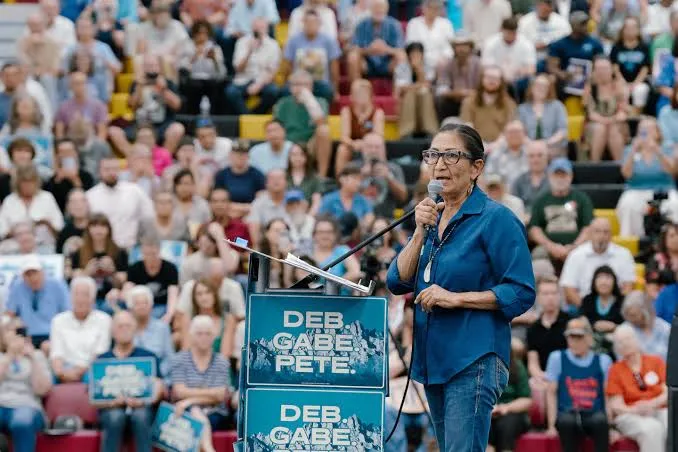
A record number of at least three hundred fifty-five Native American and Indigenous candidates are running across local, state, and federal elections in the United States for the two thousand twenty-six midterms. This historic milestone reflects a growing wave of civic engagement and tribal political mobilization nationwide. Candidates are stepping up across municipal seats, state legislatures, and federal positions, continuing an upward trend seen over recent election cycles. This surge occurs alongside ongoing efforts by Native voters and advocacy groups, including the Native American Rights Fund, to combat persistent voting hurdles such as geographic isolation and restrictive state laws. States with significant Indigenous populations, notably Minnesota and Montana, are witnessing concentrated community efforts to drive voter turnout on tribal lands and elevate community representation at all levels of government.
More context
Timeline
- On November 8 2022 Previous midterm elections saw significant Native American candidate filings nationwide.
- On January 15 2025 Advocacy groups launched early registration drives across multiple western states.
- On March 10 2025 Filing deadlines in early primary states opened for congressional hopefuls.
- On June 12 2025 Tribal leaders met to discuss coordinated voter outreach and engagement strategies.
- On September 4 2025 The Native American Rights Fund filed voting rights protections lawsuits.
- On January 8 2026 Campaign fundraising reports demonstrated historic support for Indigenous political candidates.
- On April 22 2026 Candidate registration totals officially surpassed all previous historic election cycle records.
- On August 14 2026 Primary election results confirmed record participation across multiple key states.
- On October 3 2026 Advocacy organizations reported at least three hundred fifty-five active candidates.
- On November 3 2026 General election ballots will determine final outcomes for registered candidates.
Why it matters
Immediate US impact: Boosts civic participation and alters legislative priorities nationwide immediately. Possible long-term US impact: Expands permanent tribal political influence across federal and state governments. Most affected groups: Indigenous communities, tribal leaders, rural voters, and state election officials. Reader priority: Monitor local ballot initiatives and certified candidate filing updates across states.
Coverage notes
Left: Emphasizes systemic voting barriers, historical marginalization, and civil rights protections. Center: Focuses strictly on candidate statistics, electoral milestones, and civic participation data. Right: Highlights individual candidate achievements, grassroots community organizing, and local economic priorities.
Primary report
Published report detailing record Native American candidate filings for midterms on October 1 2026.
Sources
- The Guardian
- NPR
- NBC News
- Washington Post
- New York Times
- The Atlantic
- The Fulcrum
- Advance Native Political Leadership
- Native America Calling
- ICT News Primaries
- Native Bidaské
- Associated Press
- Reuters
- Politico
- The Hill
- Wall Street Journal
- USA Today
- Time
- Newsweek
- Bloomberg
- Axios
- Star Tribune
- The Seattle Times
- Arizona Republic
- The Oklahoman
- Montana Standard
- Santa Fe New Mexican
- Forbes
- The Hill Capitol Hill Blog
- The Washington Times
- nativenewsonline.net
JQJO Editorial Desk · Human reviewed · AI assisted. Report a correction.