All Hail Electrification. But Let’s Talk About the Hard Part.
PUBLISHED Oct 1, 2026, 9:51 AM ET
Read, Watch or Listen
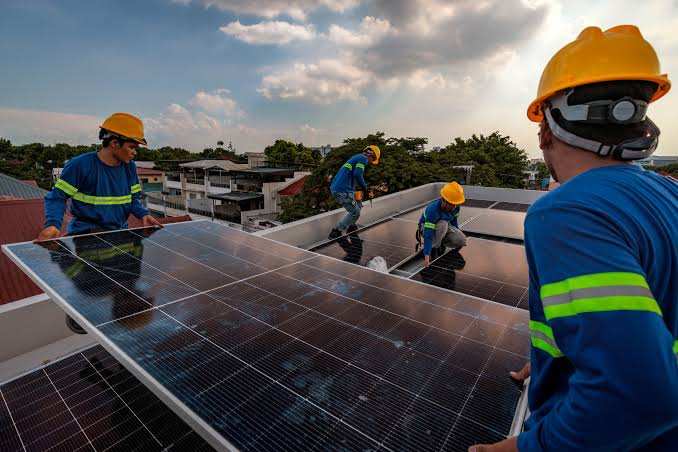
Global climate objectives and energy policy targets heavily prioritize rapid electrification to eliminate carbon emissions, yet implementation faces severe infrastructure, financial, and technological barriers across the United States. Transitioning residential, commercial, and transportation systems requires substantial upfront capital, creating financial hurdles for lower-income consumers and municipal utilities. Existing electrical grids lack necessary high-voltage transmission lines and generation capacity to sustain sudden surges in demand. Meanwhile, hard-to-abate sectors including heavy manufacturing, chemical production, aviation, and maritime shipping cannot easily transition to direct battery power due to physical energy-density limitations. Regulatory delays, multi-year permitting backlogs, supply chain constraints for critical minerals, and unequal policy incentives further slow execution. Addressing these structural challenges requires expanding regional power grids, streamlining federal transmission permitting, developing alternative zero-carbon energy carriers like green hydrogen, and reforming wholesale electricity market structures to ensure grid reliability during peak loads.
By Noormahi M. | JQJO News
Timeline of Events
- On November 15 2021 Infrastructure Law funded grid modernization and clean energy deployment.
- On August 16 2022 Inflation Reduction Act expanded electrification tax credits and subsidies.
- On October 24 2023 IEA published World Energy Outlook detailing rapid electrification requirements.
- On April 25 2024 EPA finalized stricter carbon emission limits for power plants.
- On May 13 2024 FERC issued Order 1920 reforming long-term regional transmission planning.
- On March 15 2026 Energy Department reported transmission backlogs continue delaying renewable integration.
- On June 10 2026 Federal regulators evaluated regional grid capacity during summer peak loads.
- On August 1 2026 State regulators expanded dynamic pricing models to manage EV demand.
- On October 1 2026 Public energy analysis highlighted persistent barriers in industrial electrification.
- On January 1 2027 Expected implementation of updated state building electrification and efficiency codes.
News Intelligence
- Immediate US impact: Power utilities must manage rising energy demand from electrified sectors.
- Possible long-term US impact: Mass electrification requires trillions in grid and supply chain investments.
- Most affected groups: Power utilities, energy consumers, industrial manufacturers, and regulatory agencies.
- Reader priority: Track local utility grid upgrades and energy rate structure updates.
Coverage of Story:
From Left
All Hail Electrification. But Let's Talk About the Hard Part.
Inside Climate News Politico The Washington Post Axios NPR Quartz The Atlantic Seattle Times Commonweal MagazineFrom Center
Global power grid investments lag behind clean energy push, IEA says
Reuters Associated Press Bloomberg Financial Times Utility Dive The Hill S&P Global Commodity Insights The Economist MarketWatch U.S. News & World Report Barron's Chicago Tribune Bloomberg Law World Economic Forum Agenda Dallas Morning News Energy Policy JournalFrom Right
Electric Grid Bottlenecks Threaten Green Energy Expansion Plans
The Wall Street Journal Forbes Houston Chronicle The Daily Caller The Western Journal The American Spectator RealClearEnergy





Comments