Two Ojibwe Tribes Slam 45-Year Timeline for U.S. Steel Minntac Mine Sulfate Cleanup
Tap title to read story
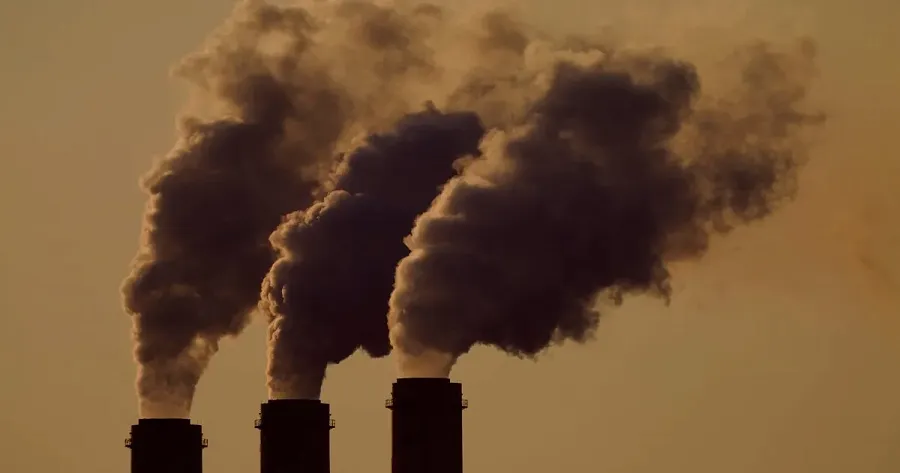
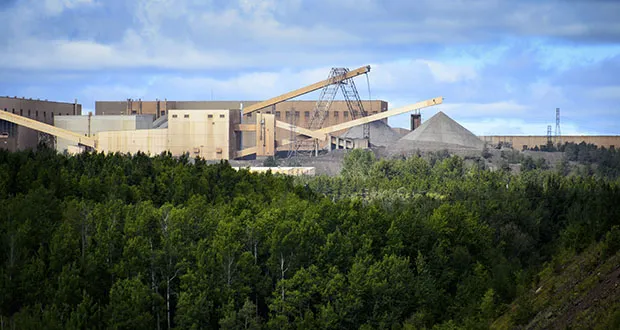
Leaders of the Bois Forte and Grand Portage Ojibwe bands have sharply criticized a newly proposed Minnesota state wastewater permit that grants U.S. Steel up to forty-five years to clean up sulfate pollution leaking from the massive Minntac iron ore mine tailings basin. The draft permit, issued by the Minnesota Pollution Control Agency, requires the facility to meet state wild rice sulfate standards in Little Sandy Lake and the Dark River for the first time. However, consultants estimate it will take decades for polluted groundwater already seeping from the unlined thirteen-square-mile tailings basin to fully clear. Under the proposed terms, U.S. Steel must construct a western water treatment plant within six years and test groundwater pumping systems on the eastern side within eight years. State officials defended the proposal as the most protective framework yet drafted for regional waters, while tribal leaders argue generational timelines are unacceptable and plan to petition the state.
More context
Timeline
- On unknown date, U.S. Steel constructed the massive Minntac iron ore mine tailings basin.
- On unknown date, sulfate pollution began leaking from the unlined mining tailings basin.
- On unknown date, state environmental regulators began drafting a new industrial wastewater discharge permit.
- On September 25, 2026, Minnesota Public Radio reported tribal opposition to the proposed timeline.
- On September 25, 2026, state officials defended the draft permit as a protective regulatory framework.
- On October 12, 2026, the public comment period for the controversial draft permit officially closes.
- Within six years, U.S. Steel must construct a required western water treatment plant.
- Within eight years, the company must test eastern groundwater pumping systems under the permit.
- Within forty-five years, the outer enforcement deadline for achieving full sulfate compliance expires.
- In coming years, tribal petitions may trigger broader cumulative environmental impact statements across territories.
Why it matters
Immediate US impact: Immediate regulatory debates over industrial sulfate pollution timelines in Minnesota. Possible long-term US impact: Long-term environmental protection and wild rice preservation across regional waterways. Most affected groups: Minnesota Ojibwe tribes, U.S. Steel, environmental regulators, and local communities. Reader priority: Monitor official state environmental agency notices and tribal council announcements.
Coverage notes
Left: Emphasizes strict ecological preservation and critiques extended corporate cleanup allowances. Center: Neutral coverage focusing on facts, tribal concerns, and agency responses. Right: Emphasizes compliance costs, operational viability, and industrial economic stability.
Primary report
Minnesota Public Radio published tribal opposition to Minntac permit on Sept 25 2026
Sources
JQJO Editorial Desk · Human reviewed · AI assisted. Report a correction.