Netanyahu Faces Tight Race With Eisenkot
Tap title to read story
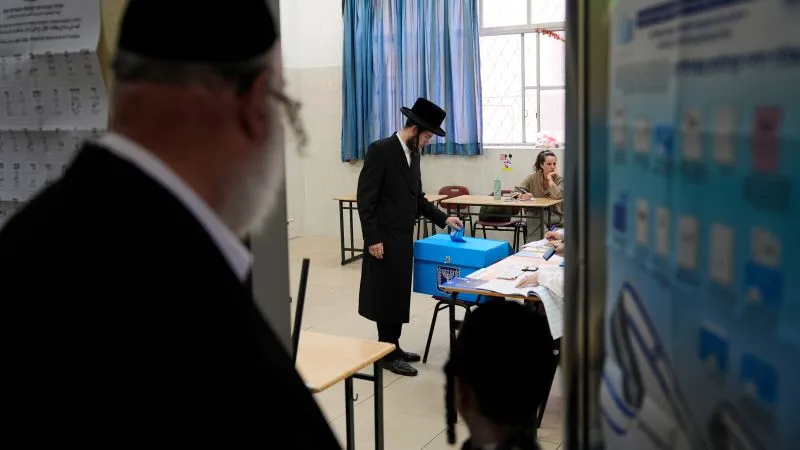
The first vote since the October 7 attacks is a tight race between Benjamin Netanyahu and ex‑military chief Gadi Eisenkot, with the future direction of Israel at stake.
In total, there are 37 parties running in the election, although most parties will fall below the threshold of votes needed to get into Israel’s parliament.
Candidates can continue to campaign throughout the day, in last‑minute pushes to turn out the vote.
Former Israeli Prime Minister Naftali Bennett, leader of the temporarily named Bennett 2026 party, said that it’s “a fateful day for the future of our country” as he dropped his ballot in the box.
Bennett voted in the city of Ra’anana, Israel.
The leader of the Democrats party, Yair Golan, cast his ballot in the city of Rosh Haayin, Israel.
More context
Timeline
- On October 27 2026 Israel holds national elections amid heightened tensions.
- On October 27 2026 Early turnout reaches thirty‑one point five percent.
Why it matters
Immediate US impact: US allies monitor Israel’s political stability closely Possible long-term US impact: US foreign policy may adjust to new Israeli leadership Most affected groups: Israeli voters, Middle East diplomatic partners Reader priority: US policymakers, international relations scholars
Coverage notes
Center: Coverage from thejc.com, Middle East Eye, PBS frames this as a developing news story: Netanyahu Faces Tight Race With Eisenkot. Reporting emphasizes verified facts, named sources, and near-term impact for readers. Left: Left-leaning desks covering the same development typically emphasize public impact, institutional accountability, and who is most affected. Right: Right-leaning desks covering the same development typically emphasize practical outcomes, market or security stakes, and institutional response.
Primary report
CNN — Netanyahu Faces Tight Race With Eisenkot
Sources
JQJO Editorial Desk · Human reviewed · AI assisted. Report a correction.