An Idaho County Banned Wind and Solar Projects. Some Locals Regret It.
Tap title to read story
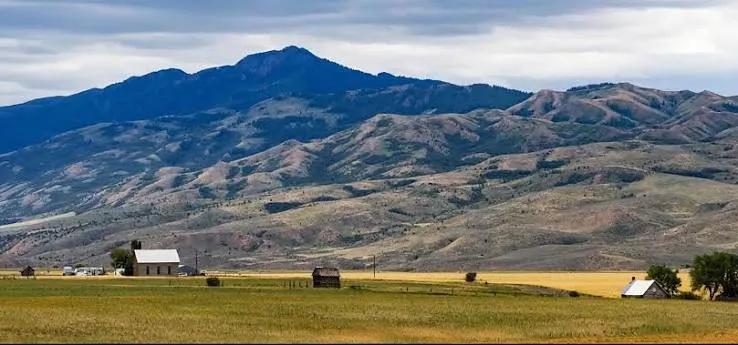
Bannock County, Idaho, is moving to reverse its permanent 2024 ban on utility-scale solar and wind projects by considering a new zoning ordinance that would permit renewable and nuclear energy development under strict conditional-use permits. The original ban, enacted by a two-to-one vote following a temporary moratorium, was driven by rural resident pushback over landscape preservation and property aesthetics. However, the decision sparked severe backlash from generational farmers and landowners who argued that the prohibition stripped away private property rights and crucial supplemental income amid worsening regional droughts and climate pressures. Furthermore, surging regional electricity demands—spurred by major industrial and data center expansions across Idaho—prompted county leaders, including Commissioner Jeff Hough, to reevaluate the ban. The proposed regulatory framework aims to balance local environmental and aesthetic protections with economic growth, property rights, and energy infrastructure demands through rigorous planning and public review requirements.
More context
Timeline
- On October 12, 2023, commissioners unanimously enacted a six-month moratorium on large-scale energy projects.
- On March 2024, Bannock County commissioners passed a permanent utility-scale solar and wind ban.
- On February 2026, local officials began public discussions regarding a comprehensive land-use ordinance rewrite.
- On June 16, 2026, conservation groups highlighted agricultural land pressures and alternative energy options.
- On August 7, 2026, public hearings on the solar ordinance rewrite drew intense local community debate.
- On September 14, 2026, reports detailed the county commission's active push to overturn the previous ban.
- On September 15, 2026, local governance tracking highlighted the formal policy shift toward permitting clean energy.
- On September 20, 2026, ongoing evaluations positioned the county to vote on final alternative energy provisions.
- In coming months, the Bannock County commission is expected to formally vote on the new ordinance.
- In coming years, updated zoning frameworks will dictate how rural communities integrate regional energy demands.
Why it matters
Immediate US impact: Immediate US impact involves local policy shifts on rural energy development. Possible long-term US impact: Long-term US impact shapes rural balancing of property rights and energy grids. Most affected groups: Most affected groups include local farmers, landowners, and regional energy providers. Reader priority: Readers should prioritize local county records, regional reporting, and official planning documents.
Coverage notes
Left: Highlights economic desperation of farmers and importance of property rights. Center: Focuses objectively on policy changes, public hearings, and energy demands. Right: Emphasizes landscape preservation concerns and skepticism toward federal clean energy subsidies.
Primary report
Mother Jones published a detailed investigation on Bannock County policy shifts.
Sources
JQJO Editorial Desk · Human reviewed · AI assisted. Report a correction.