France probes misuse of smart glasses in sexual harassment cases
Tap title to read story
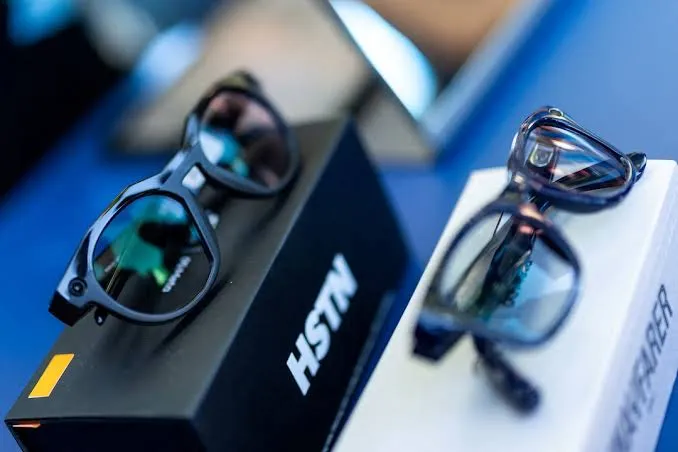
The Paris prosecutor's office has launched a criminal investigation into the misuse of camera-equipped smart glasses to secretly film women in public spaces without consent. The inquiry addresses a viral social media trend where individuals record non-consensual footage for online harassment and digital content. While manufacturers emphasize built-in recording indicator lights, digital safety advocates argue these safeguards are easily missed or tampered with, unfairly shifting the burden of privacy onto unsuspecting victims. France's data protection authority, CNIL, reported receiving inquiries and workplace complaints regarding the discreet hardware. The international backlash has prompted broader regulatory scrutiny across Europe and Australia, with authorities weighing stricter privacy controls, data protection compliance measures, and potential venue-wide bans on smart eyewear. Legal experts note that existing privacy statutes face enforcement challenges when non-consensual digital content spreads rapidly across online platforms, intensifying calls for stronger industry safeguards and clearer legal frameworks governing wearable AI technologies.
More context
Timeline
- On June 1, 2026, France data protection authority issued warnings regarding smart glasses.
- On September 1, 2026, German organization HateAid filed a criminal complaint against device makers.
- On September 10, 2026, Australia requested public service advice on workplace eyewear bans.
- On September 14, 2026, French cybercrime units tested smart glasses functionality.
- On September 18, 2026, Paris prosecutor announced criminal investigations into harassment complaints.
- On September 18, 2026, Reuters reported that seven million smart units sold previously.
- On September 23, 2026, Meta Connect conference anticipated next-generation hardware debut.
- On October 1 2026 Coming months will see European Data Protection Board examining smart eyewear compliance.
- On November 1 2026 Coming months will involve expanded regulatory debates across international technology markets.
- On January 1 2027 Coming years will likely establish formal legal precedents for wearable camera privacy.
Why it matters
Immediate US impact: Immediate US impact involves heightened scrutiny on wearable device privacy. Possible long-term US impact: Long-term US impact includes potential federal restrictions on recording eyewear. Most affected groups: Most affected groups are technology manufacturers, privacy advocates, and consumers. Reader priority: Readers should prioritise verified wire reports and official agency statements.
Coverage notes
Left: Emphasizes systemic gender-based violence and corporate product accountability. Center: Focuses on factual police statements and regulatory compliance challenges. Right: Highlights consumer freedom, innovation impacts, and enforcement practicality limits.
Primary report
Paris prosecutor opens criminal investigation into smart glasses harassment complaints.
Sources
- Le Monde
- Libération
- The Independent
- Toronto Star
- Haaretz
- Reuters
- Fidelity
- Minute Mirror
- Cyprus Inform
- EU Today
- US News & World Report
- Associated Press
- Bloomberg
- Financial Times
- Politico Europe
- Engadget
- Euronews
- Politico
- Japan Times
- Strait Times
- CBC News
- Global News
- Wall Street Journal
- Le Figaro
- Forbes
- Daily Mail
- The Times
- The Australian
JQJO Editorial Desk · Human reviewed · AI assisted. Report a correction.