
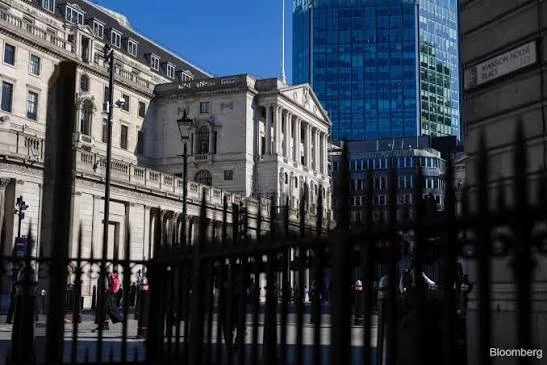
Banks rush to swap higher-risk credit assets for BoE cash
Tap title to read story
British commercial banks are increasingly swapping higher-risk assets for central bank cash at the Bank of England (BoE), according to an analysis of public filings. On August 18, lenders pledged £1.9 billion in Level C collateral—the central bank’s highest-risk category—at the weekly Indexed Long-Term Repo auction, marking a three-fold increase from the prior week. Total Level C collateral on the BoE balance sheet reached £17.8 billion, up from £8.7 billion a year earlier. The shift reflects commercial lenders securing liquidity as the BoE reverses its £895 billion quantitative easing program. Eligible assets include vehicle leases, credit card debt, buy-to-let mortgage pools, and peer-to-peer small business loans. While the European Central Bank has tightened collateral standards to exclude similar higher-risk instruments, the BoE defends its framework, citing risk-mitigation measures like tiered interest rates and higher haircuts to protect central bank reserves against default losses.
Timeline
- On 2021-12-31 Bank of England ended massive quantitative easing asset purchasing program.
- On 2022-11-01 Bank of England commenced active quantitative tightening reserve drains.
- On 2024-06-30 Bank of England Level C collateral holdings remained under £1B.
- On 2025-09-02 Bank of England Level C collateral holdings reached £8.7 billion.
- On 2026-01-15 European Central Bank officially tightened acceptable collateral pool requirements.
- On 2026-08-18 UK banks pledged £1.9 billion in high-risk Level C collateral.
- On 2026-09-02 Reuters analysis revealed £17.8 billion total Level C collateral holdings.
- On 2026-09-15 Central banks expected to conduct quarterly collateral risk framework reviews.
- On 2027-01-01 Commercial lenders projected to increase repo reliance as liquidity drains.
- On 2027-06-30 Global regulators expected to tighten standards on private credit assets.
Sources
S&P Global Market Intelligence
International Financing Review (IFR)
Read this article on JQJO