Explainer: How severe are Indonesia's wildfires?
Tap title to read story
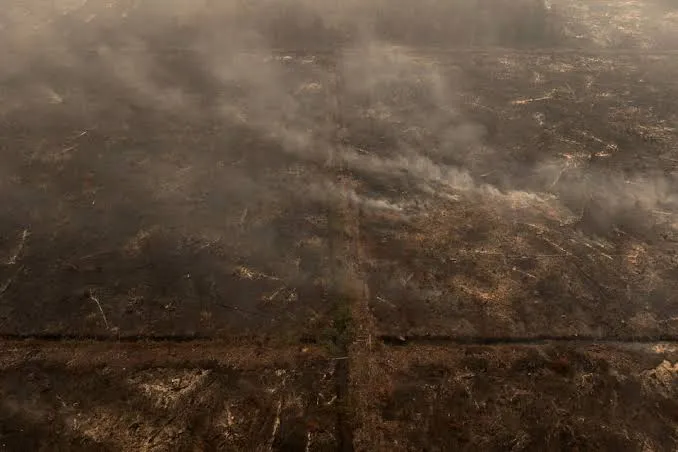
Indonesian authorities report a severe surge in wildfires driven by extreme drought and a powerful El Niño cycle, which climate scientists describe as off the charts. July wildfire damage nearly doubled the previous six months, while August hotspots exceeded 2015 levels, though overall devastation remains below that historic year. According to Copernicus data, carbon emissions from Indonesian fires spiked 429 percent above seasonal means to 17.1 million metric tons over seven days, registering the highest intensity globally outside Russia. The fires stem primarily from agricultural land clearing and peatland degradation, particularly in Borneo, where underground blazes persist. Following the catastrophic fires of 2015, the Indonesian government enacted stricter environmental protections, law enforcement crackdowns, and peatland restoration initiatives. Experts note these preventative measures have successfully limited the broader scale of destruction compared to previous decades, despite record-breaking global sea surface temperatures and intensifying regional drought conditions.
More context
Timeline
- On June 1, 2015 Indonesian wildfires caused unprecedented regional devastation and massive carbon emissions.
- On August 1, 2015 monthly hotspots reached critical levels across Indonesian forest regions.
- On October 1, 2015 wildfire hotspots peaked at an all-time monthly high.
- On July 1, 2023 wildfires destroyed nearly 95,000 hectares of Indonesian land.
- On August 22, 2023 global sea surface temperatures reached record-breaking levels.
- On August 25, 2023 monthly hotspots surpassed five thousand recorded in previous periods.
- On August 31, 2023 carbon emissions from Indonesian fires surged significantly higher.
- On September 1, 2026 authorities expect continued monitoring of peatland moisture levels.
- On December 31, 2026 climate scientists anticipate El Niño intensity patterns to normalize.
- On January 1, 2030 government officials project successful rehabilitation of degraded peatlands.
Why it matters
Immediate US impact: Global commodity supply chains and insurance markets experience minor volatility. Possible long-term US impact: Elevated global carbon emissions accelerate long-term international climate policy pressures. Most affected groups: Agricultural sectors, environmental agencies, and Southeast Asian local communities. Reader priority: Track official meteorological agency reports and verified international scientific data.
Coverage notes
Left: Highlight climate change urgency and government environmental policy failures. Center: Present factual data regarding weather patterns and agency reports. Right: Focus on economic impacts and enforcement of agricultural regulations.
Primary report
Reuters published explainer detailing Indonesian wildfire severity and El Niño.
Sources
- Al Jazeera
- CNN
- The Guardian
- New York Times
- Washington Post
- Time Magazine
- The Independent
- Reuters
- Associated Press
- BBC News
- Bloomberg
- Channel News Asia
- Jakarta Post
- Straits Times
- Financial Times
- ABC News
- NBC News
- CBS News
- NPR
- Nikkei Asia
- South China Morning Post
- DW News
- France 24
- Euronews
- Reuters Science
- AP Environment
- Bloomberg Green
- Wall Street Journal
- Fox News
- Telegraph
JQJO Editorial Desk · Human reviewed · AI assisted. Report a correction.