Midterms Could Shift Corporate Leverage
Tap title to read story
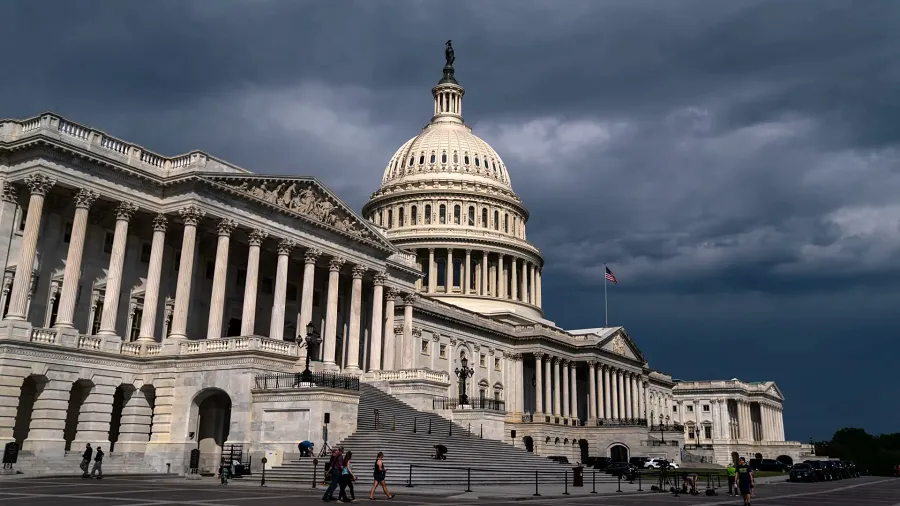
The 2026 midterm election may alter how major U.S. companies interact with Washington. Lockheed Martin derives about seventy percent of its sales from the U.S. government, while Medicaid supplies three‑quarters of Molina Healthcare’s premium revenue. Coinbase awaits congressional rule‑making on cryptocurrency. A Democratic majority in either chamber would grant new oversight powers, allowing subpoenas and investigations, but President Trump would retain veto authority over tariffs, immigration and federal regulation. Historically, the S&P 500 has gained an average of twenty‑three percent in the year after midterms under divided government, compared with sixteen percent when Democrats control both chambers. Analysts caution that past patterns may not repeat, yet the election could reshape advantages for defense, healthcare, banking and AI firms.
More context
Timeline
- 2026-11-02 — Midterms Could Shift Corporate Leverage
Why it matters
Immediate US impact: Election results may change corporate oversight Possible long-term US impact: Potential shifts in federal spending and regulation Most affected groups: Defense, healthcare, banking, AI industries Reader priority: Understanding corporate-government dynamics
Coverage notes
Center: Coverage from share.america.gov, theguardian.com, thelegalguide.org frames this as a developing news story: Midterms Could Shift Corporate Leverage. Reporting emphasizes verified facts, named sources, and near-term impact for readers. Left: Left-leaning desks covering the same development typically emphasize public impact, institutional accountability, and who is most affected. Right: Right-leaning desks covering the same development typically emphasize practical outcomes, market or security stakes, and institutional response.
Primary report
CNBC — Midterms Could Shift Corporate Leverage
Sources
JQJO Editorial Desk · Human reviewed · AI assisted. Report a correction.