S&P 500 Plunges 4.2% as September Opens with Worst Trading Day Since 2022
Tap title to read story
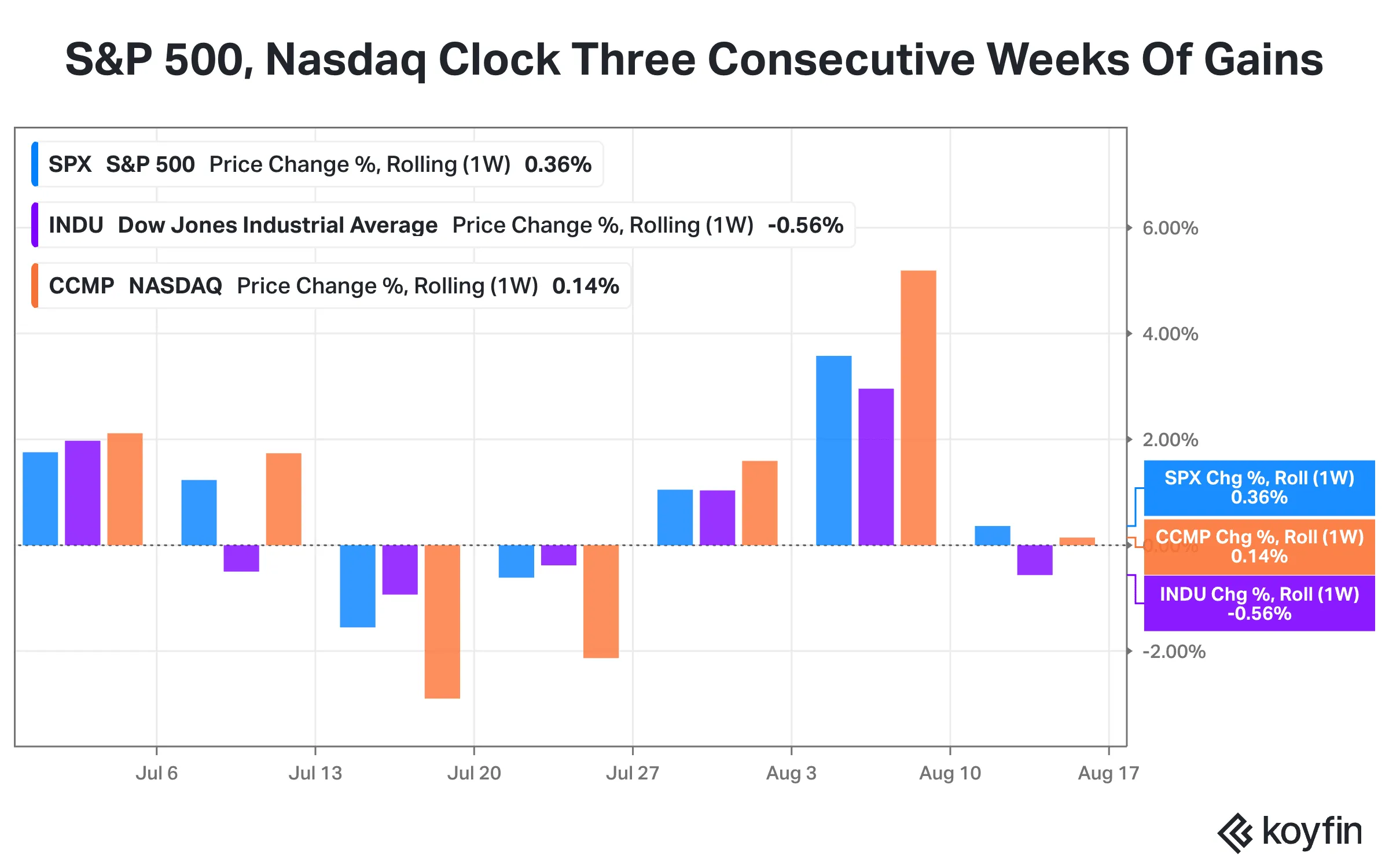
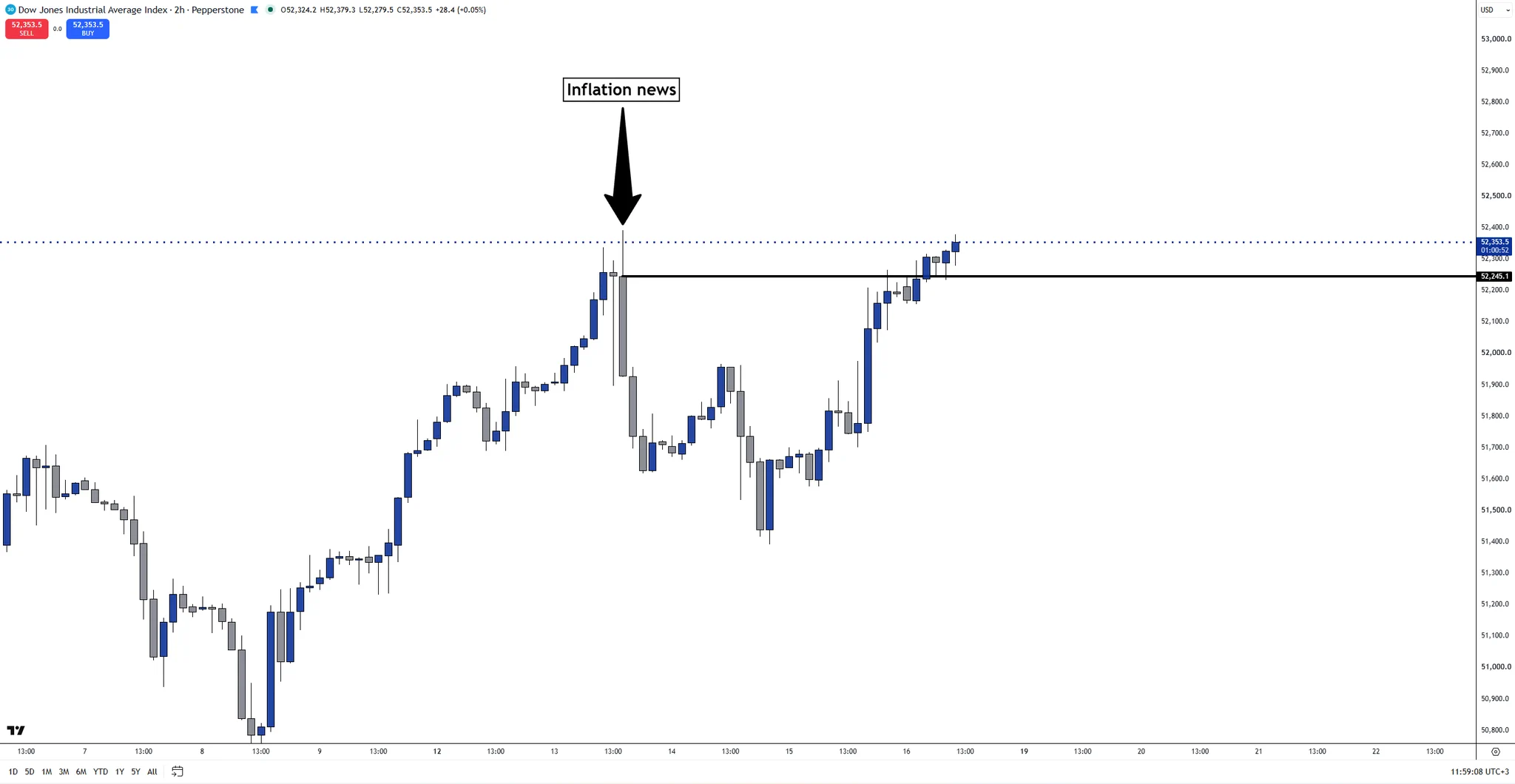
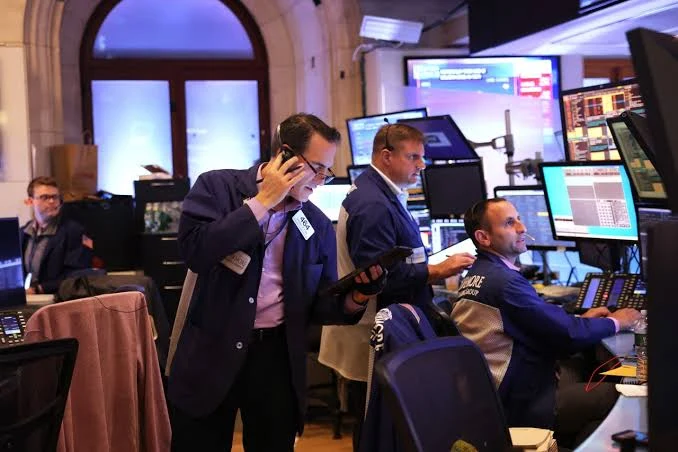
United States stock markets experienced their sharpest single-day selloff in over two years on the first trading day of September. The S&P 500 plummeted 4.2 percent to close at 5,247, while the Dow Jones Industrial Average fell 3.8 percent and the tech-heavy Nasdaq Composite dropped 5.1 percent. The broader market rout erased approximately 1.8 trillion dollars in market capitalization. Declining equities outnumbered advancers on the New York Stock Exchange by a ratio of twelve to one, reflecting widespread liquidation across all eleven S&P sectors. Technology giants, financial institutions, and consumer discretionary firms led the losses. The downturn was triggered by fresh economic data showing U.S. manufacturing activity contracted for the sixth consecutive month, with the Institute for Supply Management manufacturing index falling to 46.2 in August. The employment component dropped to 44.3, stoking recession fears and driving investors into safe-haven assets such as U.S. Treasury bonds and gold.
Timeline
- On September 1 2022 Markets experienced previous major opening session historical losses.
- On August 1 2024 Manufacturing data began showing early signs of severe contraction.
- On August 15 2024 Analysts warned about potential industrial sector employment slowdowns.
- On September 3 2024 Institute for Supply Management released August manufacturing index data.
- On September 3 2024 U.S. stock markets plunged drastically during morning trading.
- On September 3 2024 Federal Reserve officials monitored escalating financial market volatility closely.
- On September 3 2024 Treasury bond yields fell sharply amid safe-haven investor demand.
- On September 3 2024 Traders increased expectations for aggressive Federal Reserve rate cuts.
- On September 6 2024 Upcoming employment reports will dictate subsequent monetary policy decisions.
- On September 17 2024 Federal Reserve officials will convene official monetary policy meetings.
Sources
JQJO Editorial Desk · Human reviewed · AI assisted. Report a correction.