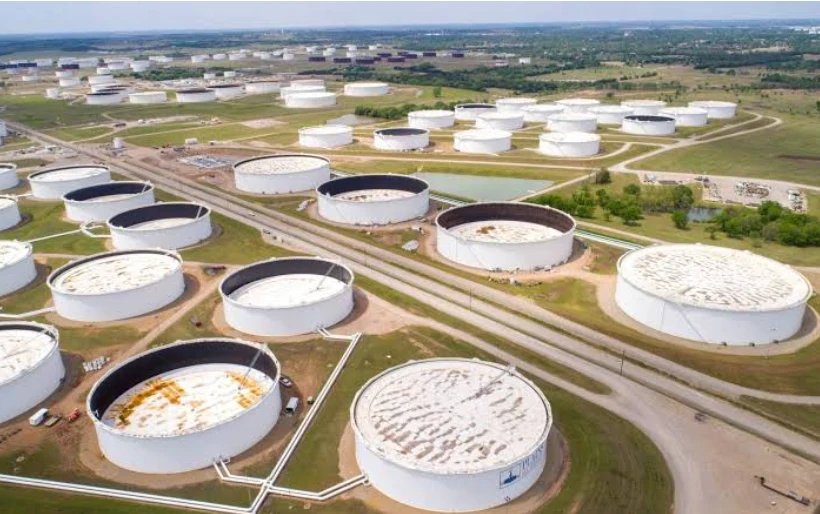
Oil Benchmarks Surge as Brent Hits $90.32 and WTI Rises to $85.41
Tap title to read story
Global oil benchmarks rose sharply during early trading sessions as market participants responded to heightened geopolitical tensions and supply security concerns. Brent crude climbed to ninety dollars and thirty-two cents per barrel, representing a robust increase of over two percent. Meanwhile, US West Texas Intermediate advanced to eighty-five dollars and forty-one cents per barrel. The upward price movement reflects growing anxieties regarding petroleum flows through critical international shipping corridors and potential disruptions in key producing regions. Analysts note that these higher valuations directly impact downstream petroleum products, raising fuel pump prices and transportation costs across the United States. This energy sector escalation introduces fresh upside pressures on domestic consumer price indices, complicating the broader economic outlook for manufacturing logistics, corporate profit margins, and household expenditures. Federal Reserve officials and financial markets continue monitoring these developments closely to assess potential ramifications for upcoming monetary policy decisions this week.
Timeline
- On July 29, 2026, global crude oil prices surged higher.
- On August 10, 2026, Middle East supply tensions escalated market anxiety.
- On August 20, 2026, energy analysts warned of incoming shocks.
- On August 31, 2026, Brent crude climbed to ninety dollars.
- On August 31, 2026, WTI crude reached eighty five dollars.
- On August 31, 2026, traders evaluated regional shipping route disruptions.
- On August 31, 2026, US markets reacted to energy surges.
- Higher oil prices will likely increase domestic retail gasoline costs.
- Persistent energy inflation may influence upcoming Federal Reserve rate decisions.
- Manufacturing supply chains face extended cost pressures throughout autumn months.
Sources
JQJO Editorial Desk · Human reviewed · AI assisted. Report a correction.