Europe's central bankers fear more turbulence in testy U.S. relations
Tap title to read story
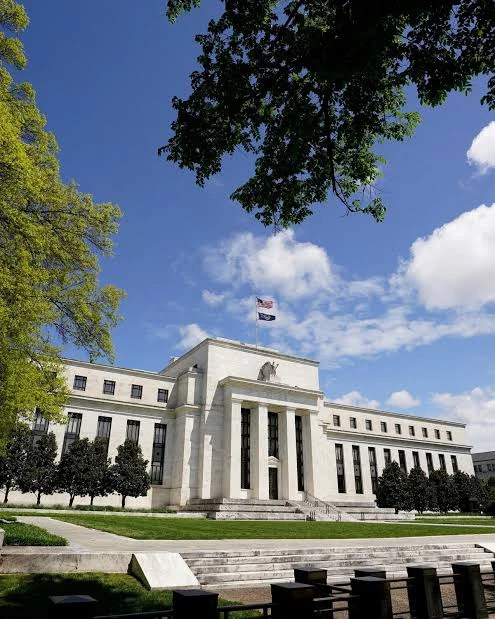
European central bankers left their annual gathering in Jackson Hole, Wyoming, expressing serious concerns regarding the stability of long-standing global economic norms and their relationship with Washington. Federal Reserve policymakers attempted to reassure their international counterparts by promising to honor all existing commitments. However, officials stated that the central bank could not provide guarantees against sudden policy shifts by President Donald Trump's administration. Particular anxiety centered on recent unannounced U.S. Treasury interventions, including selling euros to support the Japanese yen and plans to increase bond buybacks to lower long-term yields. European authorities criticized the lack of advance communication regarding these currency operations, viewing them as unpredictable breaks from traditional multilateral cooperation. Furthermore, concerns were raised that escalating political friction could eventually threaten vital dollar swap lines. While U.S. officials maintained that interventions aimed solely at market stability and that swap lines remained secure, international officials remain wary of potential future volatility.
Timeline
- On August 1, 2026 U.S. Treasury executed unannounced foreign exchange transactions supporting yen.
- On August 28, 2026 Federal Reserve officials met European counterparts at Jackson Hole.
- On August 29, 2026 Treasury Secretary Scott Bessent defended recent Exchange Stabilization Fund actions.
- On August 30, 2026 European central bankers expressed growing alarm over unilateral actions.
- On August 30, 2026 U.S. officials insisted swap lines and monetary independence remain safe.
- On September 1, 2026 G20 finance ministers plan discussions in Asheville North Carolina.
- On October 15, 2026 Federal Reserve officials evaluate upcoming global liquidity and swap agreements.
- On November 10, 2026 Financial markets monitor potential shifts in U.S. long bond buybacks.
- On December 1, 2026 International monetary cooperation faces renewed scrutiny during policy updates.
- On January 15, 2027 European authorities assess long-term stability of transatlantic central bank relations.
Sources
JQJO Editorial Desk · Human reviewed · AI assisted. Report a correction.