Federal Reserve Warns of Persistent Inflation and Surging AI Data Center Costs
PUBLISHED Aug 29, 2026, 12:41 PM ET
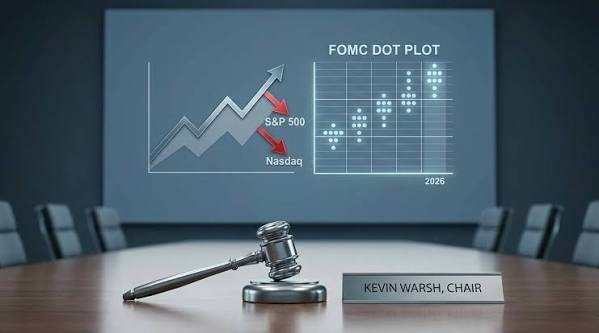
Federal Reserve officials are confronting a new inflationary challenge from the massive $581 billion U.S. artificial intelligence infrastructure buildout, which is driving up prices for electricity, chips, and software while the anticipated productivity gains lag. The Fed's June policy meeting minutes first cited AI investment as a primary upside risk to inflation alongside tariffs and energy disruptions. With the PCE price index holding at 3.7%, nearly double the 2% target, Fed Governor Lisa Cook has signaled readiness to raise rates if necessary. Chair Kevin Warsh, who has staked credibility on AI's long-term disinflationary potential, now faces a divided Federal Open Market Committee. Corporate adoption remains uneven, with only 17% to 20% of U.S. businesses using AI, delaying productivity gains that could offset surging infrastructure costs. Analysts compare the dynamic to the late-1990s internet boom, noting technological revolutions can be inflationary during early build-out phases. Money markets are evenly split on a potential September rate hike.
By Sarah Whitman | JQJO News
- Articles Published:
- 20
- Right Leaning:
- 0
- Left Leaning:
- 0
- Neutral:
- 20
- Distribution:
- Left 0%, Center 100%, Right 0%
Left: Emphasizes corporate power and AI investment as drivers of consumer hardship. Center: Balances Fed's inflation concerns against AI's uncertain long-term productivity benefits. Right: Highlights Warsh's pro-business stance and skepticism toward rate hikes hurting growth.
Fed June 2026 meeting minutes first named AI investment as major inflation risk. https://www.federalreserve.gov/monetarypolicy/fomcminutes20260624.htm
Coverage of Story:
From Left
No left-leaning sources found for this story.
From Center
Federal Reserve Warns of Persistent Inflation and Surging AI Data Center Costs
Washington Post CNBC Edgen Bloomberg Línea Federal Reserve Bank of Minneapolis Federal Reserve Bank of Richmond Edgen Yahoo Finance Yahoo Finance 证券时报 东方财富 CMC Markets HFM 富途牛牛 中国商务新闻网 国研网 网易手机 InvesTalk Longportapp Edgen (Chinese)From Right
No right-leaning sources found for this story.




Comments