Federal Reserve Warns of Persistent Inflation and Surging AI Data Center Costs
Tap title to read story
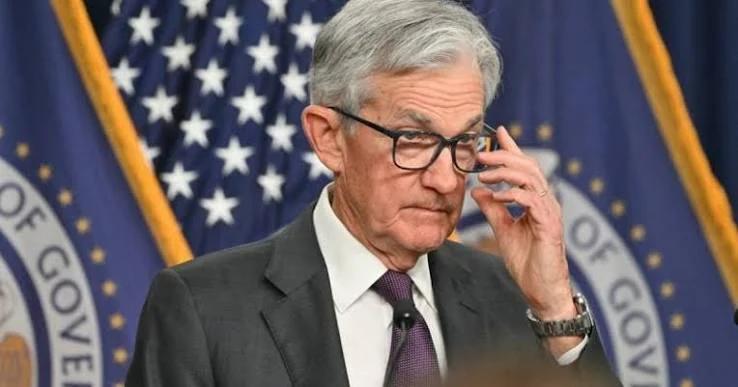
Federal Reserve officials are confronting a new inflationary challenge from the massive $581 billion U.S. artificial intelligence infrastructure buildout, which is driving up prices for electricity, chips, and software while the anticipated productivity gains lag. The Fed's June policy meeting minutes first cited AI investment as a primary upside risk to inflation alongside tariffs and energy disruptions. With the PCE price index holding at 3.7%, nearly double the 2% target, Fed Governor Lisa Cook has signaled readiness to raise rates if necessary. Chair Kevin Warsh, who has staked credibility on AI's long-term disinflationary potential, now faces a divided Federal Open Market Committee. Corporate adoption remains uneven, with only 17% to 20% of U.S. businesses using AI, delaying productivity gains that could offset surging infrastructure costs. Analysts compare the dynamic to the late-1990s internet boom, noting technological revolutions can be inflationary during early build-out phases. Money markets are evenly split on a potential September rate hike.
Timeline
- On November 1 2025 Warsh wrote AI would be a 'significant disinflationary force' before confirmation.
- On May 1 2026 Census Bureau survey showed 17%-20% of U.S. businesses use AI.
- On June 17 2026 Fed minutes first listed AI investment as major inflation risk.
- On July 8 2026 Fed held rates at 3.5%-3.75% but showed deep internal divisions.
- On July 9 2026 Warsh unveiled five policy working groups including AI task force.
- On July 10 2026 Fed semiannual report cited AI as both inflation source and growth pillar.
- On July 29 2026 Minneapolis Fed President Kashkari dissented favoring higher rates over AI.
- On August 11 2026 Goldman projected U.S. AI capex at $581 billion, 1.8% of GDP.
- On August 11 2026 Chicago Fed's Goolsbee said AI data centers have dual productivity-inflation effect.
- On August 1 2026 Household electricity prices rose 10.1% in two years through June.
- On September 1 2026 Fed may raise rates by 25 basis points in September 2026.
- On January 1 2028 AI capex could reach 2.8% of U.S. GDP by 2028.
- On December 31 2026 Global AI spending could hit $1 trillion in 2026.
- AI productivity gains will only materialize after infrastructure is fully built.
Sources
Federal Reserve Bank of Minneapolis
Federal Reserve Bank of Richmond
JQJO Editorial Desk · Human reviewed · AI assisted. Report a correction.