SpaceX Rocket Slams into Moon at 5,400 MPH, NASA Reveals New Crater
PUBLISHED Aug 21, 2026, 8:52 PM ET
Read, Watch or Listen
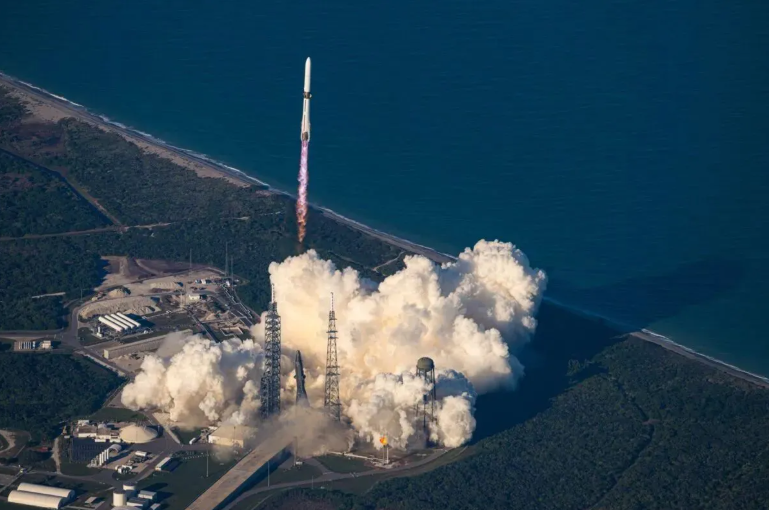
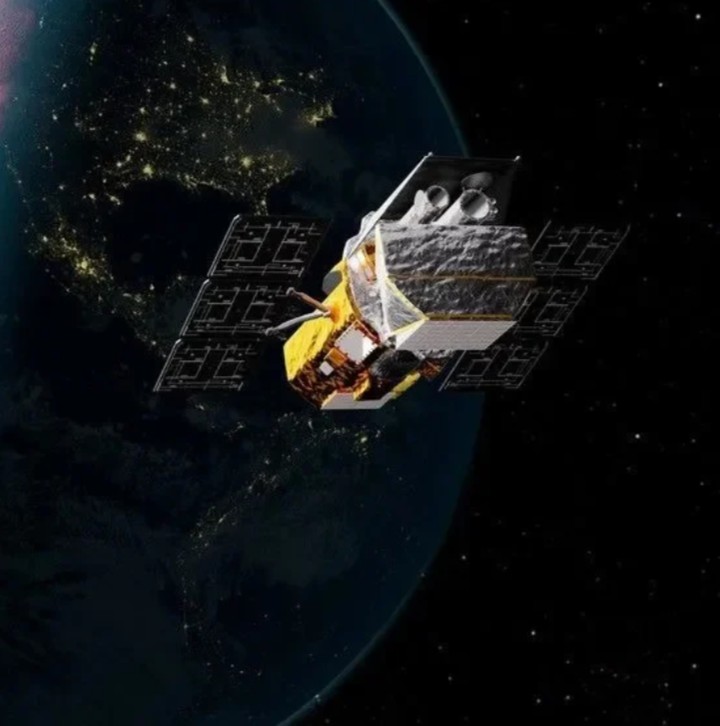
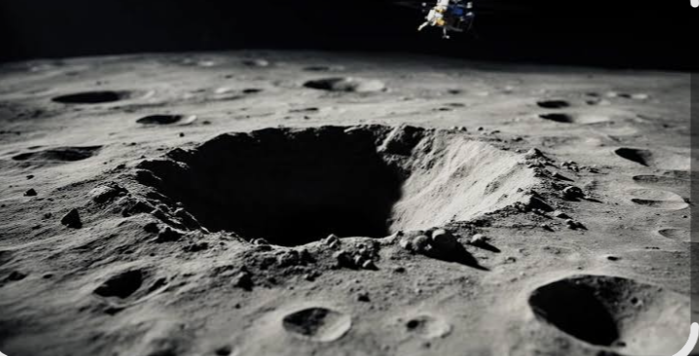
NASA has released detailed Lunar Reconnaissance Orbiter images showing a new crater created when a discarded SpaceX Falcon 9 upper stage struck the Moon on Aug. 5. The impact occurred near Einstein Crater at about 5,400 mph, after the stage had remained in space since a January 2025 launch carrying commercial lunar landers. NASA said its orbiter photographed the site between Aug. 11 and 12 from roughly 60 miles above the surface, after engineers waited six days and tilted the spacecraft to obtain suitable views. Scientists measured the fresh crater at about 60 feet wide and less than 10 feet deep, using multiple lighting angles and shadow measurements. South Korea’s Danuri spacecraft photographed the site first and provided coordinates that helped NASA refine its observations. NASA said solar activity and gravitational forces altered the stage’s trajectory. The impact was unintentional and posed no danger to Earth, offering useful research data.
By Michael Grant | JQJO News
Timeline of Events
- January 15, 2025 — SpaceX launched Falcon 9 carrying landers.
- August 5, 2026 — Falcon 9 stage struck Moon unintentionally.
- August 6, 2026 — Danuri released first before-and-after impact images.
- August 11-12, 2026 — LRO photographed crater from multiple angles.
- August 18, 2026 — NASA released detailed crater imagery publicly.
- August 19, 2026 — NASA updated findings with refined coordinates.
- August 22, 2026 — No newer material development was located.
- Coming months — Scientists will analyze ejecta and subsurface composition.
- Coming years — Lunar missions may improve disposal planning standards.
- Future lunar exploration — Lunar exploration will increase attention toward cislunar debris management.
News Intelligence
- Immediate US impact: NASA gains data supporting lunar mission planning.
- Possible long-term US impact: Cislunar debris management may become increasingly important.
- Reader priority: Readers should prioritize NASA, Danuri, Reuters, and independent scientific evidence.
- Most Affected: NASA, SpaceX, lunar scientists, commercial landers, and astronauts.
- Articles Published:
- 17
- Right Leaning:
- 0
- Left Leaning:
- 2
- Neutral:
- 15
- Distribution:
- Left 12%, Center 88%, Right 0%
Left: Left-leaning coverage emphasizes lunar stewardship, debris risks, and commercialization concerns. Center: Neutral coverage emphasizes verified impact facts, imagery, measurements, and context. Right: Right-leaning coverage emphasizes technological achievement, SpaceX responsibility, and exploration competition.
NASA's August 18 release confirmed LRO's August 11-12 crater images. https://science.nasa.gov/solar-system/moon/nasas-lro-images-falcon-9-crater-on-moon-learns-new-details/
Coverage of Story:
From Left
SpaceX rocket thought to have crashed into the moon in unintentional collision
The Guardian WCVB / CNNFrom Center
SpaceX Rocket Slams into Moon at 5,400 MPH, NASA Reveals New Crater
NewsNation / NASA Reuters Associated Press Space.com Live Science PEOPLE Yonhap News Agency Anadolu Agency Korea JoongAng Daily The Asia Business Daily The Watchers Science News Today Geo News Geekspin ScienceDailyFrom Right
No right-leaning sources found for this story.




Comments