US Wildfire Crisis Triggers National Emergency
PUBLISHED Aug 21, 2026, 8:47 PM ET
Read, Watch or Listen
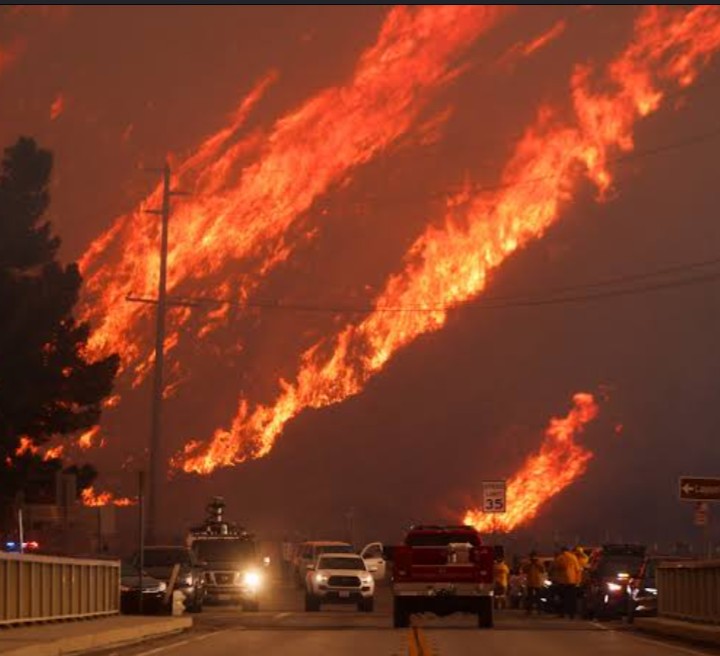
The United States wildfire season escalated to National Preparedness Level 5, driven by extreme fire activity that has exhausted federal firefighting resources nationwide. Over 7.5 million acres have burned year-to-date, tracking at 169% of the 10-year average. In the Pacific Northwest, concentrated lightning strikes ignited over 100 new fires, with Oregon and Washington bearing the heaviest load. The Little Giant Fire near Leavenworth, Washington, expanded to nearly 140,000 acres with minimal containment, prompting the deployment of 240 U.S. Army soldiers from Joint Base Lewis-McChord and international firefighting personnel from Australia and New Zealand. The Department of the Interior finalized emergency categorical exclusions under the National Environmental Policy Act to expedite Bureau of Land Management timber salvage and forest thinning projects. Officials warn that persistent drought, record-low snowpacks, and a lingering western heat dome have locked in severe fuel conditions, forcing the deployment of over 17,400 personnel and military C-130 air tanker crews nationwide.
By Daniel Hayes | JQJO News
Timeline of Events
- On July 16, 2026, the naturally caused Little Giant Fire ignited in Washington state.
- On July 18, 2026, the national preparedness level reached maximum level 5.
- On August 20, 2026, severe fire growth prompted active community virtual meetings.
- On August 21, 2026, over one hundred new fires exploded nationwide quickly.
- On August 22, 2026, federal agencies maintained maximum resource mobilization efforts nationwide.
- On August 22, 2026, military personnel reinforced frontline crews in the Pacific Northwest.
- On August 22, 2026, international firefighters from Australia and New Zealand actively assisted.
- Predict seasonal fire risks will persist well into autumn months.
- Predict prolonged drought conditions will continue challenging future prevention efforts.
- Predict increased legislative focus on federal wildland firefighter compensation reforms.
News Intelligence
- Federal firefighting resources face severe strains amid widespread emergency deployments.
- Climate pressures demand long-term structural shifts in land management policies.
- Pacific Northwest residents, forestry workers, and emergency management agencies are affected.
- Readers should prioritize official interagency situation reports and local evacuation alerts.
- Articles Published:
- 12
- Right Leaning:
- 0
- Left Leaning:
- 1
- Neutral:
- 11
- Distribution:
- Left 8%, Center 92%, Right 0%
Left: Emphasize climate change and federal firefighting staffing shortages. Center: Report objective resource deployments and official containment statistics neutrally. Right: Focus on regulatory hurdles, timber management, and property protection.
National Interagency Fire Center released an updated national situation report https://www.fs.usda.gov/science-technology/fire/information
Coverage of Story:
From Left
Firefighters sound alarm as US faces critical staffing shortage: 'We don't have enough people'
The GuardianFrom Center
US Wildfire Crisis Triggers National Emergency
National Interagency Fire Center Currentwildfires Usda NPR Reuters AP News Fox News Seattletimes CNN Blogspot KpqFrom Right
No right-leaning sources found for this story.

Comments