Treasury Shocks Markets with Massive Bond Buyback
PUBLISHED Aug 19, 2026, 2:44 PM ET
Read, Watch or Listen
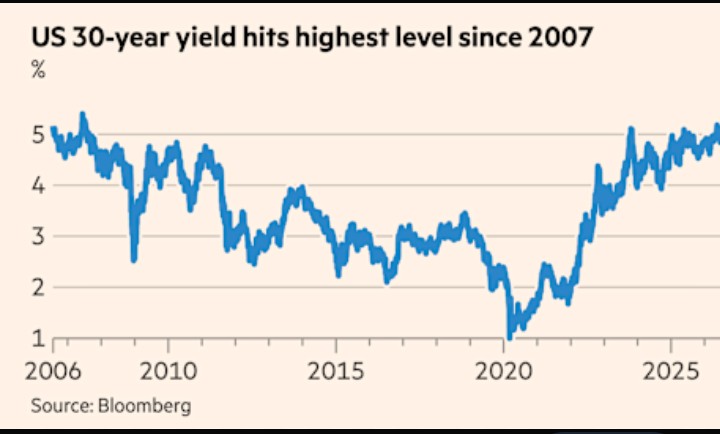
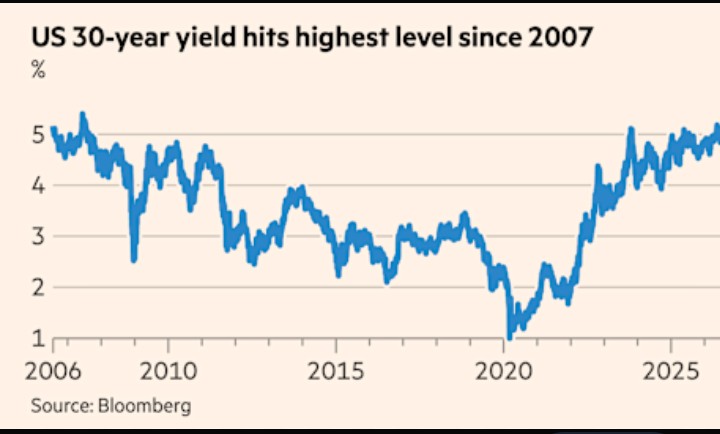
The U.S. Treasury Department on Wednesday announced it will more than double its buybacks of long-dated government debt, a surprise intervention to stem a surge in borrowing costs as the 30-year yield reached its highest level since 2007 . Treasury Secretary Scott Bessent authorized the increase of "liquidity support buyback operations" for 10- to 30-year securities to at least $4 billion per operation, up from $2 billion, effective September 9 through November 4 . The announcement drove the 30-year yield down nearly 10 basis points to 5.185% after it had spiked to 5.34% on Tuesday . The Treasury cited "consistent strong sponsorship" in longer-dated sectors . Analysts view the move as a tactical signal to counter bearish sentiment and manage borrowing costs ahead of November's midterm elections, though Evercore ISI noted it changes little about the underlying fiscal fundamentals given the $39.99 trillion national debt .
By Daniel Hayes | JQJO News
Timeline of Events
- On August 1, 2026, Bessent coordinated with Japan to intervene in currency markets.
- · On August 18, 2026, 30-year Treasury yields spiked to 5.34%, a 19-year high.
- · On August 18, 2026, surging yields prompted a major bond-market selloff.
- · On August 19, 2026, Treasury unexpectedly announced doubling of buyback operations.
- · On August 19, 2026, 30-year yield dropped sharply to 5.185% after announcement.
- · On August 19, 2026, the U.S. dollar index tumbled 0.7% against major currencies.
- · On September 9, 2026, the expanded $4 billion buyback operations are set to begin.
- · On September 10, 2026, a scheduled buyback for 10- to 20-year bonds is due.
- · On September 24, 2026, a buyback for 20- to 30-year bonds is scheduled.
- · In November 2026, U.S. midterm elections could influence fiscal policy decisions.
News Intelligence
- Immediate US impact: Dollar drops, bonds rally as yields fall from 19-year peak.
- Long-term US impact: Surging deficits and debt costs threaten prolonged economic instability.
- Affected groups: Investors, homeowners, taxpayers, and government agencies face higher borrowing costs.
- Reader priority: Track yields, debt clock, and midterm election fiscal policy debates.
- Articles Published:
- 17
- Right Leaning:
- 0
- Left Leaning:
- 0
- Neutral:
- 17
- Distribution:
- Left 0%, Center 100%, Right 0%
Left: Framing emphasizes Treasury intervention to protect economy from Republican deficit spending. Center: Reporting focuses on market mechanics, yield movements, and Treasury's tactical policy action. Right: Framing highlights Bessent's market intervention to shield economy from Biden-era fiscal mismanagement
Bloomberg https://www.bloomberg.com/news/videos/2026-08-19/open-interest-8-19-2026-video
Coverage of Story:
From Left
No left-leaning sources found for this story.
From Center
Treasury Shocks Markets with Massive Bond Buyback
Bloomberg Kucoin Bloomberg Bloomberg Indiatimes Business Standard Theglobeandmail Qz Cnbctv18 Tradingeconomics Indexbox Edgen Ndtvprofit Marketscreener Business Standard Americanbanker AaFrom Right
No right-leaning sources found for this story.

Comments