US Bond Market Crash Risk: 30-Year Yield Hits 19-Year High
PUBLISHED Aug 19, 2026, 12:11 PM ET
Read, Watch or Listen
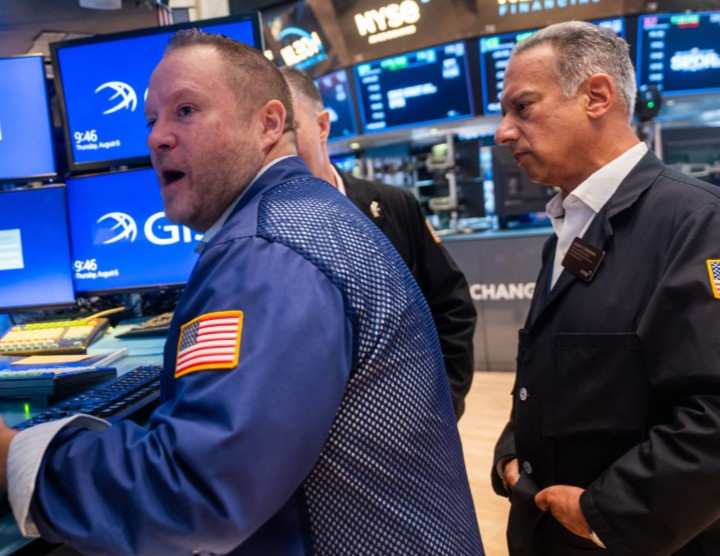
U.S. long-term Treasury yields hit their highest levels in years Tuesday before retreating Wednesday after the Treasury Department announced larger buybacks of longer-dated debt. The 30-year Treasury yield reached 5.327% on Aug. 18, its highest since 2007, while the 10-year yield reached about 4.74%, according to market reports and Treasury data. Investors cited persistent inflation concerns, higher oil prices, heavy government borrowing and increased corporate debt issuance. BTIG strategist Jonathan Krinsky warned that a rapid move toward a 6% 30-year yield could pressure equity valuations, although he did not say such a level would automatically cause a stock-market crash. On Aug. 19, Treasury said it would at least double liquidity-support buybacks to $4 billion per operation for longer-dated nominal securities beginning Sept. 9. Yields subsequently declined. South Korea’s KOSPI also fell sharply Wednesday amid a semiconductor-led sell-off. The episode remains a market-risk story, not evidence of a confirmed bond-market crash.
By Mahnoor A. | JQJO News
Timeline of Events
- May 19, 2026 — On May 19, 2026, Treasury yields reached highest since 2007.
- August 17, 2026 — On August 17, 2026, the 30-year yield closed above 5.3%.
- August 18, 2026 — On August 18, 2026, the 30-year yield reached 5.327% intraday.
- August 18, 2026 — On August 18, 2026, oil prices exceeded $90 amid tensions.
- August 19, 2026 — On August 19, 2026, Treasury announced larger long-end liquidity-support buybacks.
- August 19, 2026 — On August 19, 2026, the 30-year yield fell from Tuesday.
- August 19, 2026 — On August 19, 2026, South Korea's KOSPI fell nearly six.
- Coming days — Over coming days, Treasury auctions will test demand for bonds.
- Coming months — Over coming months, persistent inflation could keep long-term yields elevated.
- Coming years — Over coming years, deficits could sustain higher borrowing costs nationwide.
News Intelligence
- Immediate US impact: Rising yields increase borrowing costs and pressure high-growth stock valuations.
- Possible long-term US impact: Persistently high yields could raise interest costs and slow investment.
- Reader priority: Readers should compare Treasury data, primary statements, and independent reporting.
- Most Affected: Homebuyers, borrowers, technology firms, investors, and federal finances face pressure.
Coverage of Story:
From Left
Cooling UK labour market ‘questions need’ for Bank of England rate hikes; grocery inflation slows to two-year low – as it happened
The Guardian The Daily BeastFrom Center
US 30-year yields hit highest level since 2007 as war, oil worries fester
Reuters Reuters Reuters Wall Street Journal Wall Street Journal Wall Street Journal MarketWatch MarketWatch MarketWatch MarketWatch InvestopediaFrom Right
No right-leaning sources found for this story.





Comments