Canadian Wildfire Smoke Engulfs US Cities, Air Quality Plummets
PUBLISHED Aug 16, 2026, 3:21 PM ET
Read, Watch or Listen
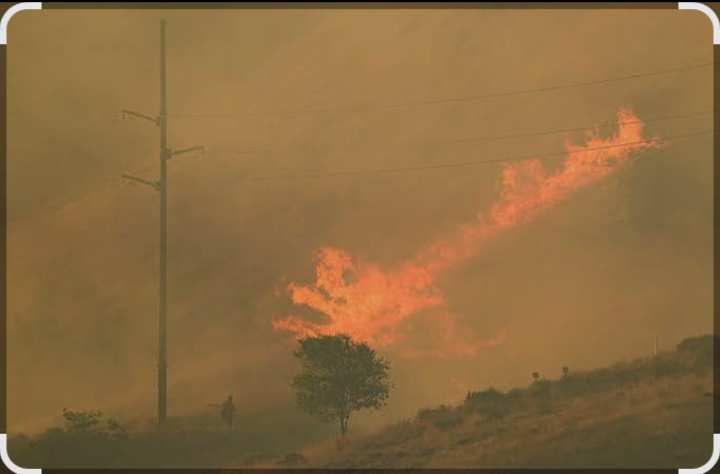
Smoke from hundreds of Canadian wildfires pushed into the U.S. Midwest and Northeast on July 16 and 17, producing unhealthy to hazardous air across population centers. Reuters reported 858 Canadian fires, including 111 uncontrolled, on July 16, while Canadian officials separately reported roughly 2.38 million hectares burned. Detroit recorded an IQAir pollution index of 600, while Chicago reached more than 600 on local monitors. Air-quality alerts covered more than a dozen states and Washington, D.C., with more than 100 million Americans affected, according to ABC News. National Weather Service alerts cited fine particulate pollution from Canadian smoke, including hazardous conditions in Michigan. NASA later documented smoke transport from Ontario into the United States and reported Baltimore-Washington daily PM2.5 near 200 micrograms per cubic meter on July 17. Conditions began improving as storms and changing winds displaced smoke. The supplied claim about 6.4 million U.S. acres belongs to later August reporting.
By Sarah Whitman | JQJO News
Timeline of Events
- On June 2023, Canadian smoke previously caused U.S. air pollution.
- On July 14, 2026, Ontario smoke moved toward northeastern U.S.
- On July 16, 2026, Reuters reported 858 fires, 111 uncontrolled.
- On July 16, 2026, Detroit recorded extremely hazardous pollution readings.
- On July 16, 2026, Chicago closed outdoor facilities amid smoke.
- On July 17, 2026, alerts covered more than dozen states.
- On July 17, 2026, Baltimore-Washington PM2.5 neared 200 micrograms daily.
- On July 17, 2026, storms began helping disperse regional smoke.
- On July 18, 2026, Pennsylvania reported improving air quality Friday.
- On July 20, 2026, forecasts warned smoke could recur August.
- In coming days, changing winds and storms should reduce smoke.
- Over coming months, additional Canadian fires could produce U.S. smoke.
- Over future summers, recurring smoke episodes could pressure air-monitoring systems.
- In future seasons, prolonged heat could increase cross-border smoke exposure.
News Intelligence
- Immediate US impact: Hazardous smoke disrupted health, travel, outdoor activities, and services.
- Possible long-term US impact: Recurring smoke episodes could increase health, economic, and preparedness pressures.
- Reader priority: Official AQI measurements, weather alerts, agency statements, and independently reported developments.
- Most Affected: Children, older adults, respiratory patients, outdoor workers, and Midwestern communities.
- Articles Published:
- 31
- Right Leaning:
- 4
- Left Leaning:
- 15
- Neutral:
- 12
- Distribution:
- Left 48%, Center 39%, Right 13%
Left: Coverage emphasized health risks, climate links, vulnerable populations, and recurring smoke. Center: Coverage emphasized measured pollution, official alerts, affected locations, and changing conditions. Right: Coverage emphasized disruption, government response, public frustration, and cross-border consequences.
On July 16, 2026, CWFIS documented nationwide Canadian wildfire conditions. https://cwfis.cfs.nrcan.gc.ca/maps/fm3?day=17&month=9&type=fwih
Coverage of Story:
From Left
Wildfire smoke makes air unhealthy from the US Midwest to East Coast. Officials say stay inside
Associated Press ABC News CBS Chicago CBS Chicago CBS New York CBS New York CBS Philadelphia CBS Philadelphia The Philadelphia Inquirer The Philadelphia Inquirer NBC10 Philadelphia NBC10 Philadelphia NBC New York WUNC Inside Climate NewsFrom Center
Canadian Wildfire Smoke Engulfs US Cities, Air Quality Plummets
Global News Reuters WTOP News ClickOnDetroit ClickOnDetroit ClickOnDetroit 13abc Wisconsin Watch Ideastream Public Media Michigan Public KPBS Public Media Delaware Public MediaFrom Right
Canadian wildfire smoke invades a dozen states, spreading hazardous air quality, hazy skies to over 124M
FOX Weather FOX Weather FOX 32 Chicago FOX 2 Detroit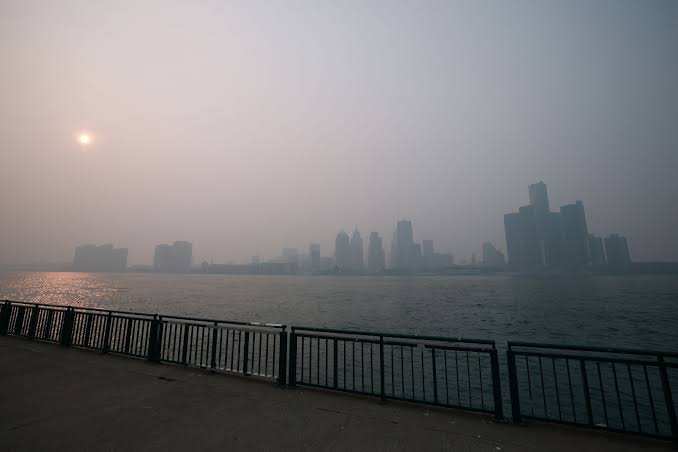





Comments