Iran Rejects Trump's Claim of Restarted Talks Amid High-Stakes Standoff
PUBLISHED Aug 3, 2026, 6:53 AM ET
Read, Watch or Listen
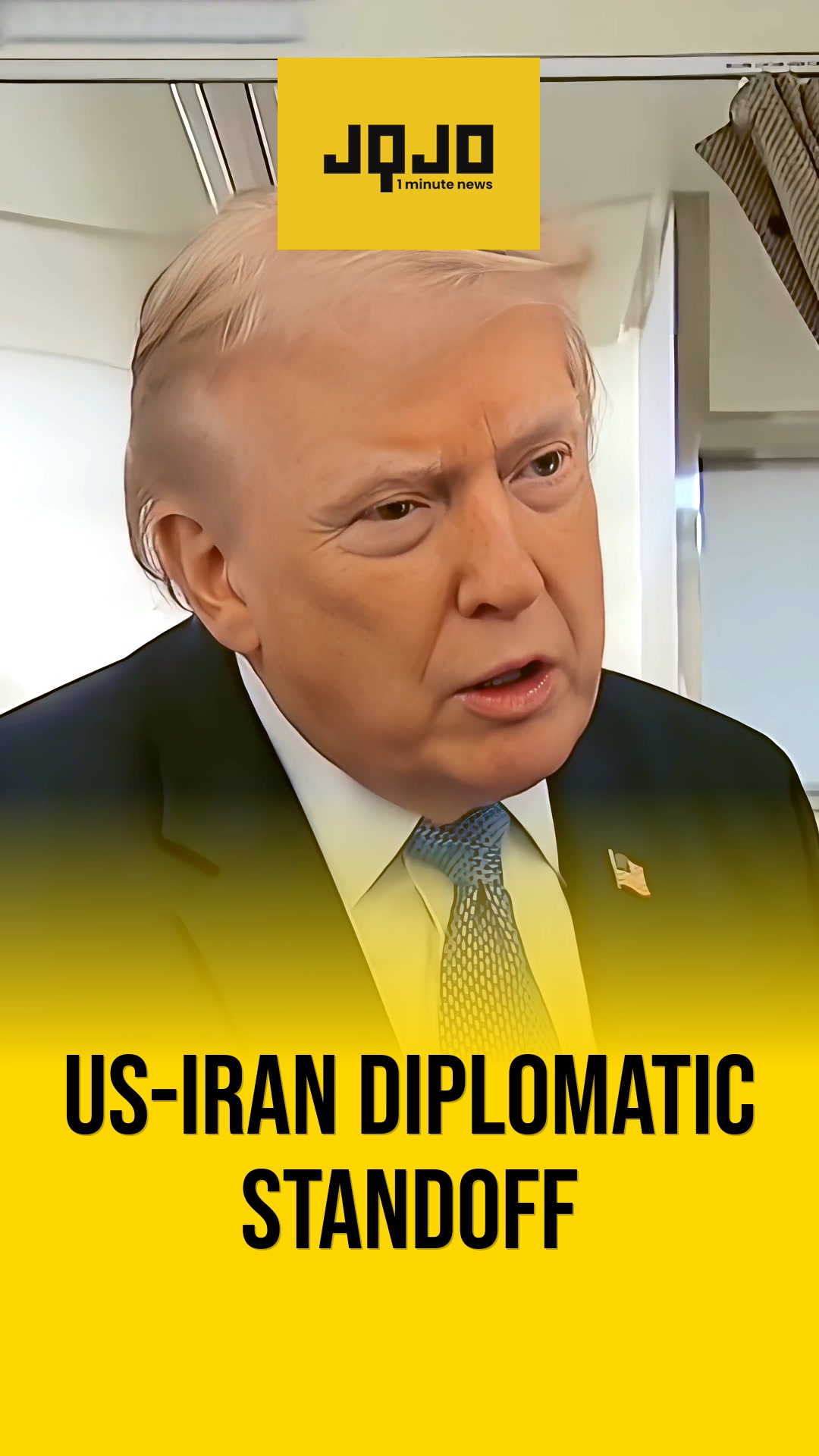
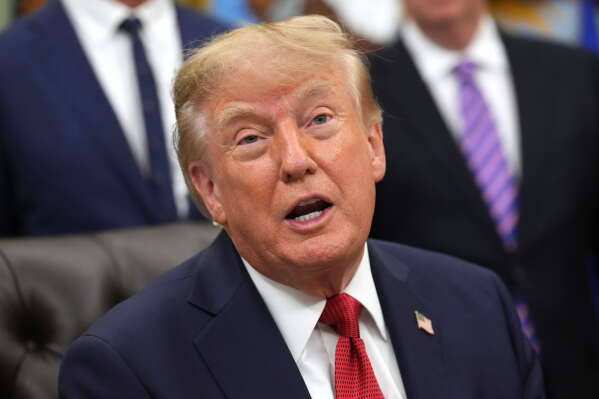
President Donald Trump announced that negotiations between the United States and Iran were scheduled to begin on Monday, following his decision to halt what he described as a plan to launch the largest military strike since World War II against Iranian targets. Speaking to reporters aboard Air Force One while traveling back to Washington from New Jersey, Trump stated that regional allies, including Saudi Arabia, the United Arab Emirates, and Qatar, urged him to hold off on the imminent attacks and instead pursue diplomacy to secure the reopening of the Strait of Hormuz and address Tehran's nuclear program. However, the Iranian government immediately rejected Trump's assertions regarding scheduled negotiations. Iranian Foreign Ministry officials stated that no talks with the United States were planned, directly contradicting the White House timeline. The diplomatic friction follows a volatile weekend of conflicting signals in the ongoing five-month conflict. The war, which escalated significantly in late February with joint U.S. and Israeli operations against Iranian infrastructure, has severely disrupted global shipping lanes and sent energy markets into turbulence. Trump previously asserted that he paused the military campaign to give peace a chance after receiving appeals from Middle Eastern leaders who expressed confidence that a comprehensive framework could be reached. Despite these claims, Tehran maintained a defiant stance regarding control over the strategic Strait of Hormuz, asserting that maritime security arrangements must be conducted through bilateral talks with regional neighbors like Oman rather than under U.S. dictation. Energy markets reacted sharply to the shifting diplomatic signals, with oil prices experiencing significant volatility as investors weighed the prospect of a lasting diplomatic breakthrough against the growing risk of renewed military strikes. Military analysts and regional observers note that the fragile pause remains vulnerable
By Najma A. | JQJO News
Timeline of Events
- On February 24, 2026, the United States launched massive strikes.
- On March 25, 2026, Iran rejected a formal peace proposal.
- On May 24, 2026, officials neared a broad peace agreement.
- On July 24, 2026, tensions remained high across the region.
- On August 2, 2026, Donald Trump paused planned military strikes.
- On August 3, 2026, Trump announced scheduled diplomatic peace talks.
- On August 3, 2026, Iran publicly rejected upcoming negotiation claims.
- By late August 2026, energy markets may experience extreme volatility.
- Throughout September 2026, direct military confrontation risks could increase sharply.
- By early 2027, diplomatic stalemates might trigger renewed regional escalation.
News Intelligence
- Energy markets face immediate price volatility following conflicting diplomatic announcements.
- Prolonged Middle East conflict could drive sustained domestic inflation pressures.
- Energy investors and domestic consumers face heightened financial market uncertainty.
- Prioritize official breaking statements from defense and foreign ministry spokespersons.
- Articles Published:
- 19
- Right Leaning:
- 0
- Left Leaning:
- 5
- Neutral:
- 14
- Distribution:
- Left 26%, Center 74%, Right 0%
Critics highlight administration unpredictability and risks of escalating foreign conflicts. Reports focus strictly on conflicting statements between Washington and Tehran. Supporters emphasize strong presidential leadership and necessary pressure on adversaries.
The Washington Post reported Trump's announcement on August 3, 2026. https://www.washingtonpost.com/world/2026/08/03/mideast-iran-us-israel-palestinians-gaza/30f29ee0-8f21-11f1-9fdc-0a725c989a7b_story.html
Coverage of Story:
From Left
Trump says Iran talks set for Monday as Tehran and Oman discuss strait of Hormuz deal
The Guardian Al Jazeera The Guardian The Guardian Al JazeeraFrom Center
Trump says talks on Iran war will begin on Monday after he holds off on 'massive' strikes
The Washington Post The Hindu Kurdistan24 El País Associated Press The Washington Post The Washington Post The Hindu Kurdistan24 Kurdistan24 El País Associated Press ANI News The Times of IsraelFrom Right
No right-leaning sources found for this story.

Comments