Western U.S. Heatwave and National Preparedness Level 5 Wildfires
Read, Watch or Listen

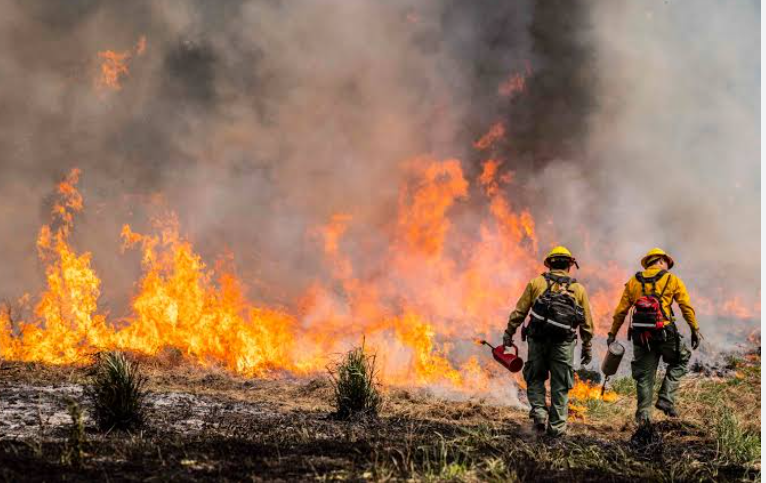
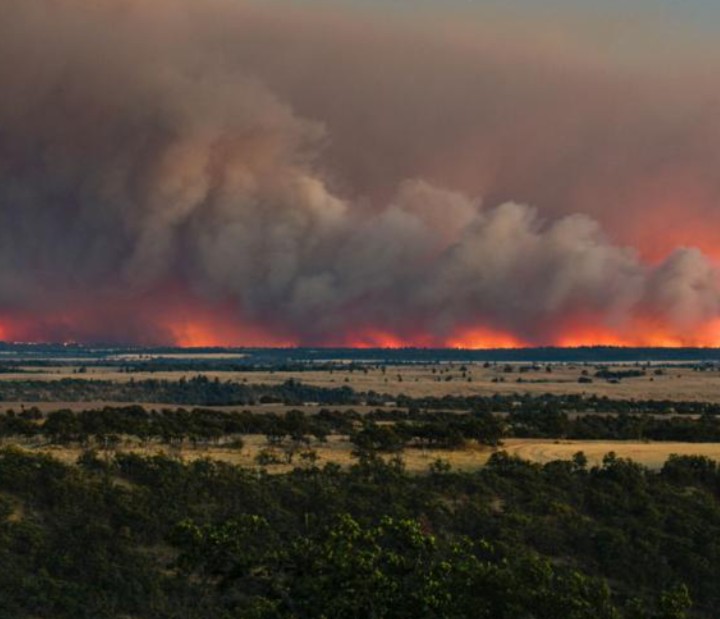
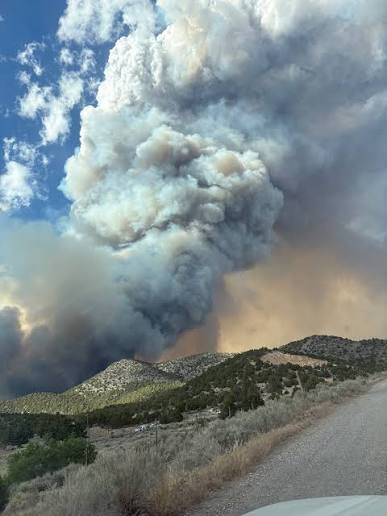
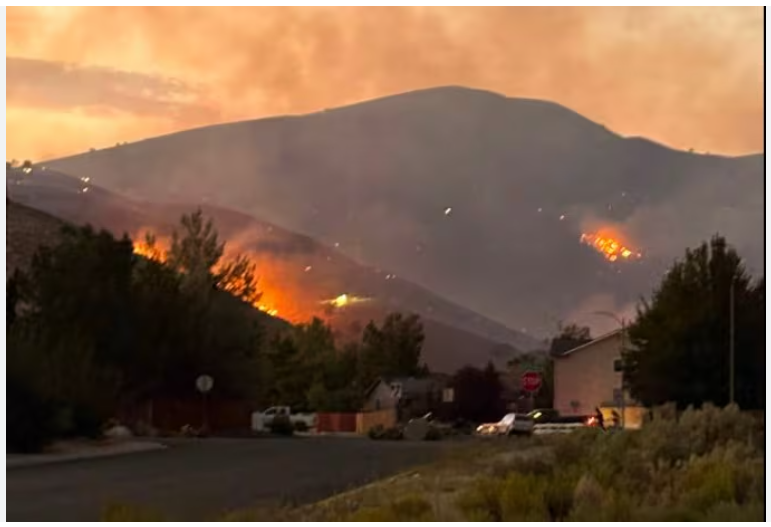
A blistering heatwave sweeping across the western United States has escalated extreme fire conditions, keeping the national preparedness level at its highest stage, Level 5. Temperatures in parts of California, Arizona, Nevada, and Utah are forecast to reach up to 49 degrees Celsius. The National Interagency Fire Center confirmed that the U.S. wildfire season remains severely strained, with 45,835 fires having burned over 5.2 million acres. In Washington state, a complex of fast-moving fires near Spokane has burned over 5,200 acres, destroying approximately 600 structures and forcing 5,000 homes under evacuation orders. Washington Governor Bob Ferguson declared a state of emergency. In Oregon, the Big Grass Fire in Malheur County has expanded to 288,120 acres and remains only 5 percent contained. Additional major incidents, including the Crosswhite and Coleman Creek fires, continue to burn unchecked across hundreds of thousands of acres. State officials report that firefighting resources are heavily stretched thin due to low humidity, high winds, and tinder-dry landscapes.
Prepared by Olivia Bennett and reviewed by editorial team.
Timeline of Events
- TIMELINE
- On July 15, 2026, prolonged drought conditions intensified across multiple western states due to low snowpack.
- On July 25, 2026, forecasters warned of an impending severe heat dome across the western United States.
- On August 1, 2026, temperatures climbed toward record levels as severe low humidity and powerful winds began.
- On August 1, 2026, the Guardian published initial reporting on worsening hazardous fire conditions across the West.
- On August 2, 2026, Washington Governor Bob Ferguson officially declared a state of emergency over growing fires.
- On August 2, 2026, fast-moving fires near Spokane forced 60,000 residents to evacuate their homes immediately.
- On August 2, 2026, authorities confirmed that at least 600 structures had been destroyed by active blazes.
- On August 3, 2026, roughly 4,000 firefighters continued battling dozens of uncontained major wildfires across Washington state.
- On August 3, 2026, federal disaster support teams arrived to assist local emergency responders stretched past limits.
- On August 3, 2026, extreme winds are predicted to further accelerate fire spread through steep local canyons.
- By autumn 2026, recovery costs for destroyed communities are expected to strain state emergency relief funds.
- By late 2026, legislators will likely debate expanded federal funding allocations for western wildland management programs.
News Intelligence
- Western wildfires force mass evacuations and threaten critical infrastructure statewide.
- Severe climate patterns will permanently reshape western disaster response and infrastructure resilience.
- Spokane residents, local firefighters, displaced homeowners, and regional utility providers.
- Prioritize verified emergency alerts from official state and local public safety agencies.
- Articles Published:
- 23
- Right Leaning:
- 1
- Left Leaning:
- 5
- Neutral:
- 17
- Distribution:
- Left 22%, Center 74%, Right 4%
Left: Emphasizes climate change as the primary driver of extreme western heat and destructive fires. Center: Focuses strictly on immediate emergency response, evacuation logistics, and acreage totals. Right: Emphasizes local resource management constraints and state-level emergency preparedness failures.
Triggered by Guardian report on August 2, 2026, detailing western wildfire escalations. https://www.theguardian.com/us-news/2026/aug/01/heatwave-us-west-hazardous-fire-conditions
Coverage of Story:
From Left
Heatwave scorching western US ups risk of hazardous fire conditions
The Guardian CNN Washington Post The New York Times Los Angeles TimesFrom Center
Western U.S. Heatwave and National Preparedness Level 5 Wildfires
The Guardian / National Interagency Fire Center PBS NewsHour Associated Press China Daily Asia Arab News Saudi Press Agency Reuters NBC News ABC News CBS News Bloomberg USA Today Weather Channel Politico Seattle Times Spokesman-Review OregonianFrom Right
Western heatwave fuels massive wildfires as thousands flee homes in Washington state
Fox News

Comments