Washington Supreme Court lets Arkansas voter aid limits stand
PUBLISHED Jun 22, 2026, 11:43 AM ET
Read, Watch or Listen
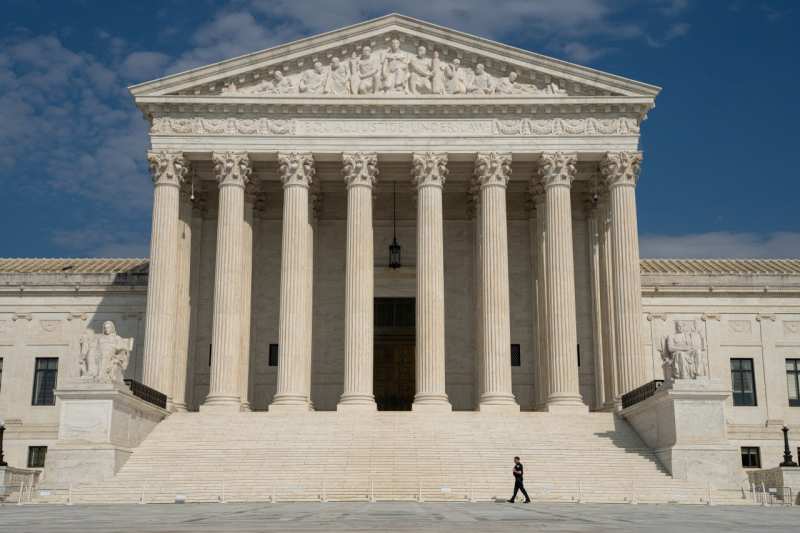
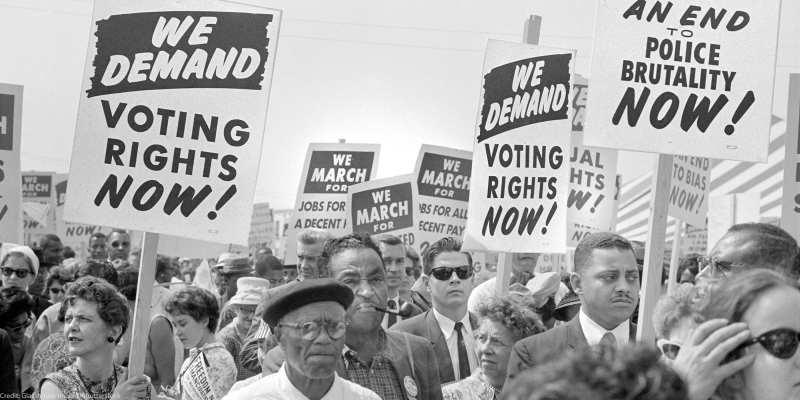
Washington, United States — The U.S. Supreme Court on June 22, 2026, declined to review a legal challenge to an Arkansas law that makes it a crime to assist more than six voters at the polls. By denying a petition for a writ of certiorari, the Court allowed to stand a ruling by the U.S. Court of Appeals for the Eighth Circuit that sharply narrows who can enforce Section 208 of the Voting Rights Act of 1965. That federal provision is intended to protect voters who need help casting a ballot because of physical disabilities, blindness, or difficulty reading or writing English. Washington, United States — Under the Eighth Circuit’s interpretation, only the U.S. Department of Justice may bring lawsuits to enforce Section 208, excluding private individuals and civil rights organizations from filing such cases. The ruling applies in seven states within the Eighth Circuit’s jurisdiction—Arkansas, Iowa, Minnesota, Missouri, Nebraska, North Dakota, and South Dakota—and it has immediate legal consequences for millions of voters who rely on assistance at the polls. In those states, private citizens and non-profit groups can no longer use Section 208 to challenge state-level laws that restrict voter assistance, including the Arkansas statute at issue in the underlying lawsuit brought by MALDEF and other civil rights organizations.
By Najma A. | JQJO News
Timeline of Events
- 1965 Voting Rights Act enacted, including Section 208
- Arkansas passes law limiting voter assistance
- MALDEF files suit challenging Arkansas assistance cap
- Eighth Circuit rules on private enforcement limits
- Eighth Circuit bars private Section 208 lawsuits
- June 22, 2026 Supreme Court denies Arkansas certiorari
- June 22, 2026 Ruling immediately binds seven states
- After decision only DOJ can enforce Section 208
News Intelligence
- This ruling affects voters in seven states. If you need help at the polls due to physical disabilities, blindness, or language barriers, it's now harder to challenge laws that limit assistance. Non-profits and private citizens can't use Section 208 to fight these restrictions anymore.




Comments