Voting Rights Act Faces Two Major Legal Challenges
PUBLISHED Oct 13, 2026, 8:14 AM ET
Read, Watch or Listen
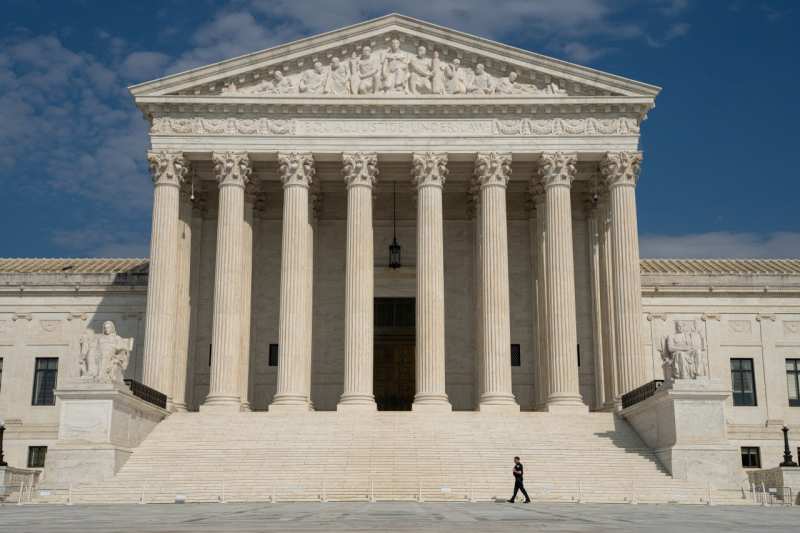
The Voting Rights Act of 1965, signed by President Lyndon B. Johnson, outlawed discriminatory voting practices and secured minority voting rights. Over the decades, Congress amended the law five times— in nineteen seventy, nineteen seventy‑five, nineteen eighty‑two, nineteen ninety‑two, and two thousand‑six—to strengthen its protections. In nineteen eighty‑two, the Supreme Court upheld the Act’s Section 4(b) formula, ensuring continued federal oversight. Yet in nineteen ninety‑two, the Court narrowed the Act’s reach, limiting pre‑clearance requirements. More recently, in nineteen twenty‑three, the Court struck down Section 2, removing a key safeguard against discriminatory voting practices. These rulings have sparked debate over the future of federal voting protections and the role of the judiciary in safeguarding civil rights. The legal battles underscore the fragility of voting rights in the United States and the need for renewed legislative action.
By Claire D. | JQJO News
Timeline of Events
- On August 6 1965 President Johnson signs Voting Rights Act into law.
- 1992 — Court narrows Section two, limiting anti‑discrimination safeguards
- 2023 — Supreme Court strikes down Section two, ending key protection
News Intelligence
- Immediate US impact: U.S. readers following Politics news get a clear update on: Voting Rights Act Faces Two Major Legal Challenges.
- Possible long-term US impact: Shapes near-term follow-up coverage and reader understanding of how this story may develop.
- Most affected groups: General news audiences, people directly named in the reporting, and readers tracking this beat.
- Reader priority: High for readers already following this storyline; moderate for a general U.S. audience.
Coverage of Story:
From Left
No left-leaning sources found for this story.
From Right
No right-leaning sources found for this story.



Comments