Florida sloth deaths raise zoonotic pandemic concerns
PUBLISHED Jun 7, 2026, 6:32 AM ET
Read, Watch or Listen

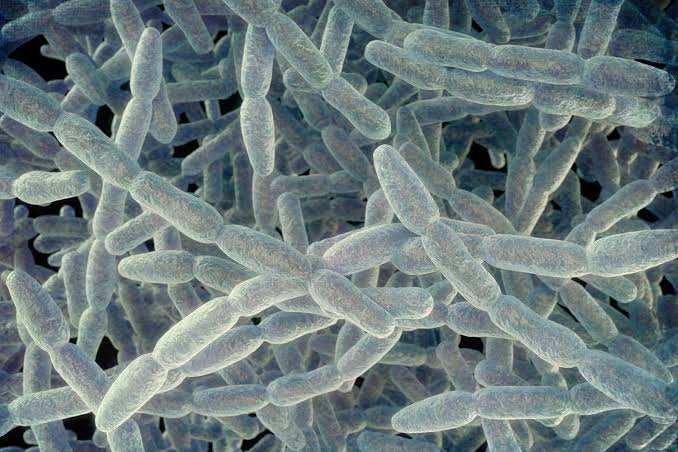
Florida pathologists examining deceased sloths from a planned tourist attraction called "Sloth World" have identified a broad array of pathogens, including pneumonia, parasites, bacteria, and viruses, in the animals’ tissues and organs. The facility, which authorities closed before it opened to the public, had already drawn state scrutiny over its treatment and housing of imported wildlife. Necropsy records and state inspection reports describe the sloths in severe physical distress prior to death, with distended stomachs, matted diarrhea, and other signs of poor health that indicate prolonged suffering and inadequate care during captivity and transport. Florida’s findings are now being cited by wildlife scientists, epidemiologists, and veterinary pathologists as a significant public health warning that extends beyond this single case. Experts say the episode underscores how conditions common in the legal wildlife trade, including long international journeys and stressful warehouse or holding environments, can enable a wide range of zoonotic pathogens to accumulate and spread among animals. They argue that the situation documented at the Florida site illustrates how such facilities can become reservoirs for diseases that may move from wildlife to humans, highlighting the need for stricter oversight and stronger biosecurity measures.
By Lauren Mitchell | JQJO News
Timeline of Events
- Earlier this year, Florida inspectors review facility
- Earlier this year, Sloth World closes pre-opening
- Following closure, necropsies conducted on sloths
- Subsequent examinations find pneumonia and parasites
- Subsequent tests detect multiple bacterial and viral pathogens
- Recent state reports document severe animal distress
- Recently, experts warn of zoonotic spillover risks
- Today, incident underscores legal wildlife trade dangers
News Intelligence
- The Florida sloth case is a health wake-up call. It shows how legal wildlife trade can spread diseases from animals to humans. This is a risk not just for those handling wildlife, but potentially for anyone visiting such facilities. Stay informed about the health and safety practices of wildlife attractions you plan to visit.



Comments