U.S. Grid Blackout Risk Soars as Heat Wave Peaks
Tap title to read story
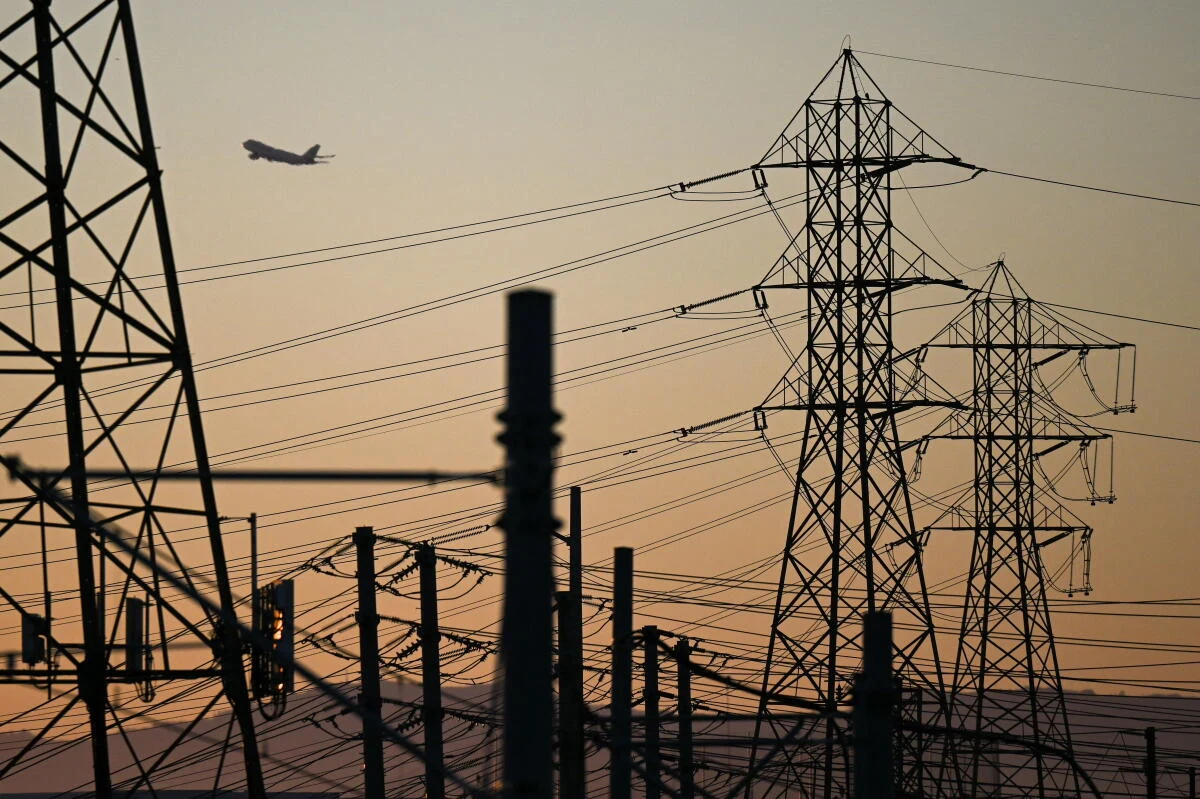
The United States Department of Energy authorized PJM Interconnection to activate backup generation resources as an intense heat wave elevated power outage risks across the Midwest and Mid-Atlantic regions. Operating the nation's largest electrical grid, PJM serves sixty-seven million customers from Washington, D.C. to Chicago. Simultaneously, the Midcontinent Independent System Operator projected peak electricity demand to approach one hundred twenty-one gigawatts. Temperatures across multiple major metropolitan areas surpassed ninety degrees Fahrenheit, driving unprecedented residential and commercial air conditioning utilization. In response to potential supply deficits, rural Missouri utilities urged consumers to raise thermostat setpoints and disconnect non-essential appliances. Grid operators coordinated emergency inter-regional power transfers and deployed peaking units to maintain reserve margins. The severe weather event highlights acute vulnerabilities in regional resource adequacy as extreme temperatures coincide with peak summer load constraints across legacy transmission infrastructure.
Timeline
- On June 15, 2024, meteorologists forecasted severe summer heat waves impacting central states.
- On July 10, 2024, regional transmission organizations announced proactive summer grid preparedness protocols.
- On August 20, 2024, elevated temperatures triggered early voluntary consumer conservation alerts.
- On September 1, 2026, midday temperatures across Midwest cities exceeded ninety degrees Fahrenheit.
- On September 2, 2026, MISO projected peak demand approaching one hundred twenty-one gigawatts.
- On September 2, 2026, the Department of Energy issued emergency PJM generator authorizations.
- On September 2, 2026, Missouri utilities advised customers to unplug unused electrical appliances.
- On September 3, 2026, grid operators continue monitoring reserve margins amid sustained high temperatures.
- On September 4, 2026, forecasters expect declining temperatures to alleviate regional transmission grid stress.
- On September 5, 2026, utilities will evaluate system performance and review emergency resource deployment data.
Sources
JQJO Editorial Desk · Human reviewed · AI assisted. Report a correction.