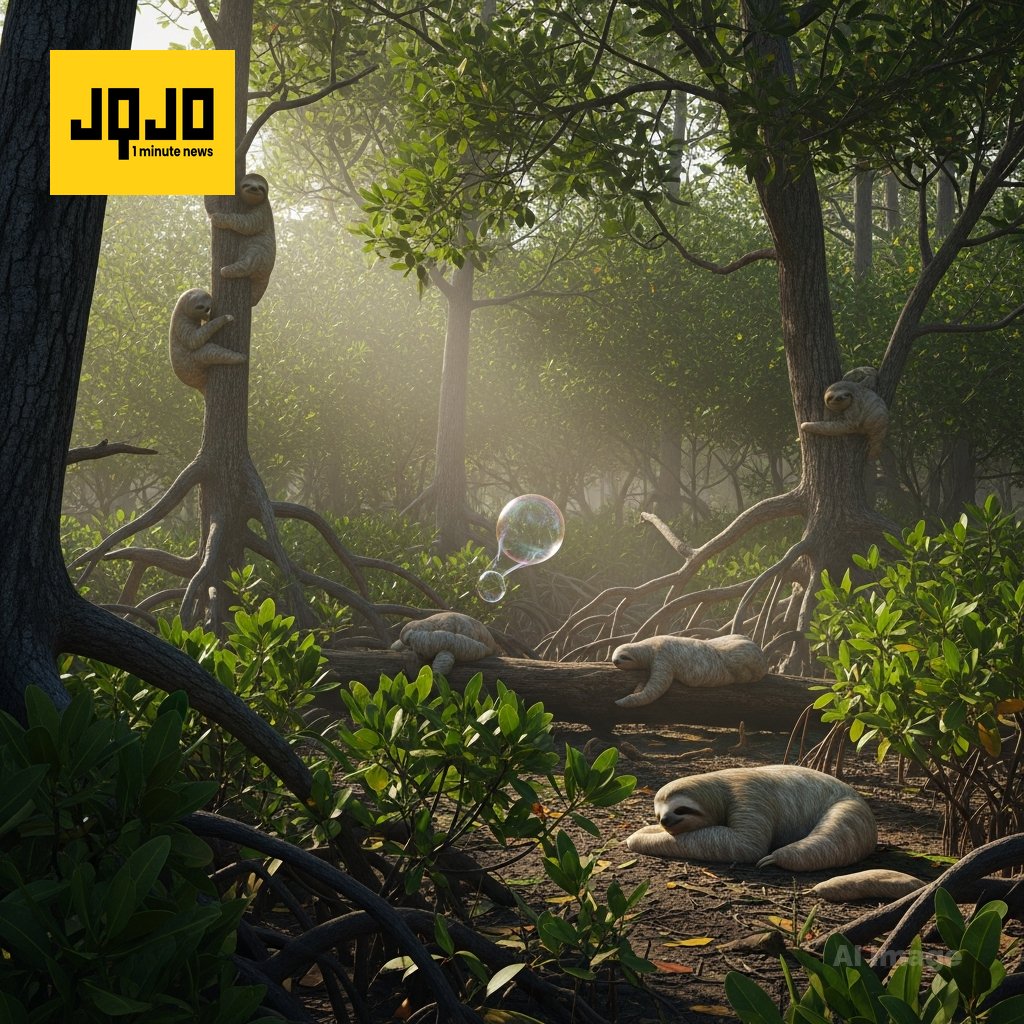
Florida pathologists examining deceased sloths from a planned tourist attraction called "Sloth World" have identified a broad array of pathogens, including pneumonia, parasites, bacteria, and viruses, in the animals’ tissues and organs. The facility, which authorities closed before it opened to the public, had already drawn state scrutiny over its treatment and housing of imported wildlife. Necropsy records and state inspection reports describe the sloths in severe physical distress prior to death, with distended stomachs, matted diarrhea, and other signs of poor health that indicate prolonged suffering and inadequate care during captivity and transport. Florida’s findings are now being cited by wildlife scientists, epidemiologists, and veterinary pathologists as a significant public health warning that extends beyond this single case. Experts say the episode underscores how conditions common in the legal wildlife trade, including long international journeys and stressful warehouse or holding environments, can enable a wide range of zoonotic pathogens to accumulate and spread among animals. They argue that the situation documented at the Florida site illustrates how such facilities can become reservoirs for diseases that may move from wildlife to humans, highlighting the need for stricter oversight and stronger biosecurity measures.
Prepared by Olivia Bennett and reviewed by editorial team.
佛罗里达树懒事件是一个健康警钟。它表明合法的野生动物贸易如何将疾病从动物传播给人类。这不仅对处理野生动物的人构成风险,也可能对任何参观此类设施的人构成风险。及时了解您计划参观的野生动物景点的健康和安全措施。
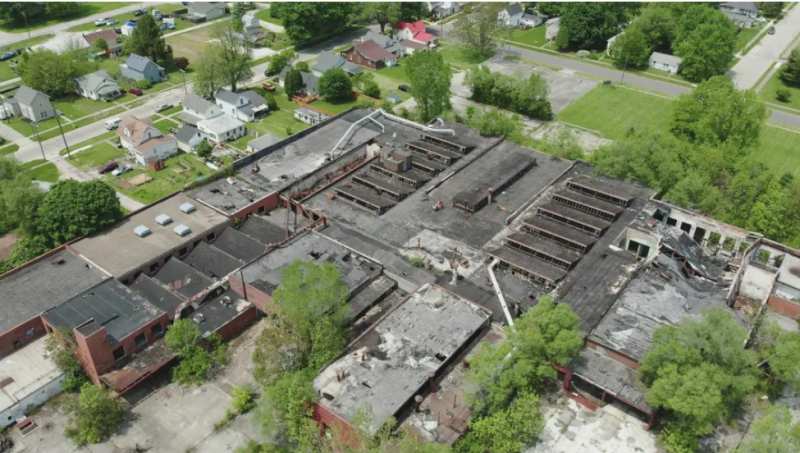
“树懒世界”事件凸显了加强野生动物贸易监管的必要性。这提醒我们,动物健康可能直接影响人类健康。如果你认识热爱参观野生动物景点的人,值得转发。
源文件中未指定。
未在源中指定。
No left-leaning sources found for this story.
No right-leaning sources found for this story.
Comments