BUSINESS
SpaceX 星舰火箭写入历史 — 1.75 万亿美元的 IPO 已势不可挡
PUBLISHED May 23, 2026, 10:27 AM ET
Read, Watch or Listen
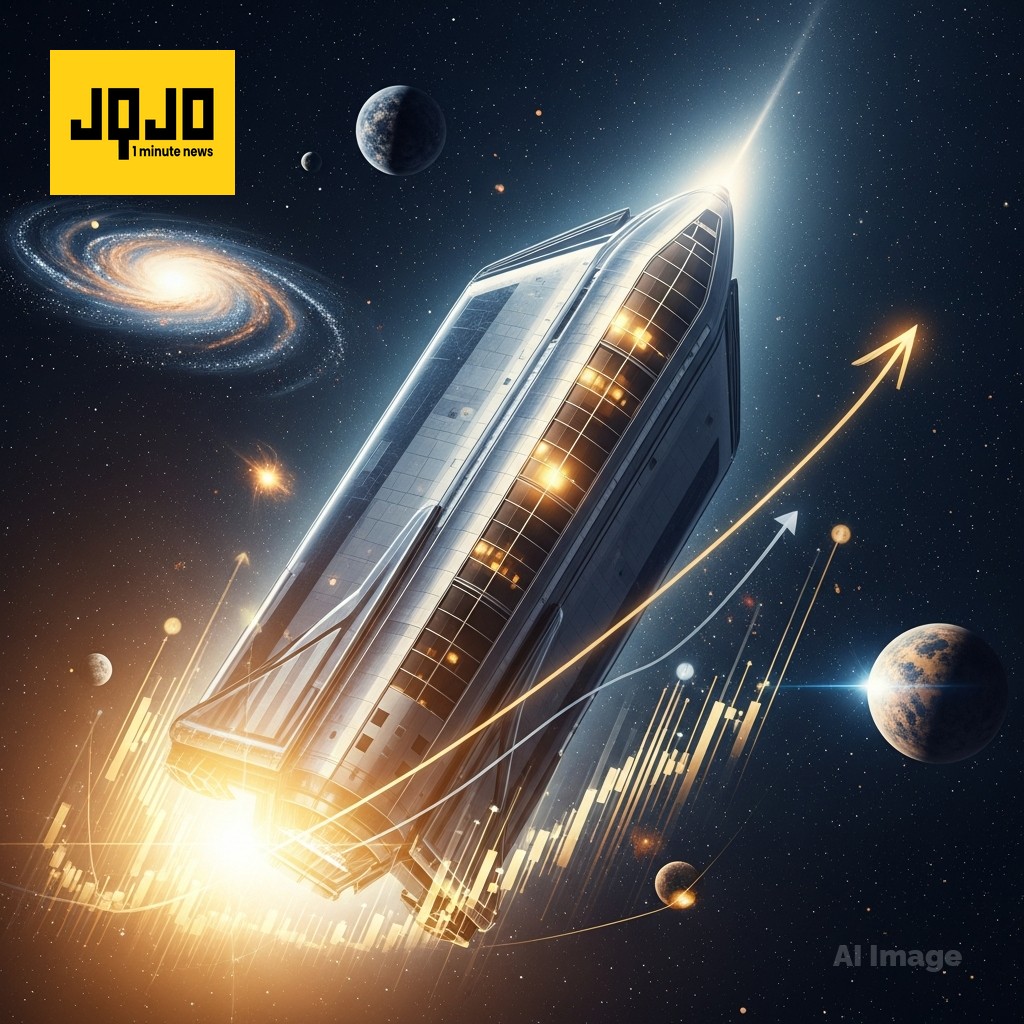
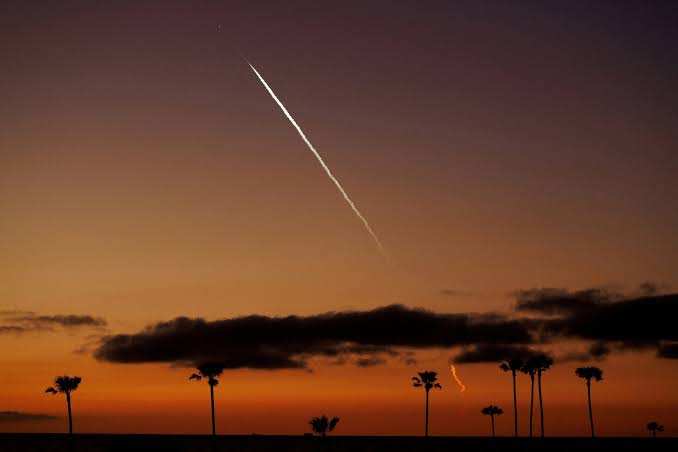
得克萨斯州布朗斯维尔 — SpaceX 于周五从其位于德克萨斯州南部、靠近墨西哥边境的星港发射了升级版的星舰 V3 大型火箭,这是该火箭的第 12 次试飞,也是首次从新的发射台发射。第三代星舰是该公司迄今为止最大、最强大的火箭,高 407 英尺(124 米),在前一晚因发射台问题导致发射取消后,该火箭终于升空。它搭载了 20 颗星链卫星模型,其中包括两颗经过改装、配备摄像头的模型,这些模型传回了罕见的飞行中画面。火箭向东飞行至约 120 英里(194 公里)的高度,并在大约一小时的、跨越半个地球的飞行中途释放了有效载荷。 尽管助推器和上级发动机都出现了问题,并且在尝试回收点火时部分发动机未能点燃,但航天器仍保持了可控飞行。助推器坠入墨西哥湾,而星舰试验飞行器则垂直下降,朝着预定目标印度洋下降,落地时翻覆并爆炸起火,任务以故意不可回收的方式结束。SpaceX 将此次结果描述为与本次试验的目标一致。美国宇航局(NASA)向 SpaceX 支付了数十亿美元,以开发星舰作为其阿尔忒弥斯计划的月球着陆器,并密切关注了此次试验。 administrador Jared Isaacman 参加了发射,并表示此次飞行使星舰更接近于支持未来的月球任务。
By Noormahi M. | JQJO News
Timeline of Events
- 去年“中途星舰”爆炸,大西洋碎片四散
- 2025 年 10 月,旧版“星舰”最终型号发射
- 周四晚,最后一刻的发射台问题推迟了起飞
- 周五,升级版“星舰 V3”成功起飞
- 飞行过程中,部署了二十颗“星链”模型卫星
- 约一小时后,“星舰”重返印度洋上空
- 撞击时,飞行器撞击时燃起熊熊大火
- 着陆后,NASA 重申对“阿耳忒弥斯计划”中“星舰”的依赖
News Intelligence
- SpaceX 的星舰测试为未来的月球任务铺平了道路。这可能意味着太空行业就业机会的增加,并促进当地经济发展。如果您对此感兴趣,请关注 SpaceX 和其他太空公司的招聘趋势。


Comments