U.S. Imposes Sanctions on Cuban Leadership and Agencies
Tap title to read story
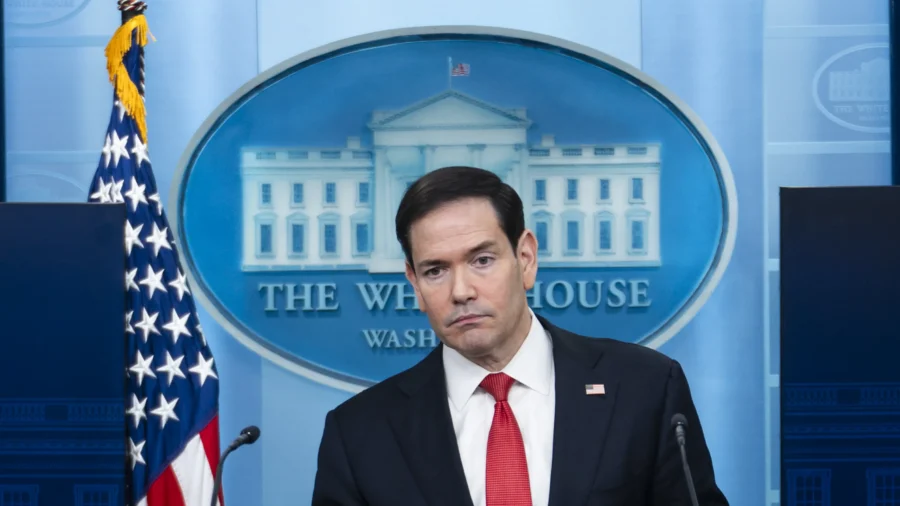
Washington — The United States on May 18 imposed sanctions on multiple Cuban officials and government agencies, the Treasury Department and Secretary of State Marco Rubio announced, targeting senior political and military figures and intelligence bodies accused of repressing protesters and threatening U.S. national-security interests, including officials such as Mayra Arevich Marin and Juan Esteban Lazo Hernandez.
The designations aim to increase pressure on Cuba’s communist government and were described by U.S. officials as measures to curb oil flows from Venezuela and Mexico, tighten economic restrictions and punish repression; this week Justice Department preparations to seek an indictment of former leader Raúl Castro were also reported, heightening prospects of further diplomatic strain.
More context
Timeline
- 1. Early-year: Military action in Venezuela increases regional tensions and draws U.S. attention to Cuba’s role.
- 2. Following that operation: U.S. officials publicly warn Cuba and threaten punitive measures.
- 3. May 18: U.S. Treasury and senior U.S. officials announce sanctions targeting Cuban officials and agencies.
- 4. Shortly after: Reports indicate the Justice Department is preparing to seek an indictment of Raúl Castro.
- 5. Consequent period: Sanctions affect fuel flows and increase diplomatic strain between Washington and Havana.
Why it matters
These sanctions on Cuba can affect your pocket. They might lead to higher gas prices as oil flows from Venezuela and Mexico are curbed. If you're planning a trip to Cuba, expect tighter restrictions. Keep an eye on travel advisories.
Sources
JQJO Editorial Desk · Human reviewed · AI assisted. Report a correction.