U.S. and Iran Exchange Strikes Near Hormuz Strait
PUBLISHED May 7, 2026, 11:24 PM ET
Read, Watch or Listen
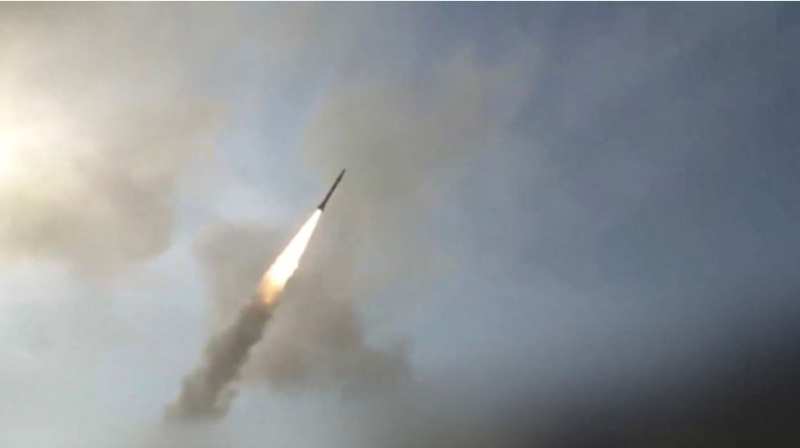
Washington — On May 7–8 U.S. forces reported intercepting what they characterized as unprovoked Iranian attacks on three Navy destroyers transiting the Strait of Hormuz and responded with self-defense strikes; Iran's Khatam al-Anbiya Central Headquarters countered that U.S. forces attacked two Iranian vessels and civilian areas in Hormozgan province, and that Iranian forces immediately retaliated. Tehran and Washington issued conflicting statements this week: President Donald Trump posted that the destroyers were undamaged, warned Iran to sign a deal quickly, and said U.S. forces had inflicted heavy damage, while Iranian spokesmen described significant damage to U.S. vessels and civilian impacts; official statements on May 7–8 left the ceasefire status contested and raised regional tensions.
By Neha R. | JQJO News
Aggregated From:
Timeline of Events
- May 7: U.S. Central Command reports interceptions of Iranian attacks on destroyers.
- May 7: President Trump posts warnings and urges Iran to sign a deal quickly.
- May 7–8: Iran's Khatam al-Anbiya HQ accuses U.S. of attacking two Iranian vessels and civilian areas.
- May 8: Iran reports it retaliated, claiming damage to U.S. vessels east of Hormuz and near Chabahar.
- May 8: Conflicting official accounts leave the ceasefire status contested and tensions elevated.
News Intelligence
- This situation could affect global oil prices. The Strait of Hormuz is a key oil shipping route. If tensions escalate, it could disrupt oil supplies and drive up prices at the pump. Keep an eye on gas prices in your area.
Coverage of Story:
From Left
Trump says no damage done to U.S. destroyers, urges Iran to sign deal fast
english.news.cn english.news.cn



Comments