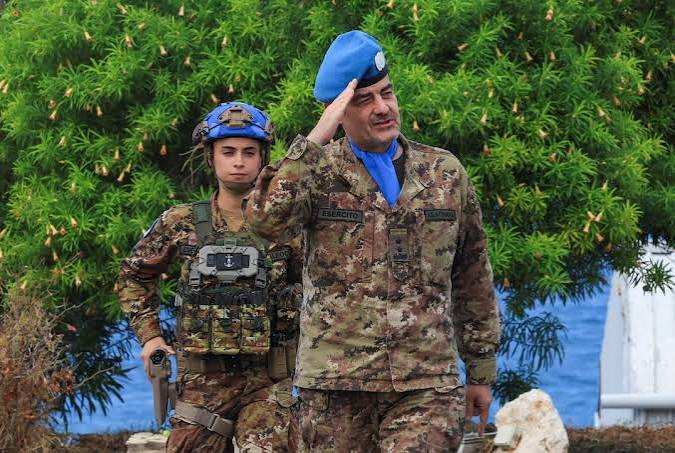
Lebanon is seeing cautious and uneven returns of displaced residents following a 10-day ceasefire with Israel that took effect on April 16, 2026, according to Reuters. Some families have begun making their way back to southern Lebanon and Beirut’s southern suburbs, transporting belongings on car roofs and attempting to re-enter neighborhoods they fled during the fighting. They are finding widespread destruction, including destroyed houses, ruined streets, broken bridges and areas that remain effectively unliveable. The fragile truce has not eased the concerns of many others, who continue to stay away because they fear renewed violence and doubt the durability of the ceasefire. Lebanese authorities have warned civilians against rushing home, stressing that security risks persist and that damaged roads and demolished bridges complicate safe movement back to affected areas. The Lebanese army has urged people to wait until conditions stabilize further and infrastructure is assessed, underscoring that the current pause in hostilities does not amount to a final peace deal. On the Israeli side, some officials argue the ceasefire was premature, saying Israel’s campaign against Hezbollah is not complete. Israel has released a map showing a new deployment line in southern Lebanon and maintains a 5–10 km buffer zone there, where its forces continue operations to dismantle Hezbollah infrastructure.
Prepared by Emily Rhodes and reviewed by editorial team.
黎巴嫩与以色列停火影响全球稳定。这可能会影响油价,进而影响你的汽油费用。请留意新闻更新。如果你在该地区有家人或朋友,请与他们联系。
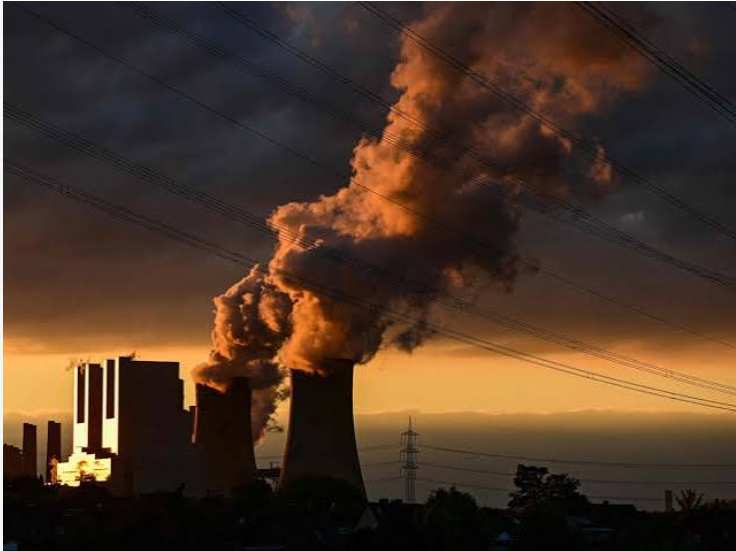
停火正在维持,但局势依然脆弱。基础设施损坏严重,许多人担心暴力会再次爆发。以色列继续针对真主党展开行动。如果您认识与该地区有联系的人,值得转发。
未在源中指定。
未在源中指定。
No left-leaning sources found for this story.
No right-leaning sources found for this story.
Comments