U.S. Navy begins blockade of Strait of Hormuz
PUBLISHED Apr 12, 2026, 9:48 AM ET
Read, Watch or Listen
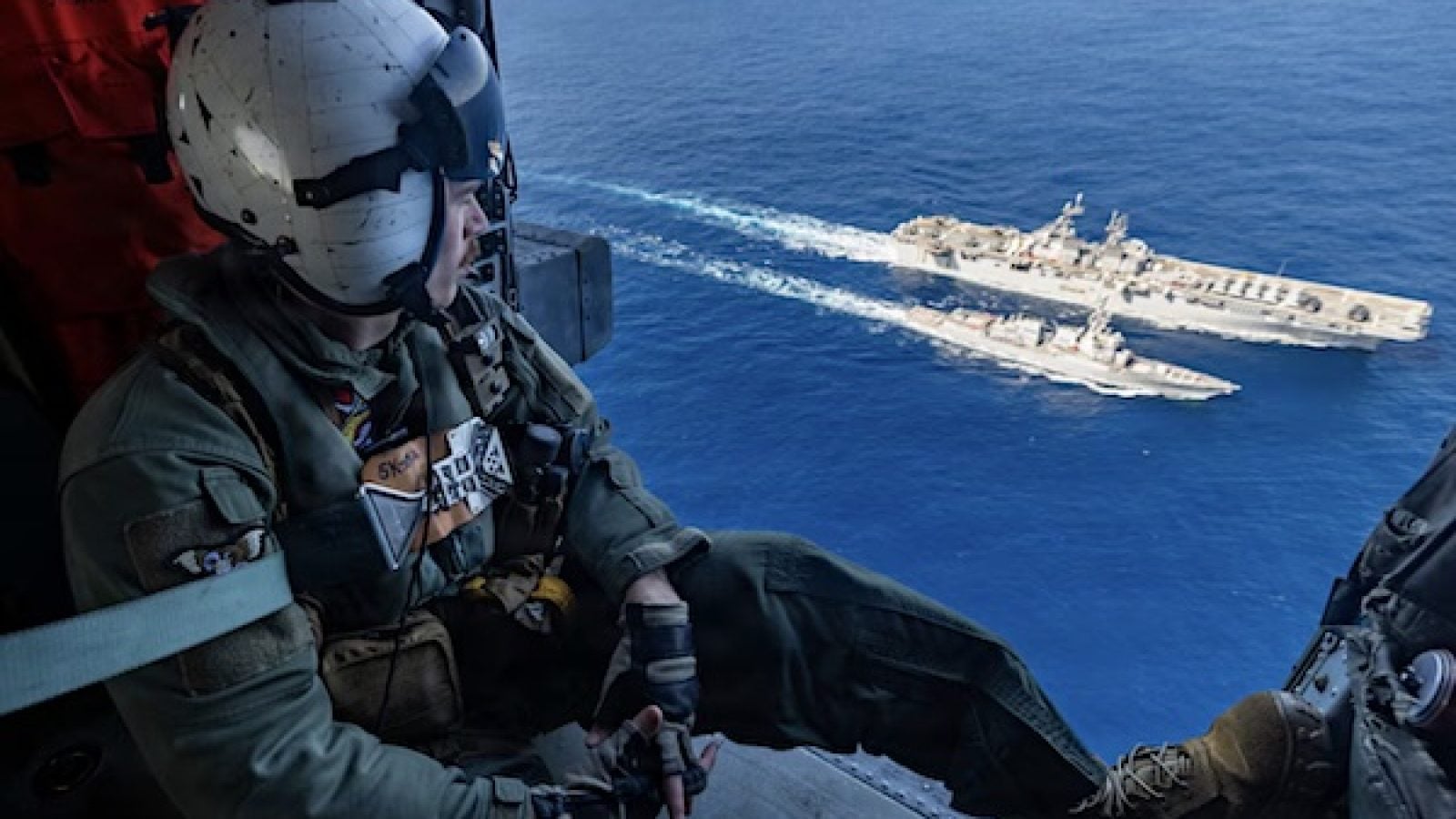
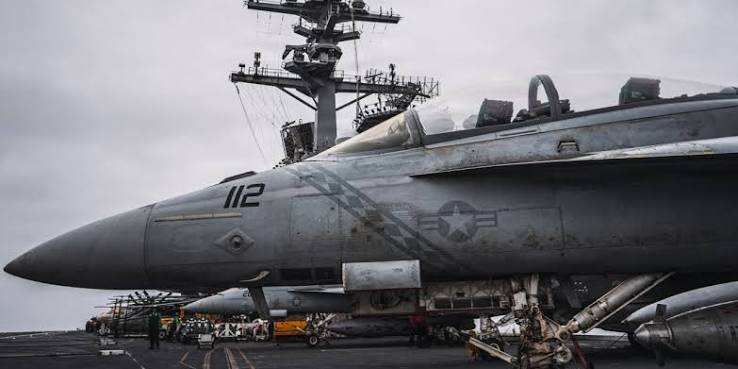
Washington — President Donald Trump on Sunday announced an immediate U.S. Navy blockade of all ships attempting to enter or leave the Strait of Hormuz after Islamabad peace talks with Iran failed to resolve disputes over Tehran's nuclear program. He posted the declaration on Truth Social and ordered naval interdiction of vessels alleged to have paid transit tolls to Iran. Washington said the Navy will interdict vessels in international waters that have paid tolls to Tehran, with officials framing the move as a direct response to alleged Iranian maritime threats and claims of mine-laying. This week regional governments, shipping companies and U.S. naval units are assessing security, commercial impacts and operational plans, and U.S. forces are expected to increase patrols in coming days.
By Najma A. | JQJO News
Aggregated From:
Timeline of Events
- Islamabad-hosted peace talks on Iran's nuclear program take place over the weekend.
- Negotiations conclude without agreement on the nuclear issue.
- On Sunday, President Trump posts on Truth Social announcing an immediate blockade of the Strait of Hormuz.
- Trump instructs the U.S. Navy to seek and interdict vessels paying transit tolls to Iran in international waters.
- Media outlets report the announcement and governments and shipping firms begin assessing security and commercial implications.
News Intelligence
- The Strait of Hormuz blockade could affect oil prices. This waterway is a major route for oil tankers. If the blockade slows down oil shipments, you might see higher gas prices at the pump. Keep an eye on your local gas prices.
- Articles Published:
- 11
- Right Leaning:
- 1
- Left Leaning:
- 0
- Neutral:
- 10
- Distribution:
- Left 0%, Center 91%, Right 9%
The U.S. administration and allied states seeking to deter Iran’s maritime leverage and disrupt alleged transit toll revenues may gain strategic influence and operational control over key shipping lanes.
Iran, regional commercial shippers, and countries dependent on Hormuz transit may suffer economic disruption, increased shipping costs, and heightened security risks from the blockade.
Coverage of Story:
From Left
No left-leaning sources found for this story.
From Center
U.S. Navy begins blockade of Strait of Hormuz
WND Brisbane Times Times of Oman NewsDrum The Free Press - Tampa Jamaica Observer Emirates24|7 Internewscast Journal Bangladesh Sangbad Sangstha (BSS) Yonhap News Agency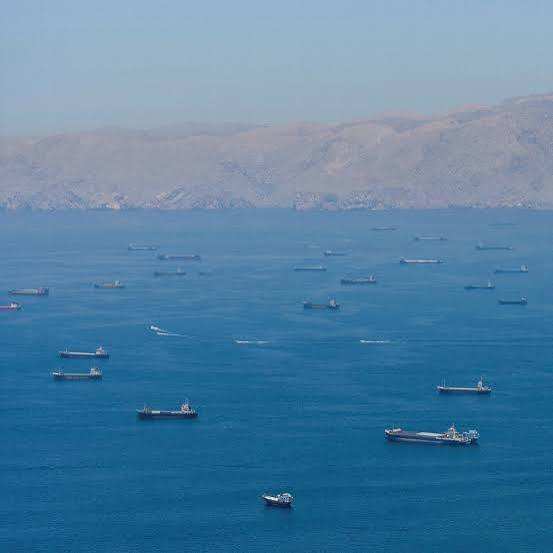




Comments