ECONOMY
伊朗冲突推高汽油价格,美国3月消费者价格上涨
PUBLISHED Apr 11, 2026, 7:19 AM ET
Read, Watch or Listen
Media Bias Meter
Sources: 4
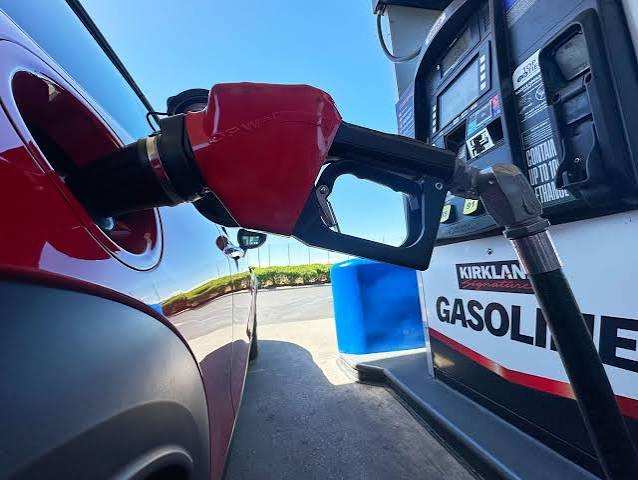
华盛顿。美国劳工统计局报告称,3月份消费者价格同比上涨3.3%,主要受伊朗冲突造成的干扰影响,汽油价格当月飙升21.2%。该机构本周发布的数据显示,核心消费者价格指数(CPI)为2.6%,高于前一个月的2.5%。 此次飙升立即削弱了消费者信心,并给寻求与伊朗进行外交接触的总统唐纳德·特朗普带来了政治压力;市场在本周注意到这一飙升,包括新西兰和印度在内的一些中央银行维持利率不变。报道还称,在宣布停火数小时后,无人机袭击损坏了沙特的一处管道站,使石油市场风险持续升高。
By Neha R. | JQJO News
Timeline of Events
- 二月下旬:有报道称,自2月28日起,伊朗周边地区发生了罢工和军事行动。
- 宣布停火;几小时后,一次无人机袭击损坏了沙特一家管道泵站。
- 三月:全球汽油价格飙升,导致零售加油站价格上涨。
- 四月初:美国劳工统计局报告称,3月份CPI同比上涨3.3%;汽油价格环比上涨21.2%。
- 本周:消费者信心跌至历史新低,一些央行维持利率不变。
News Intelligence
- 伊朗冲突正在影响你的钱包。汽油价格在3月份飙升了21.2%,推动整体消费者价格上涨了3.3%。这意味着你很可能在加油站和日常用品上的花费都增加了。注意你的预算,并在必要时考虑削减开支的方法。
Media Bias
- Articles Published:
- 4
- Right Leaning:
- 1
- Left Leaning:
- 0
- Neutral:
- 3
- Distribution:
- Left 0%, Center 75%, Right 25%
Who Benefited
随着3月通胀飙升期间原油和汽油价格上涨,石油出口国和能源公司的收入增加。
Who Impacted
美国消费者,尤其是中低收入家庭,面临更高的交通和生活成本,购买力受到侵蚀,消费信心受到打击。
Coverage of Story:
From Left
No left-leaning sources found for this story.




Comments