Gas spike drives largest inflation rise in years
PUBLISHED Apr 10, 2026, 12:37 AM ET
Read, Watch or Listen
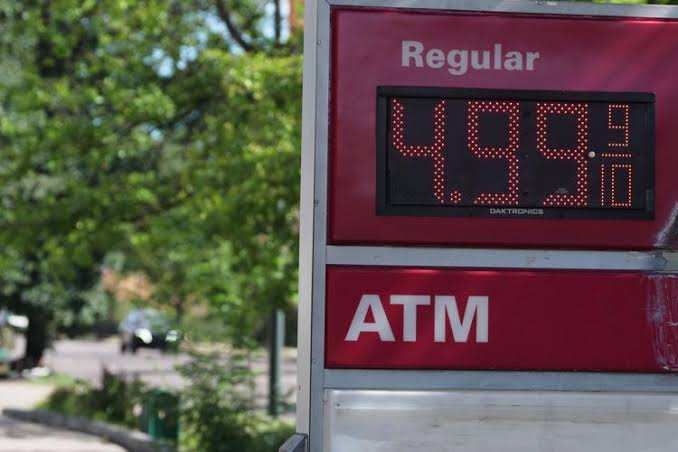
Washington — Consumer prices rose sharply in March as gasoline prices spiked following conflict-related tensions in the Middle East, federal readings and economist surveys showed this week; monthly consumer prices increased about 0.9%, and year-over-year inflation rose to roughly 3.3–3.4%, according to Labor Department data. Federal Reserve officials and economists said this week the gasoline-driven spike will likely delay interest-rate reductions, complicating policy decisions; analysts including State Street's Michael Metcalfe and Zions Bank economist Robert Spendlove warned consumers may face tighter budgets and the housing market could remain strained in coming months.
By Moonie | JQJO News
Aggregated From:
Timeline of Events
- Late March 2024: Geopolitical tensions near Iran push gasoline prices higher.
- Late March 2024: ARC Salt Lake polling shows consumer inflation expectations rise to about 3.4%.
- Late March 2024: FactSet economist survey forecasts March CPI monthly rise ~0.9% and YoY ~3.4%.
- 1st April 2024: Labor Department releases CPI showing ~0.9% monthly increase and ~3.3% YoY.
- Early April 2024: Analysts and Fed officials indicate rate-cut plans will likely be postponed.
News Intelligence
- Gas prices are up, and it's hitting your wallet. This means everything from groceries to utility bills could cost more. Check your budget and plan for potential increases. This could be a good time to consider energy-saving measures at home.
- Articles Published:
- 6
- Right Leaning:
- 0
- Left Leaning:
- 0
- Neutral:
- 6
- Distribution:
- Left 0%, Center 100%, Right 0%
Energy producers and commodity traders benefited from higher gasoline prices, which increased revenues and margins in March while boosting related trade volumes.
Consumers, especially lower-income households and prospective homebuyers, suffered from higher fuel and living costs and tighter housing affordability.
Coverage of Story:
From Left
No left-leaning sources found for this story.
From Center
Gas spike drives largest inflation rise in years
Yahoo! Finance KTAR News KJZZ Sterling Journal-Advocate 2 News Nevada Yahoo! FinanceFrom Right
No right-leaning sources found for this story.





Comments