U.S. imposes steep pharmaceutical tariffs; some metals adjusted
Tap title to read story
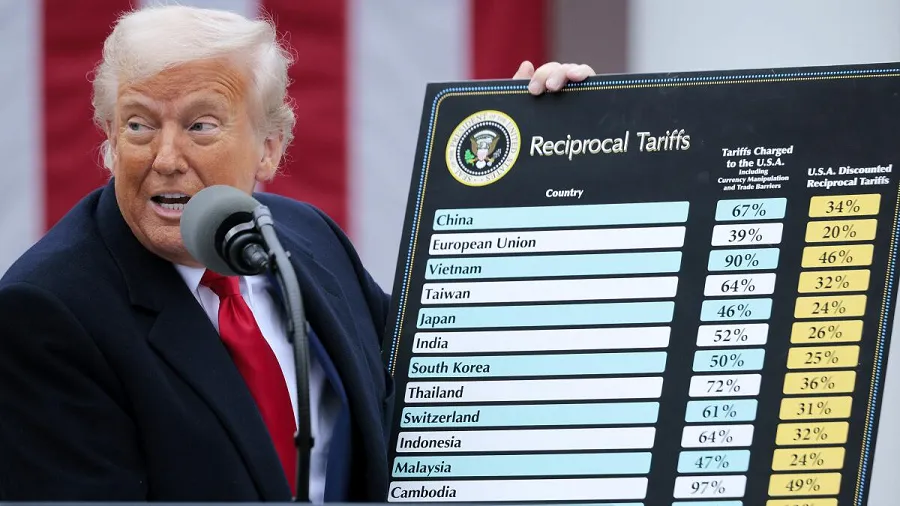
Washington — On April 2, the U.S. administration issued executive orders imposing up to 100% tariffs on certain branded pharmaceutical imports while altering duties on metals, requiring firms to onshore production and accept pricing commitments to avoid or reduce levies.
The orders include reduced tariff rates for the EU, Switzerland, Japan, South Korea and the UK, offer a 20% cut for companies investing in U.S. facilities, and set negotiation windows and deadlines as officials seek to secure domestic manufacturing and pricing deals this month.
More context
Timeline
- 1. One year ago: 'Liberation Day' tariffs announced in the Rose Garden.
- 2. Subsequent months: Tariff rates changed frequently, disrupting supply chains and markets.
- 3. Early 2026: Legal and policy adjustments followed Supreme Court developments affecting previous levies.
- 4. April 2, 2026: Executive orders impose up to 100% tariffs on certain pharmaceuticals, alter metals duties.
- 5. April 2026: Administration offers reduced rates for partners, onshoring incentives, and sets negotiation deadlines.
Why it matters
The new tariffs could impact your wallet. Prescription drug costs may rise due to the 100% tariff on certain imports. However, if you work in metal industries, changes in duties could affect your job. Keep an eye on how these tariffs impact your healthcare and employment situation.
Sources
JQJO Editorial Desk · Human reviewed · AI assisted. Report a correction.