U.S.-Israeli Strikes Kill Iran's Supreme Leader Today
PUBLISHED Mar 1, 2026, 2:27 AM ET
Read, Watch or Listen
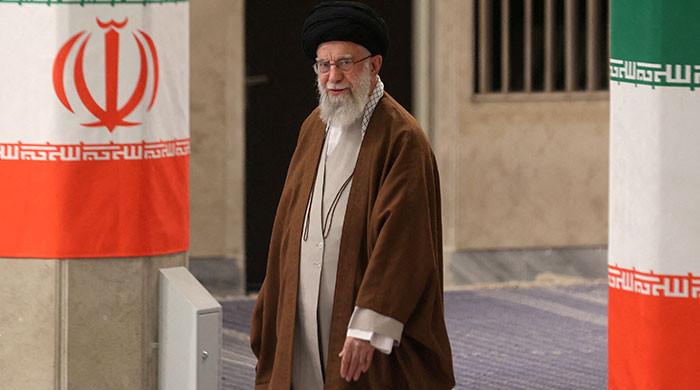
Washington U.S. and Israeli forces launched coordinated airstrikes early Saturday on Iran, killing Supreme Leader Ayatollah Ali Khamenei and striking multiple military and command sites rapidly across the country. Tehran's state media confirmed Khamenei's death and announced national mourning. U.S. officials named the operation "Operation Epic Fury" and described targets including IRGC command centers, air defenses, and missile and drone launch sites. President Donald Trump publicly hailed the outcome on social media and in interviews. The strikes occurred amid stalled indirect nuclear talks and prompted regional exchanges, local protests, and international concern. Based on 11 articles reviewed and supporting research.
By Najma A. | JQJO News
Timeline of Events
- Months of increased U.S. presence and stalled indirect nuclear talks raised tensions.
- Early Saturday, the U.S. and Israel launched 'Operation Epic Fury' targeting Iranian military sites.
- Iran's state media/IRNA confirmed the death of Supreme Leader Ayatollah Ali Khamenei, age 86.
- Tehran announced 40 days of mourning and reported retaliatory missile launches toward Israel and U.S. bases.
- International reactions, diaspora celebrations, protests, and urgent diplomatic activity followed the strikes.
News Intelligence
- This event could affect your safety. Tensions may rise globally and domestically, possibly leading to protests or increased security measures. Keep an eye on local news and stay alert in public spaces.
Coverage of Story:
From Left
No left-leaning sources found for this story.
From Center
U.S.-Israeli Strikes Kill Iran's Supreme Leader Today
GEO TV Kyodo News+ Yahoo News CNA The Hans India Daily Breeze Yonhap News Agency vinnews.comFrom Right
Key Takeaways From US-Israeli Strikes on Iran
NTD The Times of Israel vinnews.com vinnews.com




Comments