Leonids Meteor Shower Peaks Tonight
Tap title to read story
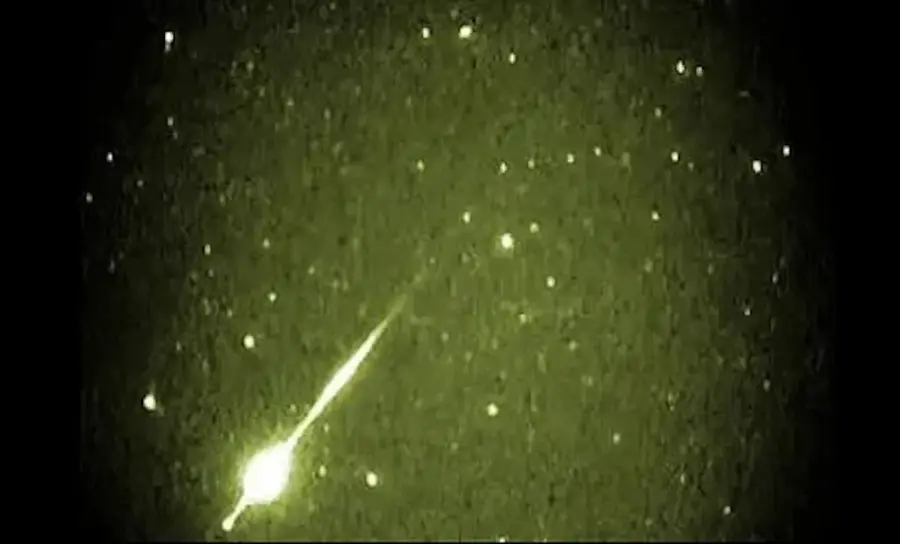
The Leonids meteor shower, one of the fastest at forty‑four miles per second, peaks overnight Monday into early Tuesday. Astronomers note that the Earth passes through debris from comet 55P/Tempel‑Tuttle, discovered by William Tempel on December nineteenth, eighteen sixty‑five. The 1966 meteor storm, which occurred on November seventeenth, produced thousands of meteors per minute in a fifteen‑minute window, and remains one of the best displays on record. This year’s shower is expected to be average, with bright, colorful fireballs and Earth‑grazing meteors visible across the night sky. Viewers should seek dark locations after midnight, allowing twenty minutes for eye adaptation.
More context
Timeline
- On November 17 1966 Historic Leonid meteor storm produces thousands of meteors.
- On November 18 2026 Leonids peak overnight Monday into Tuesday.
- 2031 — Comet returns, potential for future meteor displays
- 2064 — Next predicted comet return, possible meteor activity
Why it matters
Immediate US impact: Astronomers advise safe viewing practices for sky watchers Possible long-term US impact: Future comet returns may inspire educational outreach Most affected groups: Night‑time astronomy enthusiasts and amateur observers Reader priority: Information on peak timing and viewing conditions
Coverage notes
Center: Coverage from niagarathisweek.com, usatoday.com, starwalk.space frames this as a developing news story: Leonids Meteor Shower Peaks Tonight. Reporting emphasizes verified facts, named sources, and near-term impact for readers. Left: Left-leaning desks covering the same development typically emphasize public impact, institutional accountability, and who is most affected. Right: Right-leaning desks covering the same development typically emphasize practical outcomes, market or security stakes, and institutional response.
Primary report
The Boston Globe — Leonids Meteor Shower Peaks Tonight
Sources
JQJO Editorial Desk · Human reviewed · AI assisted. Report a correction.