US and Iran Resume Talks Amid Military Buildup
PUBLISHED Feb 22, 2026, 12:34 AM ET
Read, Watch or Listen
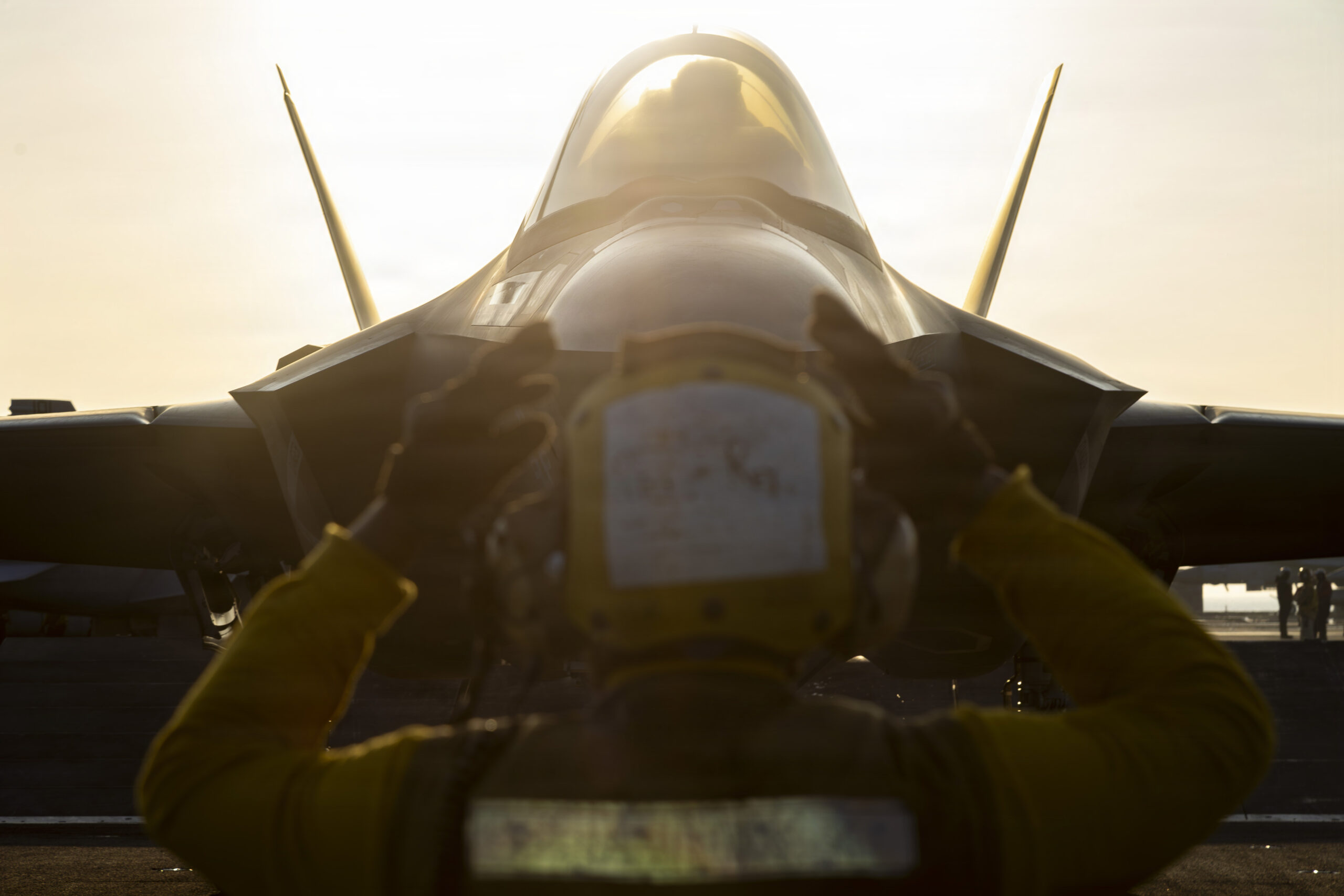
Washington — President Donald Trump weighed military options against Iran on Feb 23 as diplomacy entered a last‑ditch phase, while negotiators resumed Oman‑mediated talks this week and scheduled a Geneva session for Thursday. The US dispatched warships, aircraft and weaponry to the Middle East; Trump said on Feb 19 he would decide within 10–15 days whether to order strikes. Iran conducted small naval drills with Russia and reported planned Chinese exercises in the Strait of Hormuz; Iran’s UN mission warned of catastrophic regional consequences if the US attacks. No further details have emerged. Based on 8 articles reviewed and supporting research.
By Najma A. | JQJO News
Timeline of Events
- Dec 2025: Reports cite high inflation and economic strain in Iran affecting protests and public discontent.
- Feb 19: President Trump states he will decide within 10–15 days on possible strikes against Iran.
- This week: U.S. sends carriers, jets, and weaponry while Oman‑mediated talks with Iran resume.
- Past week: Russia and Iran conducted small naval drills; Chinese ship exercise in Strait of Hormuz reported.
- Feb 23: Reports indicate China and Russia reluctant to provide direct military backing; Iran warns at the UN of catastrophic consequences.
News Intelligence
- The US-Iran tension could affect your wallet. Military actions can spike oil prices, raising gas and home heating costs. Keep an eye on your energy bills. If you're invested in stocks, market volatility might hit your portfolio.
Coverage of Story:
From Left
Israel and American Hawks are pushing US to Iran War with Catastrophic Consequences
Informed CommentFrom Center
US and Iran Resume Talks Amid Military Buildup
Atlantic Council Kuwait Times The Straits Times LatestLY China Daily Asia Social News XYZ Saudi Gazette GlobalSecurity.org vinnews.com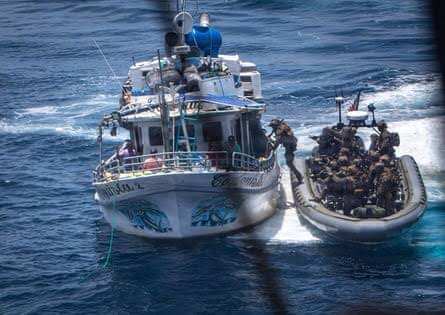





Comments