Supreme Court Denies Federal Guard Deployment To Chicago
Watch & Listen in 60 Seconds
60-Second Summary
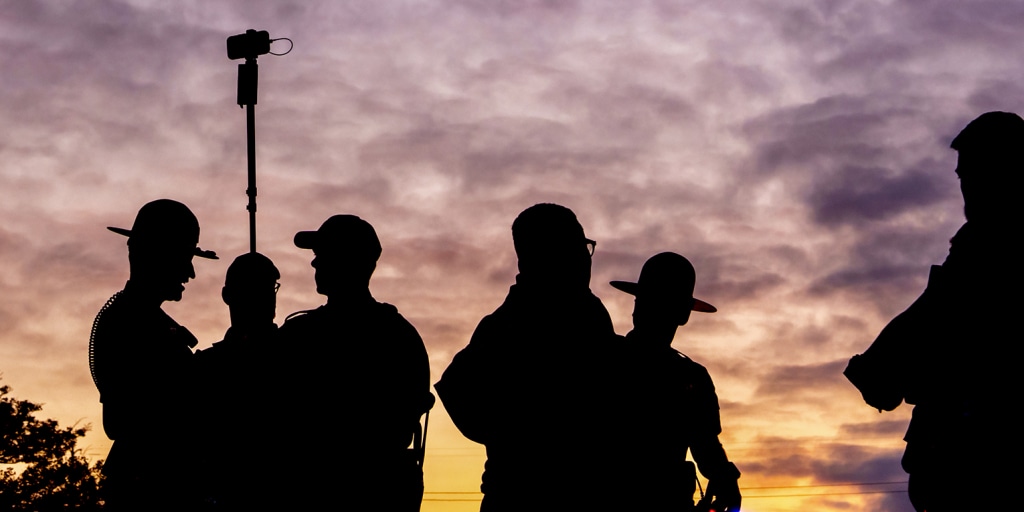
Washington, the U.S. Supreme Court on Tuesday refused the Trump administration's emergency request to deploy National Guard troops to the Chicago area, leaving intact a federal judge's injunction and a Seventh Circuit ruling while legal challenges proceed. The unsigned order said the government has not identified authority to federalize the Guard to execute laws in Illinois; Justices Thomas, Alito and Gorsuch dissented. The move temporarily blocks the requested federalized deployment of hundreds of troops tied to immigration enforcement after October federal activations. The case may influence similar disputes over domestic military deployments. Based on 11 articles reviewed and supporting research.
About this summary
This 60-second summary was prepared by the JQJO editorial team after reviewing 11 original reports from NBC News, DNyuz, CBS News, thespec.com, PBS.org, News India Times, CNA, Internewscast Journal, Asian News International (ANI), english.news.cn and Nikkei Asia.
Timeline of Events
- Oct 4: President federalized about 300 Illinois National Guard members.
- Oct 9: Northern District of Illinois issued a temporary restraining order barring deployment.
- Oct 16: Seventh Circuit allowed federalization but prohibited street deployment.
- Oct 29: Supreme Court requested supplemental briefing on 'regular forces' definition.
- Dec 23/24: Supreme Court denied emergency relief, leaving injunctions in place.
- Articles Published:
- 11
- Right Leaning:
- 0
- Left Leaning:
- 1
- Neutral:
- 10
- Distribution:
- Left 9%, Center 91%, Right 0%
State and local officials, civil liberties advocates, and municipal authorities benefited by preserving local control and preventing a federalized National Guard deployment tied to immigration enforcement.
The Trump administration and federal law enforcement efforts aiming to federalize National Guard deployments suffered a legal setback that curtailed immediate use of federal military authority in Illinois.
After reading and researching latest news, the Supreme Court's unsigned order on Dec. 23 denied the administration's emergency request to deploy federalized National Guard troops to Illinois, citing lack of statutory authority; three conservative justices dissented. The ruling preserves lower-court injunctions and may constrain future domestic military federalizations.
Coverage of Story:
From Center
Supreme Court Denies Federal Guard Deployment To Chicago
NBC News CBS News thespec.com PBS.org News India Times CNA Internewscast Journal Asian News International (ANI) english.news.cn Nikkei AsiaFrom Right
No right-leaning sources found for this story.




Comments