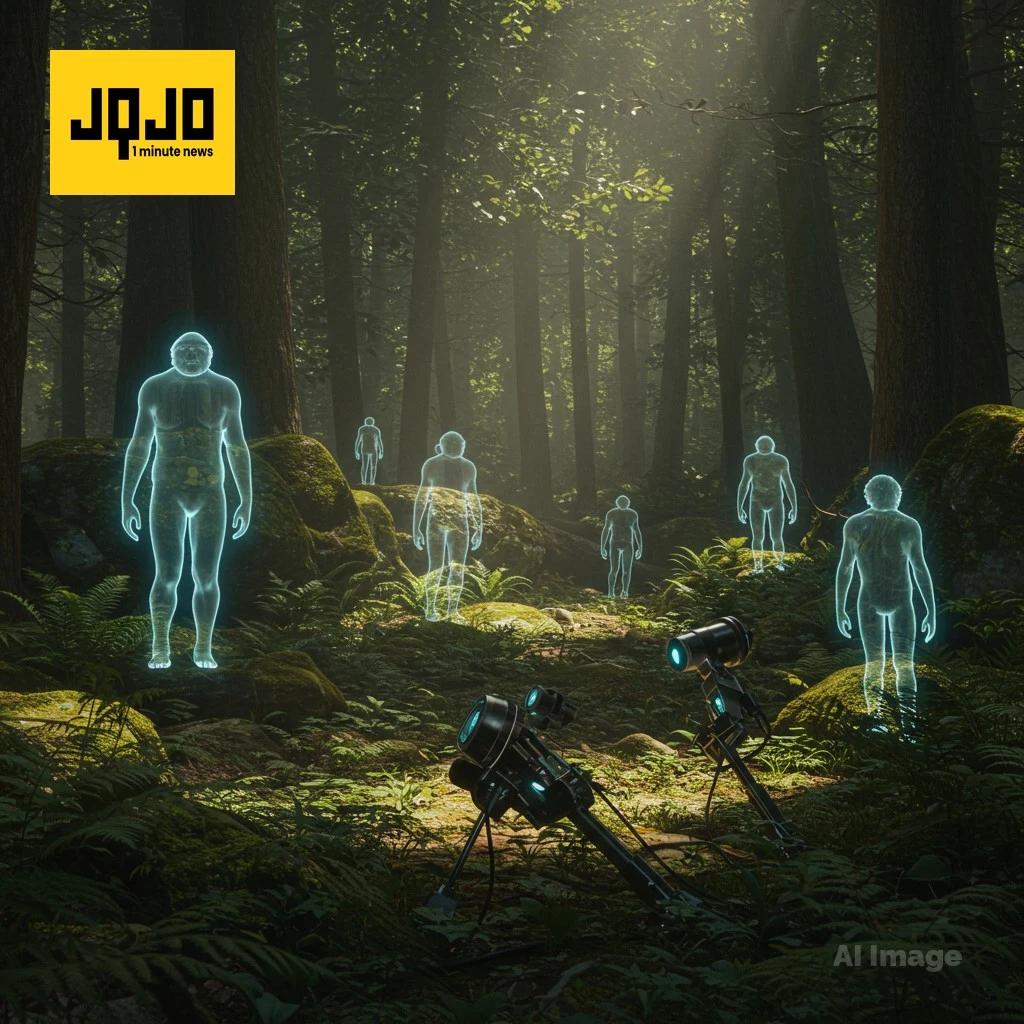
Experts Rebuke Prospects of Neanderthal Resurrection
Tap title to read story
After the 2010 Neanderthal genome, the question of resurrection persists. George Church argued cloning could work, and Colossal pursued de‑extinction projects, but experts told Live Science the effort is technically prohibitive and ethically unacceptable: immune incompatibilities, the absence of living cells, and error‑prone editing hinder success, and any born individual could face isolation or exploitation with little scientific value. The legal landscape is unclear, raising worries about private ventures. Several researchers say better answers would come from exceptional natural preservation — exemplified by Ötzi and Tollund Man — and that a permafrost Neanderthal would reveal far more.
Sources
JQJO Editorial Desk · Human reviewed · AI assisted. Report a correction.