SCIENCE
Clay impressions preserve Wyoming dinosaur mummies
▪
Read, Watch or Listen
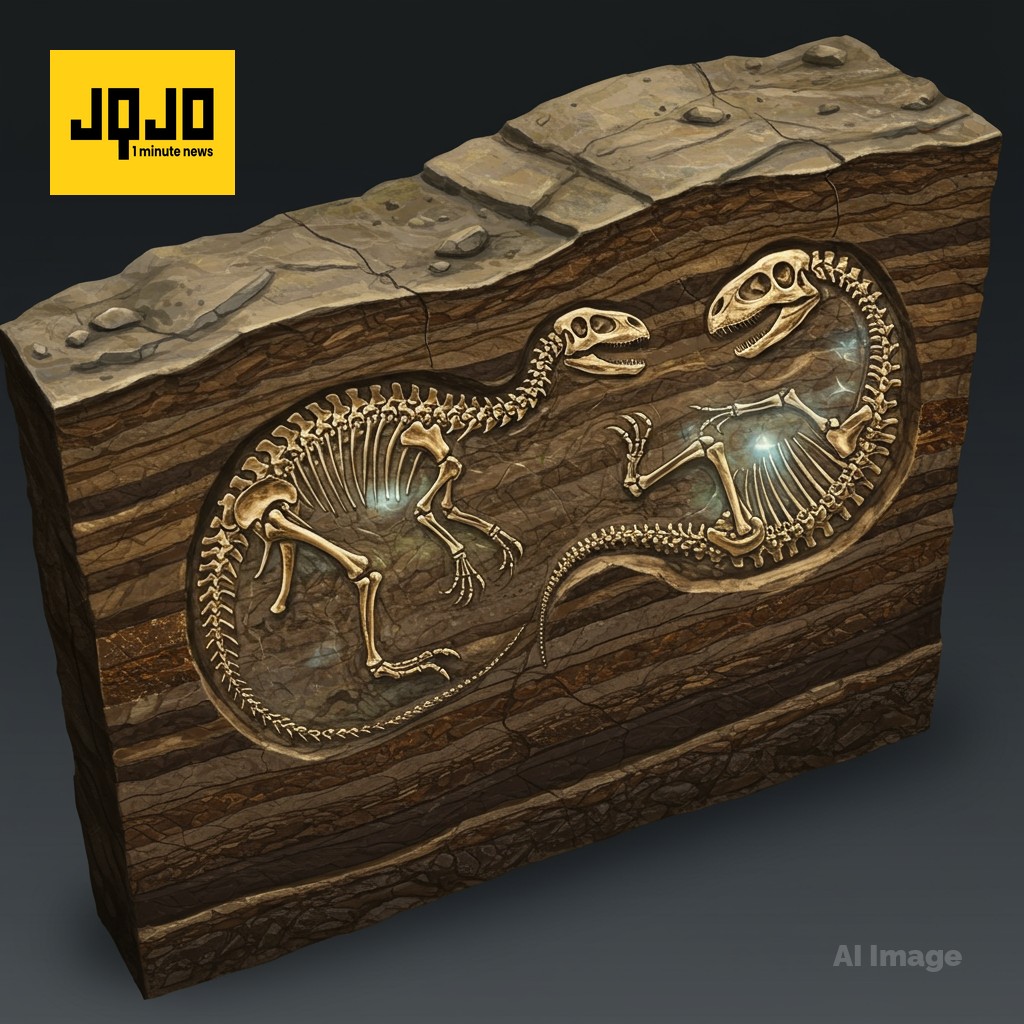
Researchers working in eastern Wyoming's mummy zone uncovered two dinosaur mummies preserved in an unexpected way: instead of fossilized skin, the animals left skin-and-scale impressions in a thin clay layer hardened by microbes. One is a duck-billed juvenile only a few years old, which Paul Sereno of the University of Chicago described as the first truly mummified juvenile dinosaur. Clay templates revealed tail spikes and hooves on the feet. The study, published Thursday in Science, suggests land-based preservation once deemed unlikely and could help scientists find more mummies.
Prepared by Olivia Bennett and reviewed by editorial team.






Comments