HEALTH
Weedkiller Replacement Diquat Poses Serious Health Risks
▪
Read, Watch or Listen
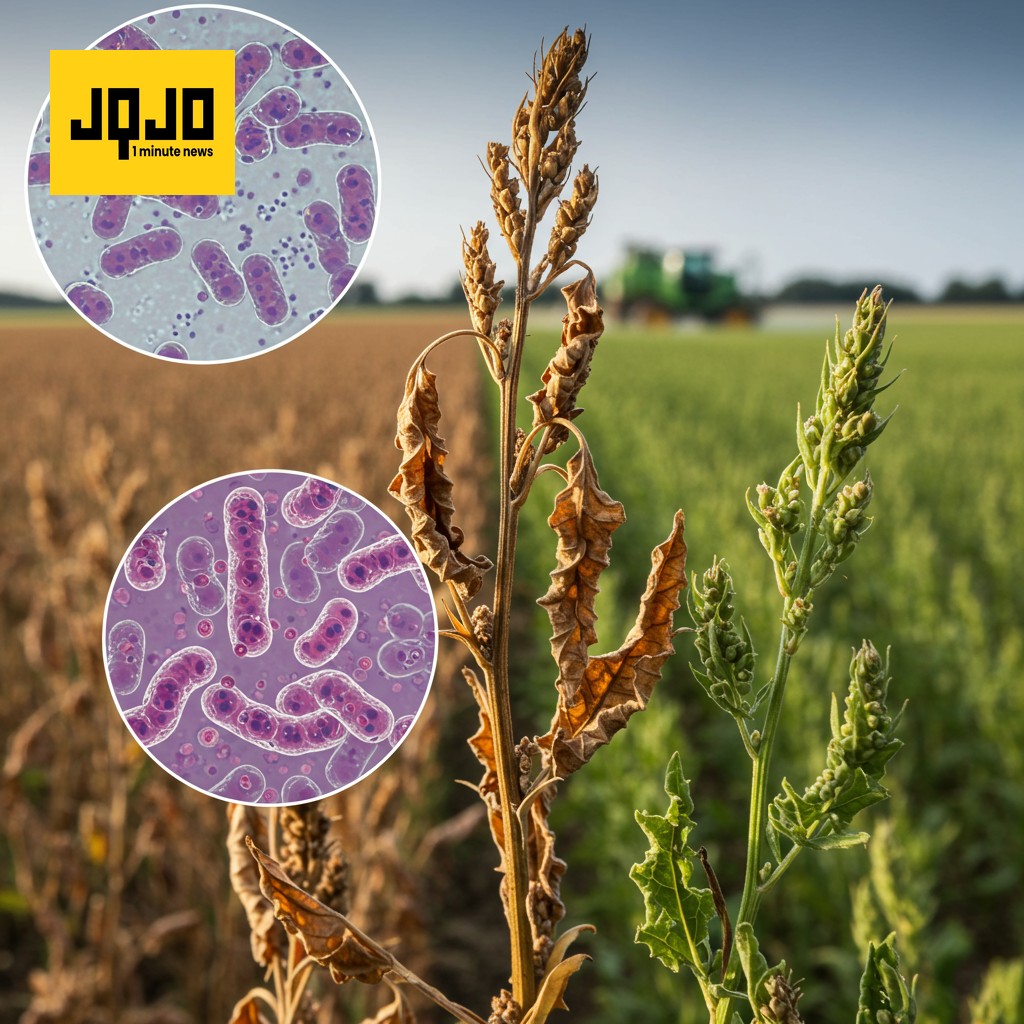
New research reveals that diquat, a glyphosate replacement in weedkillers, is highly toxic, causing organ damage and gut bacteria disruption. Banned in many countries due to its potential to harm kidneys, lungs, and liver, and possibly causing multiple organ dysfunction syndrome, its use is rising in the US despite concerns. The EPA has resisted calls for a ban, leading critics to label the situation a 'regrettable substitution' and highlight weaknesses in US pesticide regulations. While studies are largely based on rodent models, the findings underscore the potential health risks associated with diquat.
Prepared by Olivia Bennett and reviewed by editorial team.






Comments