Spokane Wildfire Surge Forces Mass Evacuations
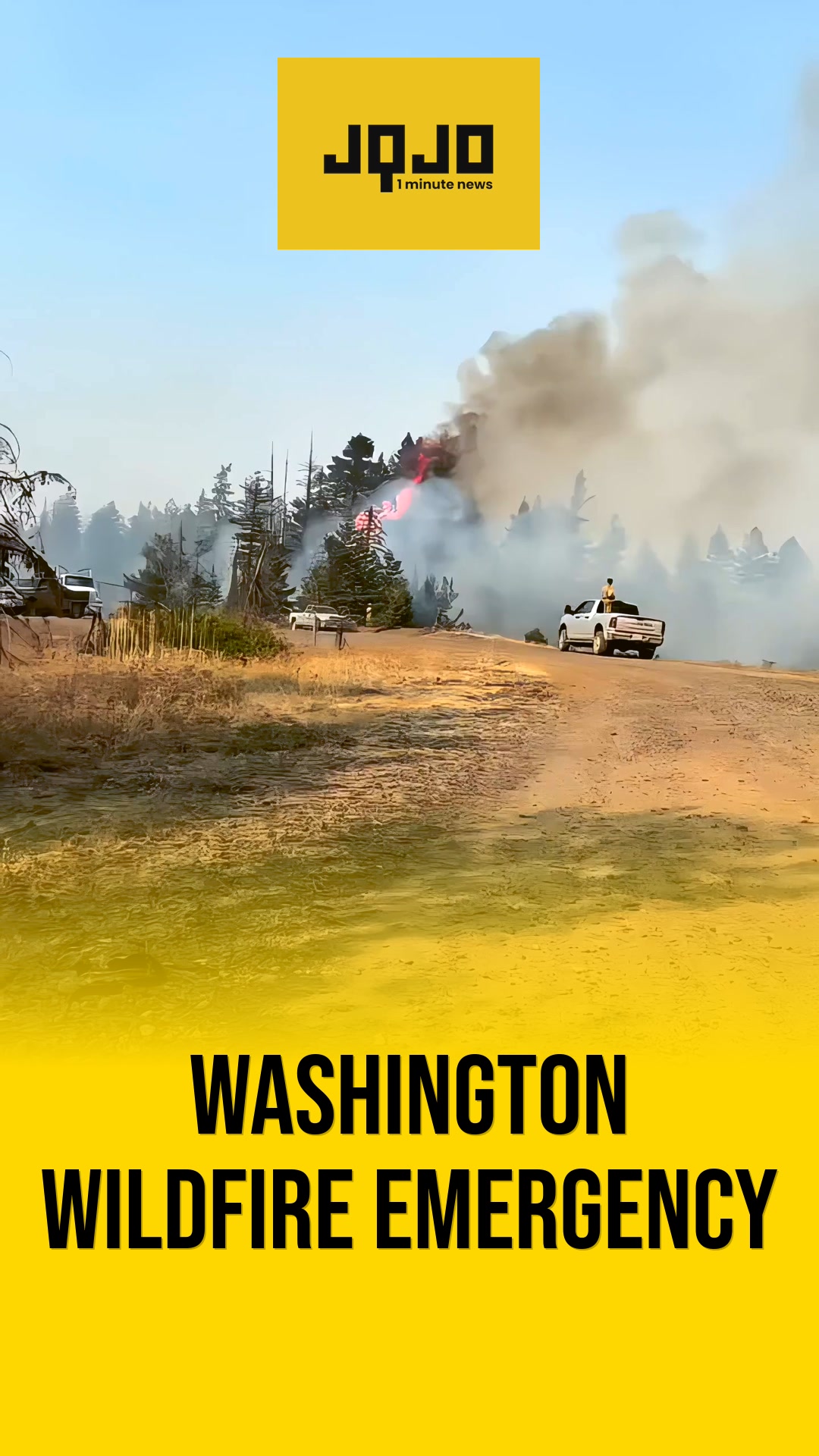
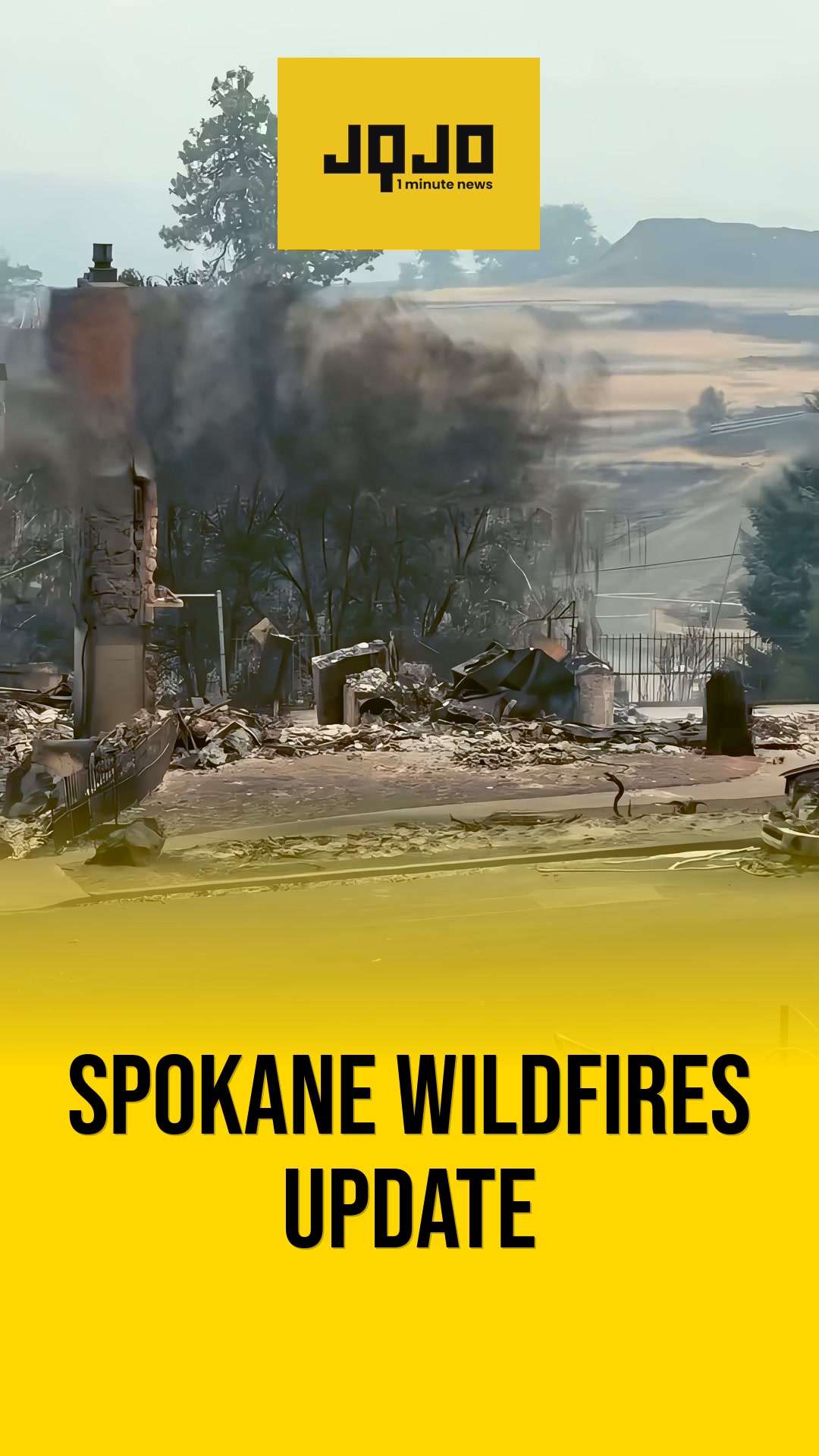
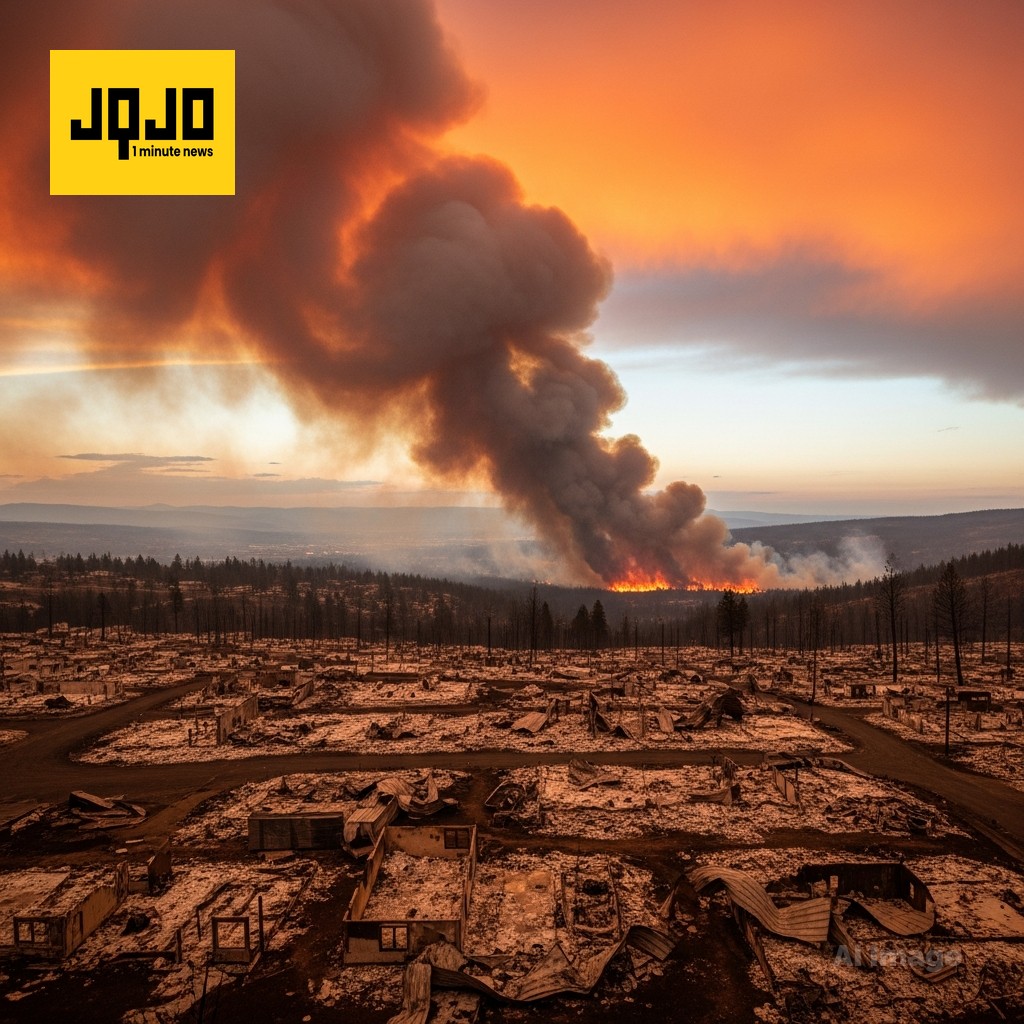
The United States is enduring one of its most destructive wildfire seasons in recent history, with fast-moving blazes scorching millions of acres across the country amid a severe nationwide pattern of extreme heat and prolonged drought. In and around Spokane, Washington, near the Idaho border, three major wildfires erupted over the weekend, destroying hundreds of residential and commercial structures and forcing more than 60,000 residents to evacuate their homes, impacting roughly ten percent of the local population. Federal fire-tracking data from InciWeb confirmed that the blazes, collectively known as the Spokane Complex Fire, burned more than 8,000 acres and remained largely uncontained as emergency crews struggled against erratic winds and tinder-dry terrain. Washington Public Lands Commissioner Dave Upthegrove stated that 17 distinct fires were actively burning across the state, stretching regional emergency response capabilities to their absolute limits. Climate scientists warn that the crisis reflects a fundamental expansion in wildfire vulnerability across diverse ecosystems. Daniel Swain, a climate scientist at the University of California, described the situation as "lifting the flammability veil," explaining that record-breaking warmth and dryness are allowing destructive blazes to strike ecosystems that historically lacked the conditions to support massive fires. Stanford University professor Noah Diffenbaugh noted that global warming is producing severe heat waves that strip moisture from trees over extended periods, turning forests into highly combustible material. Researchers emphasize that successive days of extreme heat compound environmental stress on vegetation, similar to the physiological toll high temperatures take on the human body. A study publi
Prepared by Olivia Bennett and reviewed by editorial team.
- Articles Published:
- 28
- Right Leaning:
- 0
- Left Leaning:
- 4
- Neutral:
- 24
- Distribution:
- Left 14%, Center 86%, Right 0%
Met l'accent sur les impacts du changement climatique, la préparation des gouvernements et l'assistance aux résidents vulnérables. Se concentre strictement sur les chiffres d'évacuation, les conditions météorologiques et la destruction de biens. Met en évidence les coûts économiques locaux, la résilience communautaire et les efforts d'intervention d'urgence.
Le 1er août 2026, l'Associated Press a rapporté des incendies de forêt destructeurs à Spokane. https://apnews.com/article/wildfires-spokane-eastern-washington-evacuations-dc8e1ecf2e24c06958f8b723859fc1e1
Coverage of Story:
From Left
Eastern Washington fires destroy 600 structures and force 60,000 to evacuate
The Guardian The Guardian The Washington Post The GuardianFrom Center
Spokane Wildfire Surge Forces Mass Evacuations
Insurance Journal Associated Press Associated Press Associated Press Oregon Public Broadcasting Insurance Journal AM Best Insurance Business Magazine PreventionWeb WYSO WWNO WUSF Reuters EarthSky PBS NewsHour CityNews Vancouver Hindustan Times PreventionWeb CBS News PBS NewsHour Oregon Public Broadcasting The Spokesman-Review Connecticut Public Radio The WitnessFrom Right
No right-leaning sources found for this story.



Comments