US Borrowing Costs Hit 19-Year High
Read, Watch or Listen
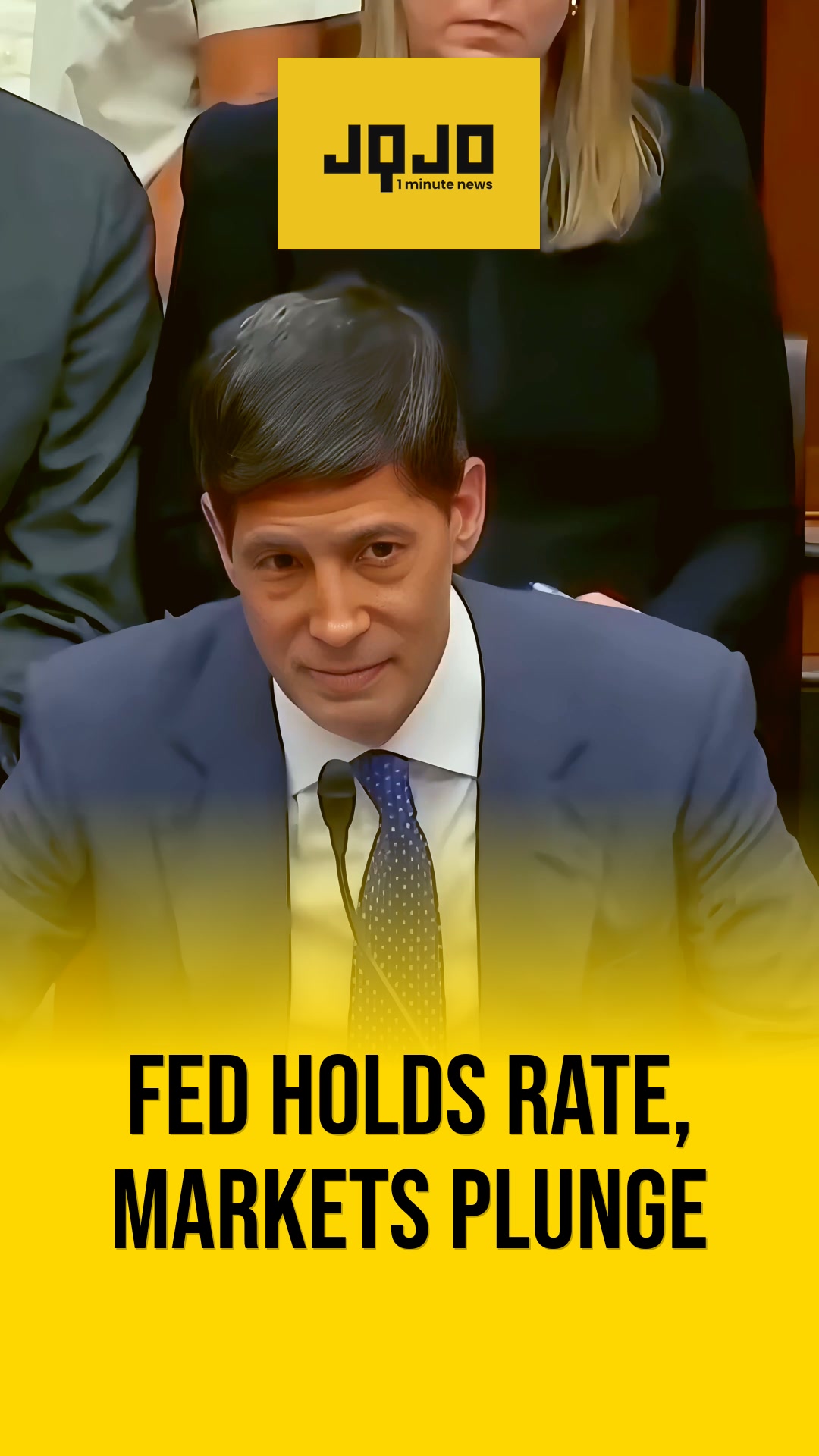
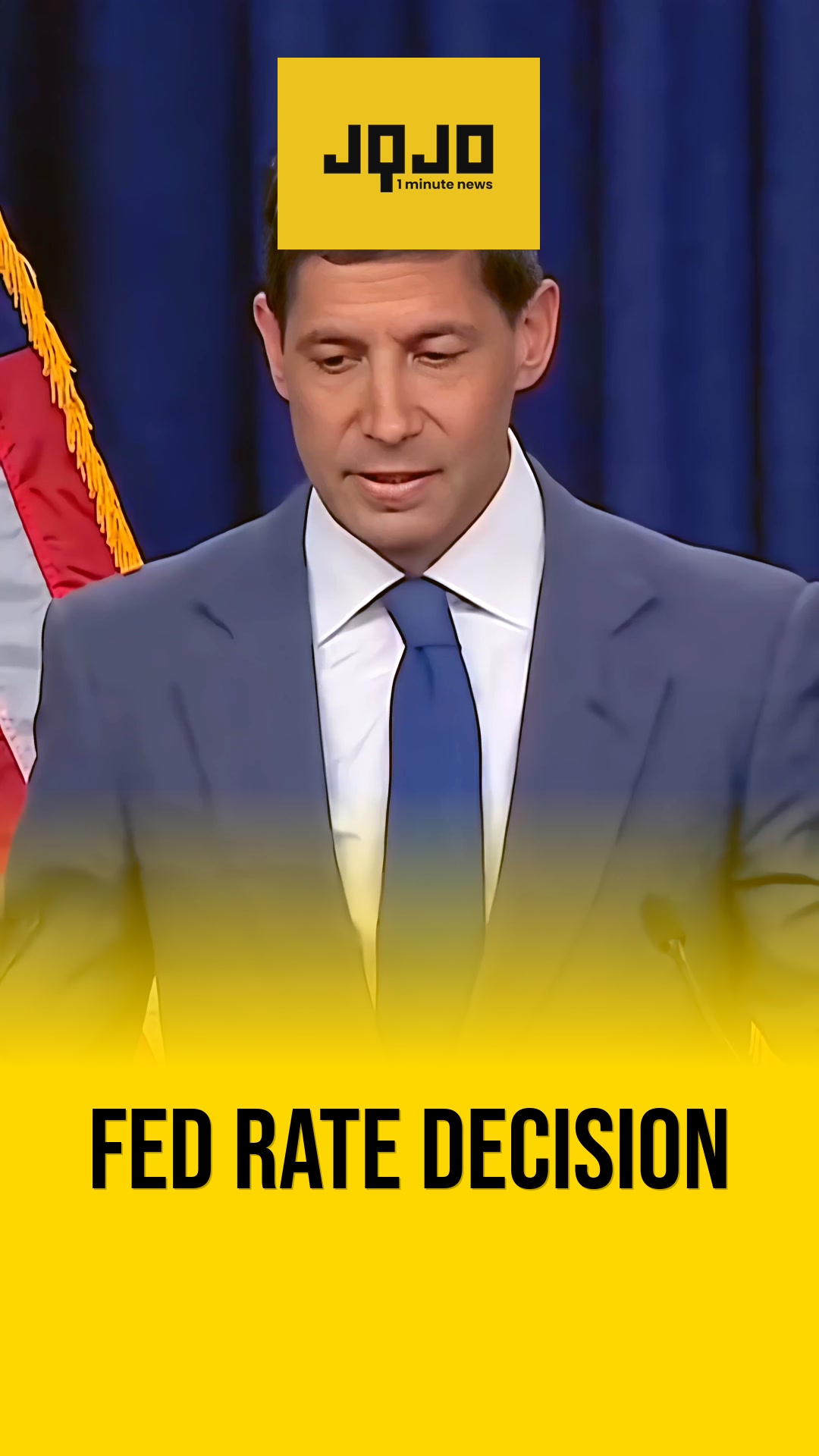
U.S. borrowing costs surged to their highest level since 2007 following the Federal Reserve's decision to leave interest rates unchanged. The 30-year Treasury yield rose by 0.14 percentage points to reach 5.23 percent. The Federal Open Market Committee voted to keep its benchmark interest rate steady at 3.50 to 3.75 percent during its meeting on Wednesday. Federal Reserve Chairman Kevin Warsh stated that the central bank would maintain its focus on cooling price growth amid ongoing economic pressures. Financial markets reacted sharply to the announcement. The broad S&P 500 index fell 1.5 percent, while the tech-heavy Nasdaq 100 dropped 2.1 percent. The two-year Treasury yield traded around 4.28 percent on Thursday morning. Long-term bond yields climbed as investors assessed risks associated with rising oil prices and geopolitical tensions involving Iran. West Texas Intermediate crude oil prices rose more than 7 percent to approximately $85 per barrel. Economists and market strategists noted that surging long-term yields reflect investor concerns regarding potential inflationary shocks. Central bank officials stated that financial market conditions have acted to tighten monetary policy independently between policy meetings. The Federal Reserve's target inflation rate remains at 2 percent, while consumer price inflation was recorded at 4.1 percent in May. Policymakers face continued debate regarding future rate adjustments as market volatility persists across major U.S. financial exchanges.
Prepared by Christopher Adams and reviewed by editorial team.
Timeline of Events
- On May 13, 2026, the Senate confirmed Kevin Warsh chair.
- On May 22, 2026, Kevin Warsh assumed Federal Reserve leadership.
- On June 15, 2026, consumer inflation cooled to three percent.
- On July 15, 2026, oil prices surged amid regional conflicts.
- On July 29, 2026, the Federal Open Market Committee met.
- On July 30, 2026, the Federal Reserve held rates steady.
- On July 30, 2026, long term Treasury yields peaked today.
- In coming days, broader financial markets will digest rate decisions.
- In coming months, persistent inflation may force further rate hikes.
- In coming years, elevated borrowing costs could slow economic growth.
News Intelligence
Stock markets tumbled while long term government borrowing costs surged.
Sustained high interest rates could severely constrain broader economic expansion.
Homebuyers, corporate borrowers, equity investors, and fixed income market traders.
Monitor official Federal Reserve statements and unfolding energy market trends.
The Bottom Line
Federal Reserve held rates steady, driving borrowing costs to highs.
- Articles Published:
- 21
- Right Leaning:
- 2
- Left Leaning:
- 3
- Neutral:
- 16
- Distribution:
- Left 14%, Center 76%, Right 10%
Coverage of Story:
From Left
US borrowing costs hit 19-year high as Fed holds interest rates
The Guardian New York Times CNN BusinessFrom Center
US Borrowing Costs Hit 19-Year High
Financial Times Arabian Business Reuters Bloomberg News Financial Times CNBC Associated Press Washington Post MarketWatch Yahoo Finance Politico Barron's Forbes USA Today Institutional Investor Bloomberg QuintFrom Right
Long-Term Treasury Yields Reach Highest Level Since 2007 on Inflation Fears
Wall Street Journal Fox Business




Comments