United States pursues coercive negotiation strategy abroad
Read, Watch or Listen
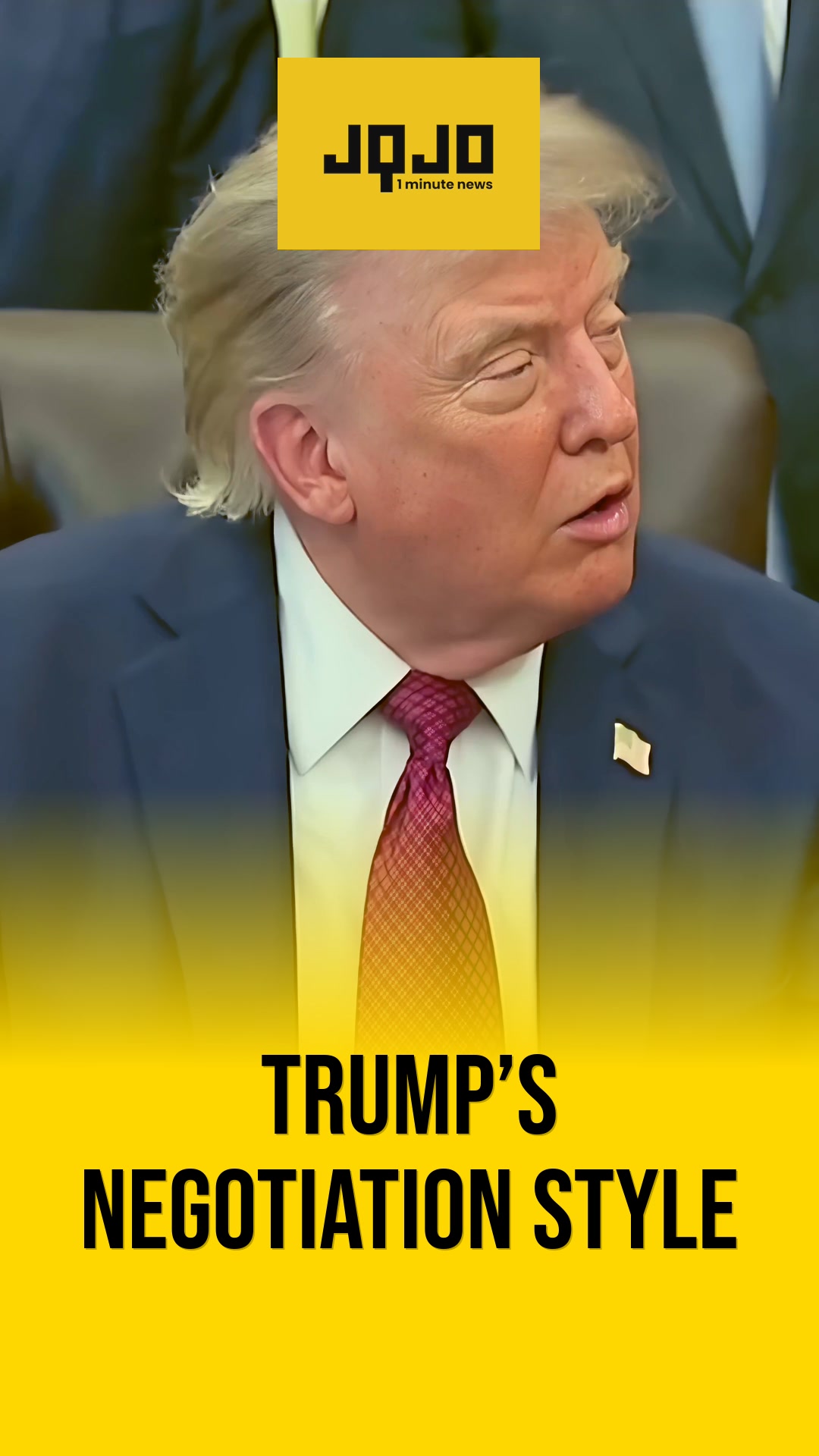
United States – The article analyzes how U.S. foreign policy under Donald Trump centered on an assertive, coercive negotiation style often framed as “maximum pressure.” His administration relied on sweeping economic sanctions, conspicuous military signaling and force deployments, tight deadlines, and sharp public rhetoric to push rivals toward negotiations from a perceived position of weakness. This hard-edged approach frequently involved rapid escalation and abrupt shifts in tone, which forced foreign governments to calculate whether threats reflected firm intent or a tactical effort to extract greater concessions. Analysts describe this pattern as a high-stakes framework that keeps counterparts uncertain and off balance during diplomatic engagements. Iran – In the Middle East, Washington combined severe sanctions that disrupted key trade routes with heavy military positioning to push Tehran toward stricter terms, but Iran adopted a calibrated strategy of resistance, absorbing economic strain while trying to maintain regional influence. The United States simultaneously relied on backchannel diplomacy through intermediaries such as Oman and Switzerland, underscoring that pressure alone did not produce rapid agreement and instead contributed to a protracted standoff. China – In contrast, Beijing adjusted to Trump’s direct, deal-focused style, prioritizing bilateral trade balances, tariffs, and headline agreements. Chinese leaders offered targeted trade commitments and concessions to keep relations transactional and to prevent a broader breakdown in global trade ties, highlighting how Trump’s negotiating methods reshaped, rather than replaced, traditional U.S. strategies.
Prepared by Lauren Mitchell and reviewed by editorial team.
Timeline of Events
- During Trump presidency, maximum pressure articulated
- Early in term, sanctions tools rapidly expanded
- Subsequent months, military signaling periodically intensified
- Following escalations, Iran adopts calibrated resistance strategy
- Around same period, Oman, Switzerland facilitate backchannels
- Meanwhile, China adjusts to direct transactional bargaining
- Later in trade talks, tariffs dominate bilateral negotiations
Why This Matters to You
U.S. foreign policy affects your wallet. Trump's "maximum pressure" approach led to trade disruptions and tariffs, which can raise prices on goods. Watch for changes in the cost of imported items, especially from China and Iran.
The Bottom Line
Trump's hardball negotiation style reshaped global diplomacy. It didn't always lead to quick agreements, but it kept rivals off balance. It's worth knowing how this impacts our international relationships. Share this with someone who likes to stay informed on U.S. foreign policy.
Coverage of Story:
From Left
No left-leaning sources found for this story.
From Right
No right-leaning sources found for this story.

Comments