Lebanon ceasefire renewed after deadly Nabatieh strikes
Read, Watch or Listen
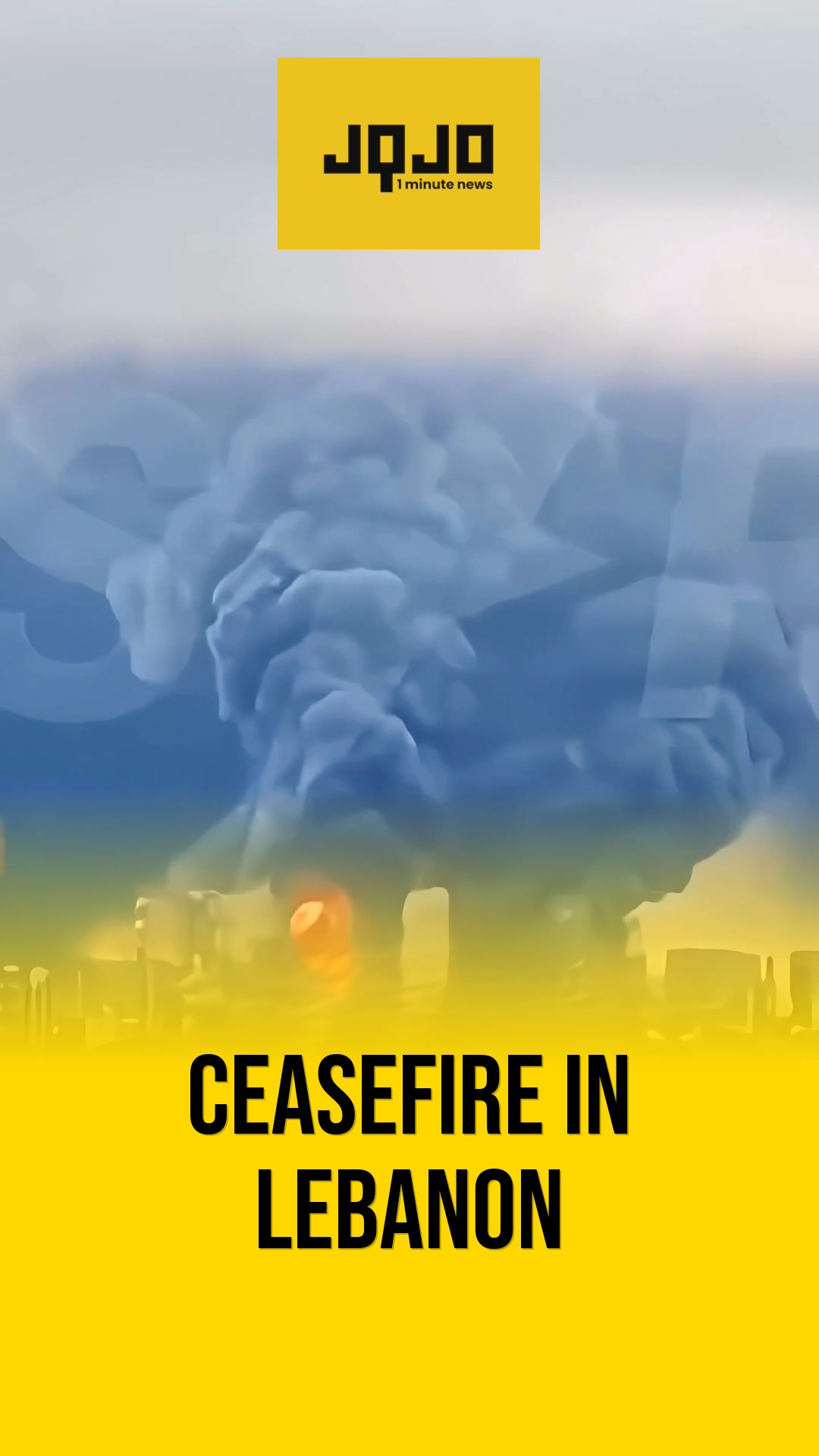
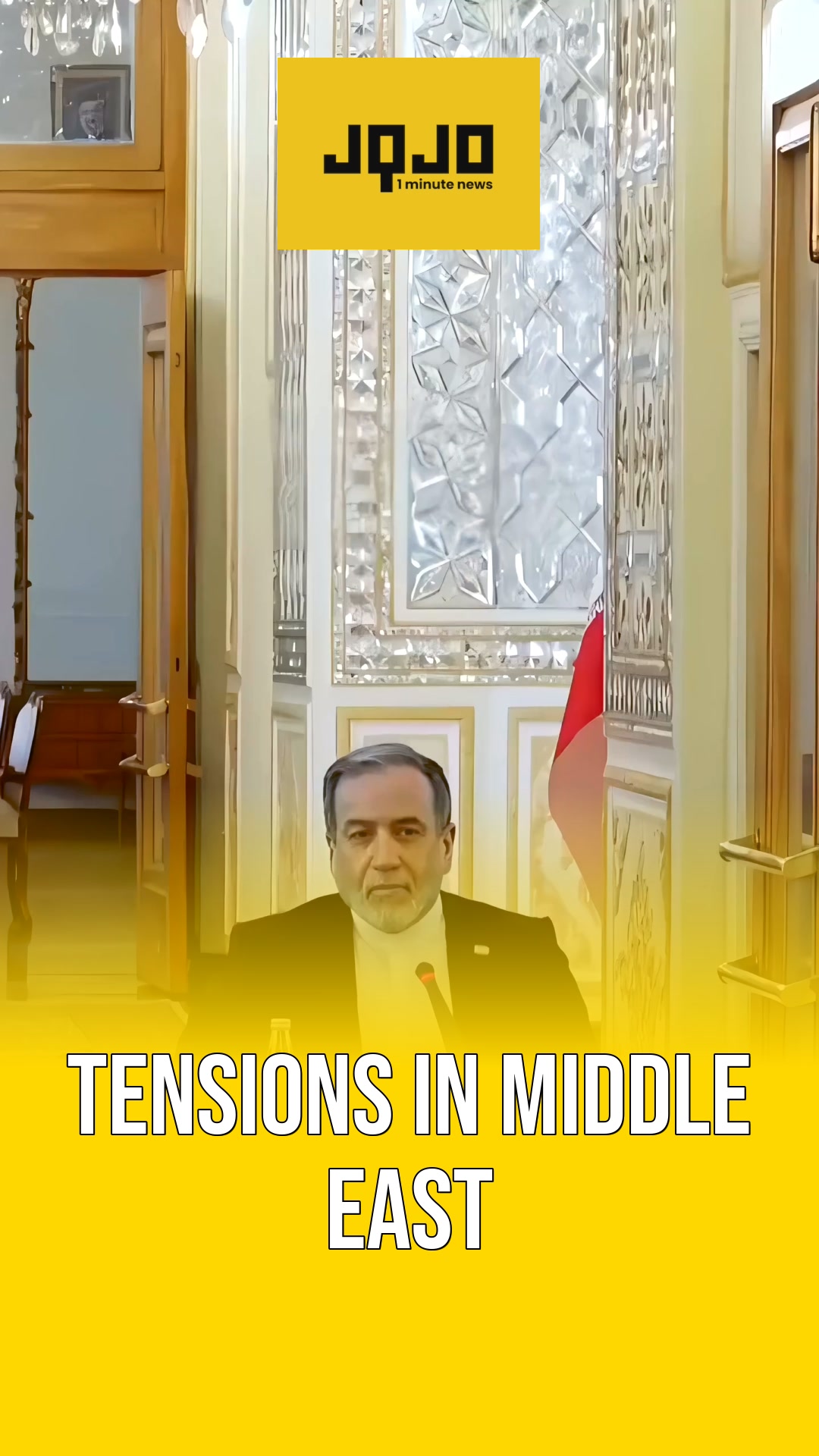
Lebanon and Israel agreed to renew a ceasefire after a wave of Israeli airstrikes on the southern Lebanese city of Nabatieh killed at least 47 people and caused extensive damage, sparking hours of intense overnight fighting across parts of southern Lebanon. The escalation prompted immediate alarm among international mediators, who warned that the violence threatened to undermine already fragile efforts to stabilize the region. The renewed truce aims to halt further strikes and prevent additional casualties as officials assess the scale of the destruction and seek to restore a measure of calm along the border areas. Switzerland is expected to host upcoming talks between U.S. and Iranian officials on how to implement a longer-term accord linked to the ceasefire, as both sides work to preserve diplomatic momentum despite the flare-up in Lebanon. Iranian Foreign Minister Abbas Araghchi said the United States bears the commitment and responsibility to ensure an end to the war on all fronts, including Lebanon, under an existing agreement. The clashes also disrupted diplomatic plans, with JD Vance pulling out of the planned U.S.-Iran meeting in Switzerland following the recent fighting, underscoring how volatile conditions continue to complicate negotiations.
Prepared by Emily Rhodes and reviewed by editorial team.
Timeline of Events
- Over recent days, Israeli strikes hit Nabatieh
- Following airstrikes, at least 47 people killed
- Overnight, heavy fighting erupts southern Lebanon
- Soon after, Israel and Hezbollah renew ceasefire
- Around same time, Araghchi urges U.S. responsibility
- In response, Washington pushes urgent ceasefire diplomacy
- Upcoming days, U.S. and Iran meet Switzerland
- Subsequently, JD Vance withdraws from Switzerland talks
Why This Matters to You
This conflict could impact global stability and safety. It might also affect oil prices, which can trickle down to your gas and heating costs. Keep an eye on news about the ceasefire and U.S.-Iran talks.
The Bottom Line
The renewed ceasefire aims to stop further violence and loss in Lebanon. But the situation remains tense, and diplomatic efforts are complicated. It's a reminder that peace is fragile and requires constant work. Worth forwarding if you know someone concerned about global affairs.
- Articles Published:
- 1
- Right Leaning:
- 0
- Left Leaning:
- 0
- Neutral:
- 1
- Distribution:
- Left 0%, Center 100%, Right 0%
Not specified in source.
Not specified in source.
Coverage of Story:
From Left
No left-leaning sources found for this story.
From Right
No right-leaning sources found for this story.




Comments