Switzerland talks on US-Iran deal postponed after strikes
Read, Watch or Listen

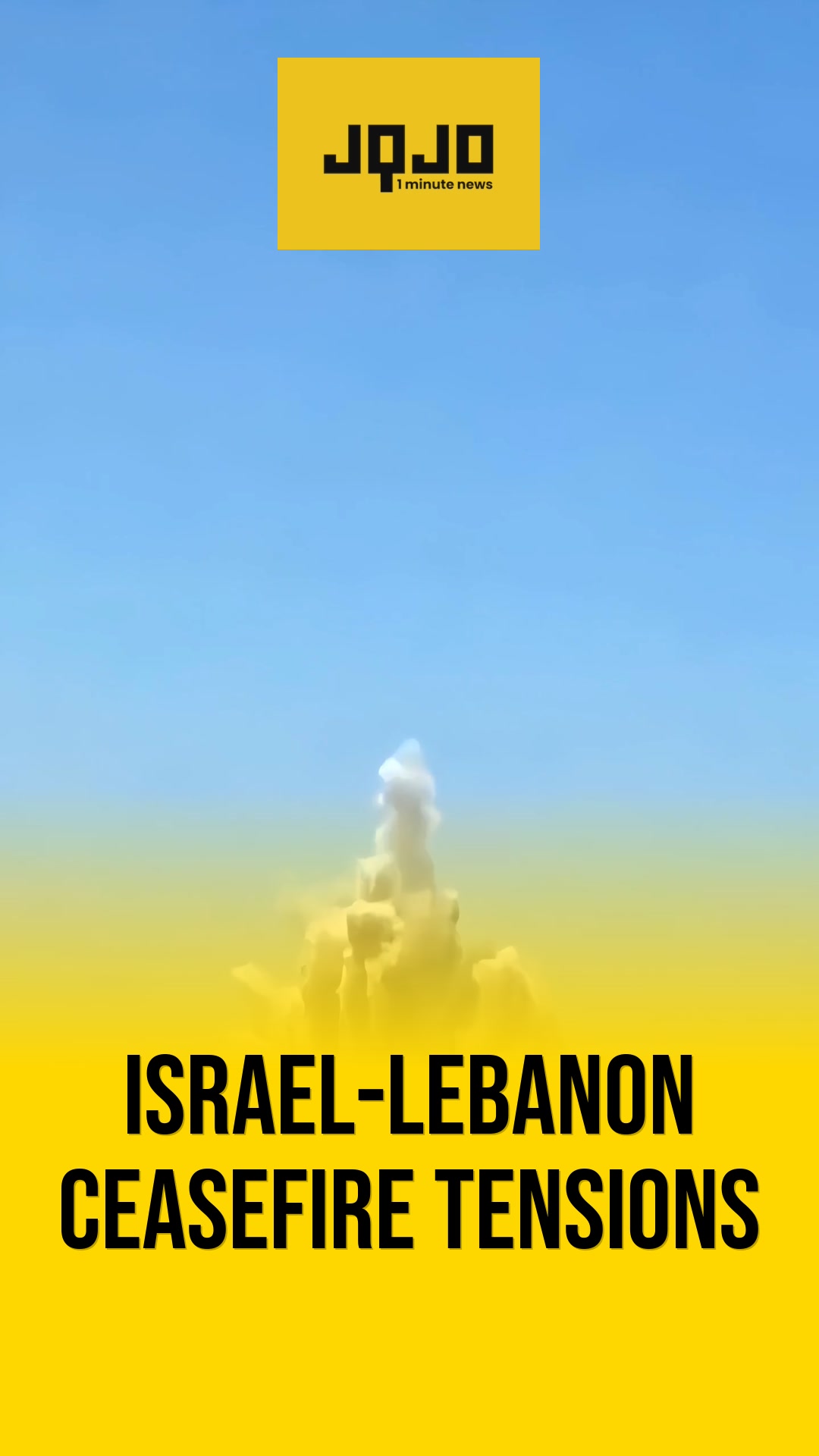
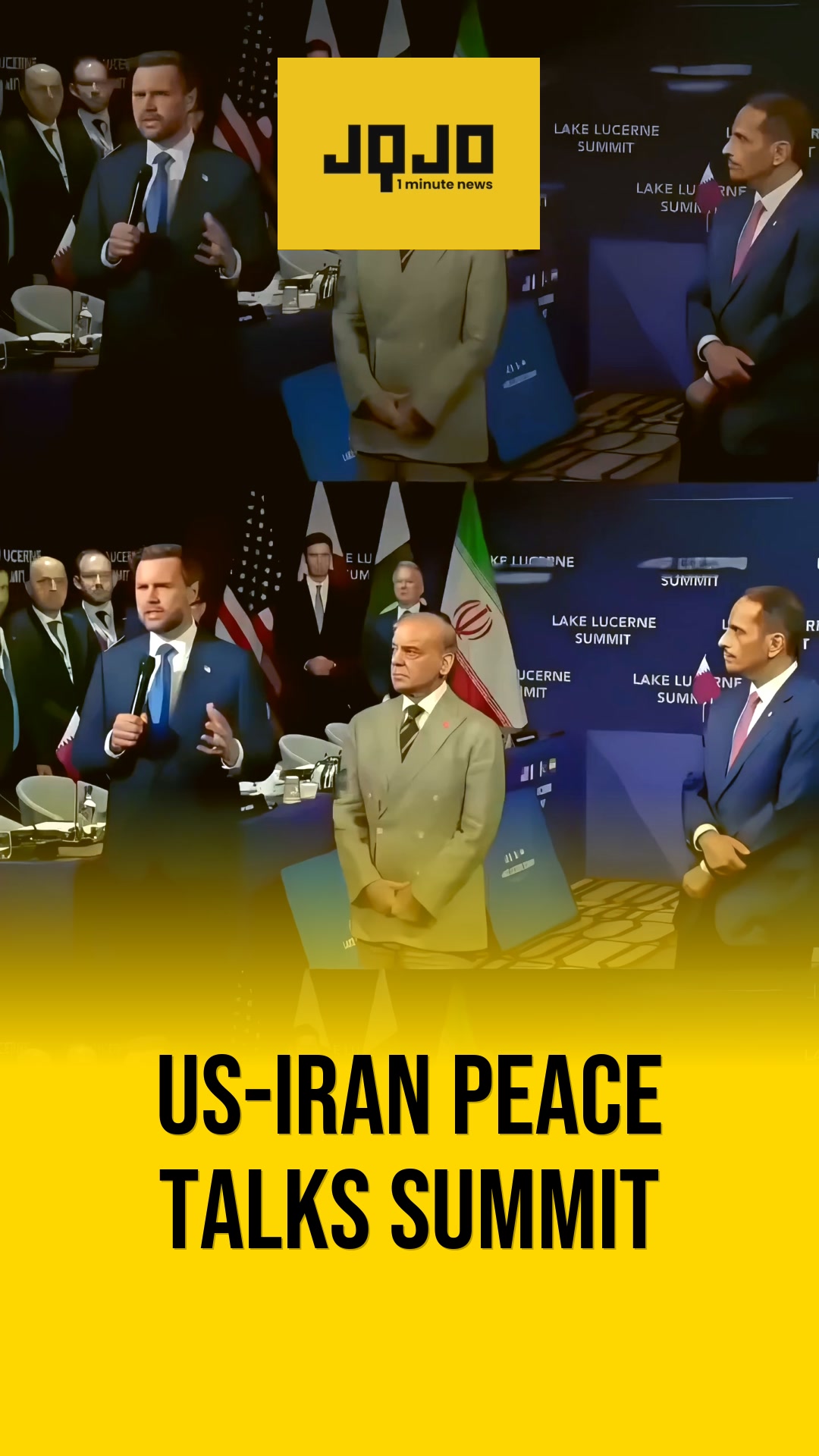
A newly signed memorandum of understanding between the United States and Iran, aimed at ending the ongoing conflict, has encountered immediate implementation challenges after extensive Israeli airstrikes in southern Lebanon. The 14-point agreement was ratified by Iranian Supreme Leader Mojtaba Khamenei despite his reservations about long-term alignment with Washington. On Thursday, June 18, the U.S. Navy halted enforcement of a months-long naval blockade on Iranian ports, allowing oil tankers and commercial ships to transit the Strait of Hormuz, while Iran temporarily suspended transit fees. Planned follow-up negotiations in Switzerland to formalize the deal have been postponed due to the regional escalation.
Prepared by Lauren Mitchell and reviewed by editorial team.
Timeline of Events
- Wednesday The 14-point US-Iran memorandum signed
- Wednesday Supreme Leader Khamenei ratifies agreement
- Thursday June 18 US Navy ends blockade enforcement
- Thursday June 18 Iranian ships depart Strait area
- Thursday June 18 Iran suspends Strait transit charges
- Last 24 hours Israel strikes over 80 Hezbollah positions
- Recently Visual evidence shows widespread village destruction
- Planned this week Switzerland talks postponed amid escalation
Why This Matters to You
This conflict can affect global oil prices. If tensions escalate, you might see a hike at the gas pump. Keep an eye on your local gas prices. Also, this could impact safety for U.S. military personnel in the region.
The Bottom Line
The U.S.-Iran deal is a step towards peace, but it's fragile. Israeli airstrikes have already caused a hiccup. The situation is fluid, and it's unclear when talks will resume. Worth forwarding if you know someone in the military or concerned about gas prices.
- Articles Published:
- 1
- Right Leaning:
- 0
- Left Leaning:
- 0
- Neutral:
- 1
- Distribution:
- Left 0%, Center 100%, Right 0%
Not specified in source.
Not specified in source.
Coverage of Story:
From Left
No left-leaning sources found for this story.
From Right
No right-leaning sources found for this story.





Comments