United States activates World Cup disease surveillance systems
Read, Watch or Listen

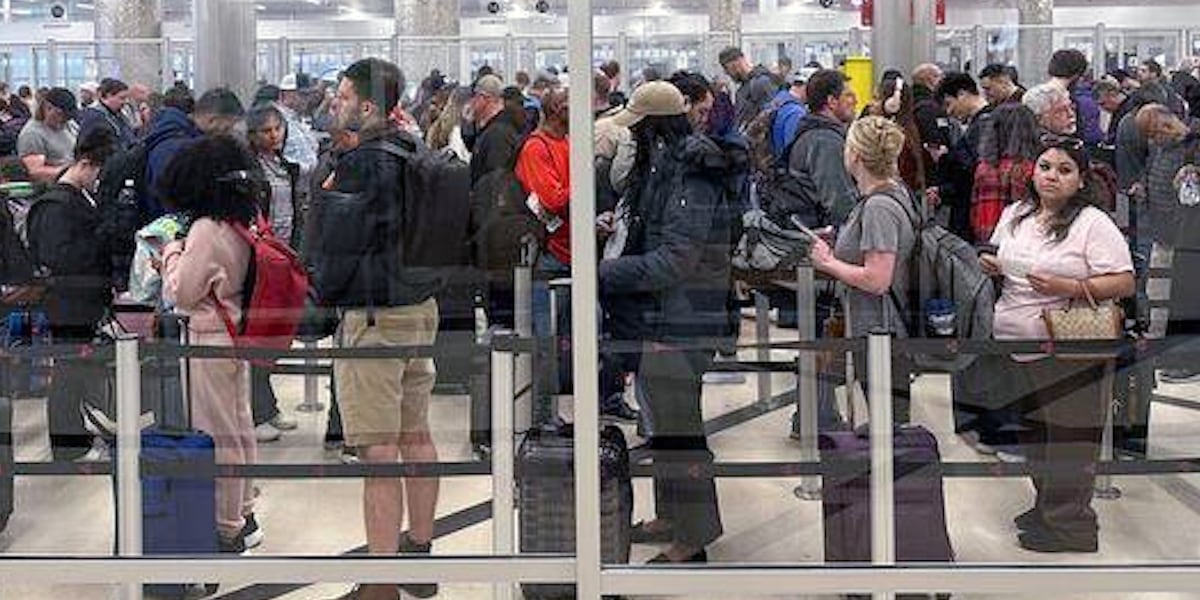
U.S. public health authorities have launched an extensive infectious disease surveillance effort as the 2026 World Cup brings an estimated 6.5 million fans to host cities across the United States, Mexico, and Canada over 39 days. The Centers for Disease Control and Prevention, working with local health departments, is integrating wastewater monitoring, hospital admission data, and digital surveillance to spot early signs of outbreaks. Officials are focused on common highly transmissible infections such as measles, norovirus, and mosquito-borne illnesses including dengue fever. Although the likelihood of rare, high-consequence pathogens like Ebola remains extremely low, hospitals in host cities have completed specialized readiness training to isolate and manage potential cases, aiming to prevent localized infections from spreading into wider community health problems.
Prepared by Olivia Bennett and reviewed by editorial team.
Timeline of Events
- Early 2026 World Cup preparations intensify across North America
- Early 2026 CDC coordinates with local health departments
- Early 2026 Hospitals conduct specialized readiness training
- Mid 2026 Wastewater surveillance networks expanded in hosts
- Mid 2026 Digital surveillance tools calibrated for travelers
- Tournament period 39-day event draws 6.5 million fans
- Tournament period Systems monitor measles, norovirus, dengue
- Tournament period Officials analyze data for outbreak warnings
Why This Matters to You
The World Cup's arrival means a surge of people and potential health risks. The CDC's surveillance effort aims to keep you safe from infectious diseases like measles, norovirus, and dengue fever. Check with your local health department for any updates or precautions to take.
The Bottom Line
Public health authorities are on high alert to prevent disease outbreaks during the World Cup. They're using advanced tools and training to spot early signs and act fast. Worth forwarding if you know someone attending the games.
- Articles Published:
- 1
- Right Leaning:
- 0
- Left Leaning:
- 0
- Neutral:
- 1
- Distribution:
- Left 0%, Center 100%, Right 0%
Not specified in source.
Not specified in source.
Coverage of Story:
From Left
No left-leaning sources found for this story.
From Right
No right-leaning sources found for this story.






Comments